

What Omega-3 Fatty Acids Actually Do For Your Body

We know that dietary fiber works hard for our bodies, and you don't have to be sporty to feel the benefits of potassium, but if you've ever asked yourself: "What the heck is omega-3 and why do I need it?" pull up a chair. Chances are you've seen omega-3 on a margarine label, are vaguely aware that it's good for you, but can't put your finger on exactly why. Let's get into it! Omega-3 is one of three polyunsaturated fatty acids: alpha-linolenic acid, eicosapentaenoic acid, and docosahexaenoic acid. That's more than a mouthful for anyone, so we'll call them ALA, EPA, and DHA.
Without getting too sciencey (and there's a lot), ALA, EPA, and DHA are long chains of carbon, oxygen and hydrogen atoms and, because they are polyunsaturated, they're regarded as a healthier option compared to their saturated fat brethren. Omega-3 is absorbed by our cell membranes and it's essential to how cells work and communicate, with DHA in particular important for our brain and eyes. Studies have found omega-3 has a raft of other benefits, particularly for heart health, as it reduces the amount of fat in our blood known as triglycerides, cuts the risk of stroke, and potentially lowers bad cholesterol levels.
Omega-3 can also reduce the inflammation behind some chronic illnesses, and help people living with high blood pressure, blood sugar, and elevated triglycerides — a condition known as metabolic syndrome. Although many studies have suggested ALA, EPA, and DHA can also be beneficial for a range of other issues including mental health, arthritis, cognitive decline and ADHD, more research is needed to be 100% sure.
Where you can find omega-3, and why too much of a good thing can be bad
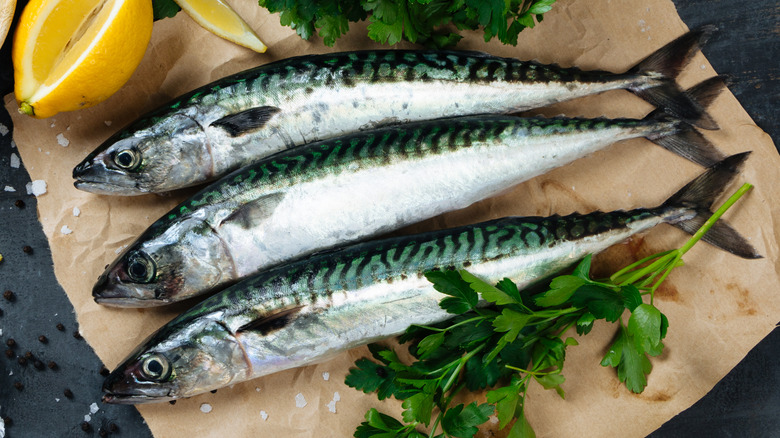
You might feel the urge to stock the pantry to the rafters with omega-3-rich foods after all those health benefits, but you don't need to. The daily recommended amount of omega-3 can vary, depending on your health situation, but the American Heart Association says eating two 3-ounce servings of fatty fish a week gives us the necessary amounts of EPA and DHA. Mackerel has the most, with a hefty 2 grams of omega-3 fatty acids, followed by salmon at 1.7 grams, and herring at 1.3 grams. You could even get 1.2 grams from a generous helping of fresh anchovies scattered on your pizza.
All of which is dandy — but what if you don't or can't eat fish, either through lifestyle choice or concern about mercury levels? Supplements can be useful, but taking more than 5,000 milligrams of omega-3 at best has no discernible health benefit and at worst can cause potentially serious blood problems. Then there's the question of ALA. You didn't think we'd forgotten it, did you?
While EPA and DHA are found in seafood, plants are the main source of ALA. Chia seeds and walnuts contain more omega-3 than salmon, and edamame is packed with it too, likewise flaxseed, canola, and soybean oils. Cook up any of these with the fatty fish of your choice twice a week and you can call your omega-3 requirement good and ticked.