

Smoked Salmon Vs Fresh: Which Contains More Omega-3?
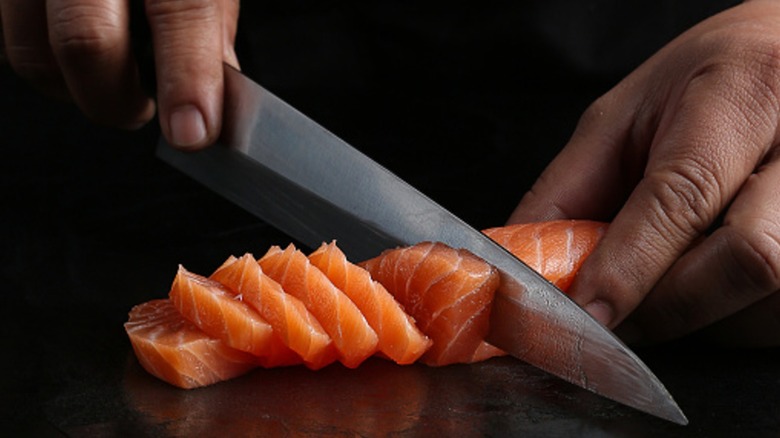
When it comes to increasing the amount of life-giving omega-3 in our diets, we often turn to salmon because it's such a superfood when it comes to nutrients. While there are some foods with more omega-3 than salmon, the list is scant ... and we feel, personally, like salmon is the most delicious option. Since salmon can be enjoyed many, many ways, we stopped to question whether preparation methods can affect the quantity of omega-3s that we enjoy in our fish. Smoked salmon, for instance, is a tremendous favorite among discerning foodies. What has more omega-3 ... smoked or fresh? This can be a complicated issue (more on that in a bit), but, overall, fresh salmon has the most omega-3s as a general rule, at about 0.8 grams per serving.
When we reviewed common mistakes you're probably making when cooking salmon, we may have failed to mention that cooking with high heat tends to lead to fewer omega-3 fatty acids in your meal, because the heat causes fat loss, and omega-3 is contained in fat. Smoking with high heat leads to omega-3 loss overall (by an unspecified amount due to large amounts of variables), but note that cold smoking tends to retain value.
It's worth mentioning that a major con of smoked salmon is its high sodium content. While fresh salmon is low in sodium, smoked salmon contains a lot of it. When looking at an overall nutritional picture that's inclusive of omega-3 content, it seems like fresh (or gently cooked) salmon wins out for health-conscious consumers. That's not to say that smoked salmon isn't a great food! It should also be discussed that nailing down the omega-3 content of salmon is tricky in general, because different types have different nutritional values.
The type of salmon you eat makes a difference
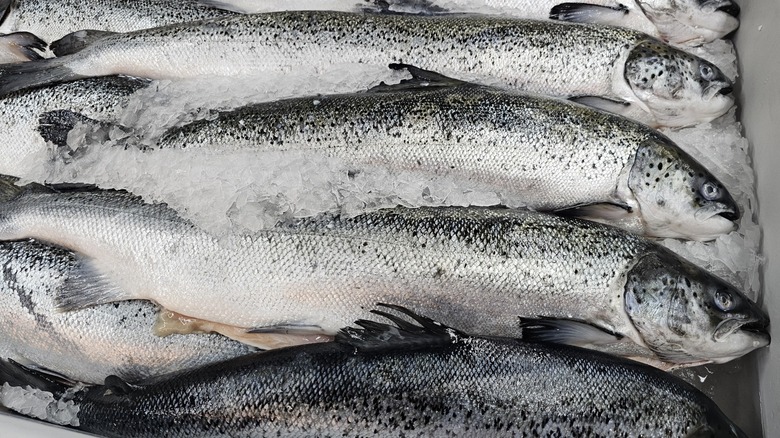
The question of "farm-raised versus wild" is always on the table when it comes to seafood. While experts will quibble over what type of salmon is "better" for you, it's a fact that, overall, farm-raised fish generally is higher in omega-3 content than wild. This has to do with the diet the farmed fish consume over their lifetime, which is higher in fat. But don't get too confident about your knowledge, because the species of salmon you eat also affects omega-3 fatty acids.
King salmon, also known as chinook, is appropriately named when it comes to omega-3 content, because it has the highest amount in wild filets — two whole grams per serving! Sockeye salmon is also particularly high in the good stuff (1.2 grams per serving). On the other hand, keta salmon (also known as "chum" salmon), a cheap fish that some folks avoid, is lower in omega-3. Where your fish is sourced can also make a difference. Alaskan sockeye salmon, for instance, is very high in omega-3 fatty acids because the colder the water in which fish live, the higher the fat content. As you can see, there isn't one clear answer when it comes to the "best" salmon for omega-3.
Overall, salmon is a great choice for those looking to up their dietary omega-3, no matter how you slice it ... or, rather, cook it. Even smoked salmon, which can be lower in this nutrient than fresh varieties, is still a great food when eaten in moderation to account for added sodium. When it comes to omega-3, salmon is near the top of the heap, and all the small details may just be gilding the lily.