

13 Unique Heirloom Peppers You Need To Plant In Your Garden ASAP
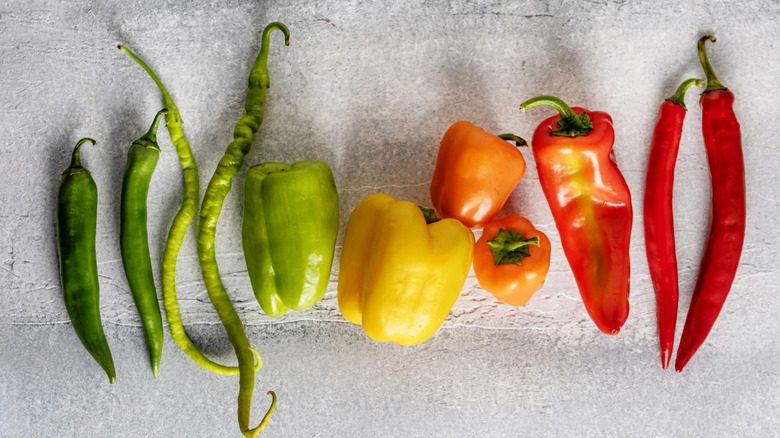
With a bit of effort, peppers can be just as easy to grow as tomatoes for the novice gardener, and mine always provide a steady supply of sweet and spicy veggies. But if you're looking to shake things up a bit, opting for an heirloom pepper is a great way to go. These are plants whose varieties are at least 50 years old, with seeds handed down through the generations like some sort of culinary Holy Grail. Heirloom varieties are often bred in specific regions, so finding a pepper plant that matches your local environment will ensure you get the best out of it — though be aware that harvests can be more erratic than what you get from hybrid species.
That said, there are lots of heirloom peppers out there, offering a delightful variety of shapes, colors, and flavors. Some of them pack plenty of heat, while others barely make a ripple on the Scoville scale, but they will all happily grow in your vegetable plot. If you want your heirloom peppers to be the envy of your neighbors, make sure to put them next to these companion plants.
Aji Charapita chilli pepper
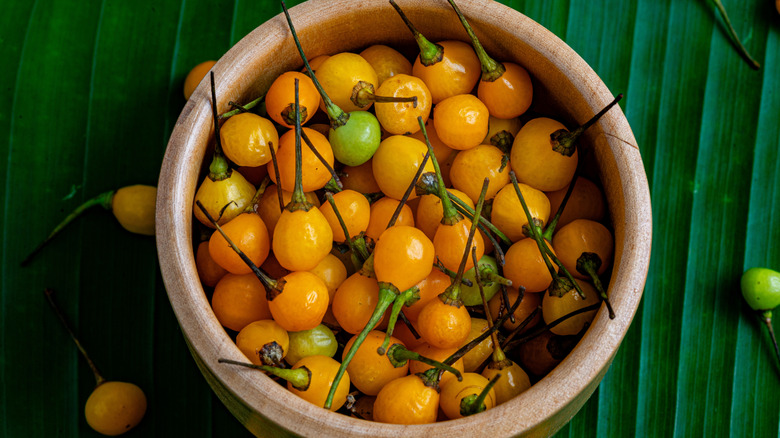
This Amazonian fruit looks more like a berry than a pepper, but don't discount its impact. This pepper is tiny but mighty when it comes to flavor, delivering a sweet yet spicy taste with habanero-like levels of heat. Aji charapita pepper plants are small and bushy, do well in partial shade, and you can start picking your peppers 70 to 110 days after planting. Aji charapita peppers planted in pots can be overwintered indoors, while some home cooks grow them like houseplants.
Alma paprika pepper
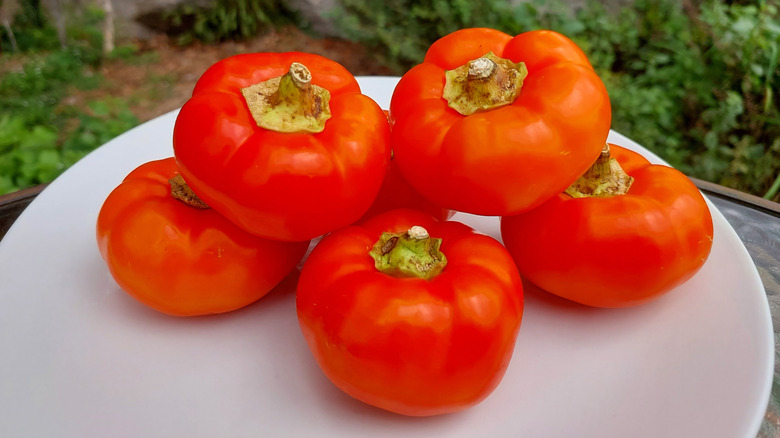
If a pumpkin and a persimmon got together and had a baby, it would look like the alma paprika. This cute, mild, squat pepper is popular in Hungary, where it is turned into paprika (one of several varieties out there). They are also brilliant for newbie growers. If you're short on space, there's even more good news! The alma paprika pepper only grows to around 3 feet, while the fruit starts to appear after around 70 and 79 days. Dry 'em, grind 'em, and make oodles of your own spice.
Padrón pepper
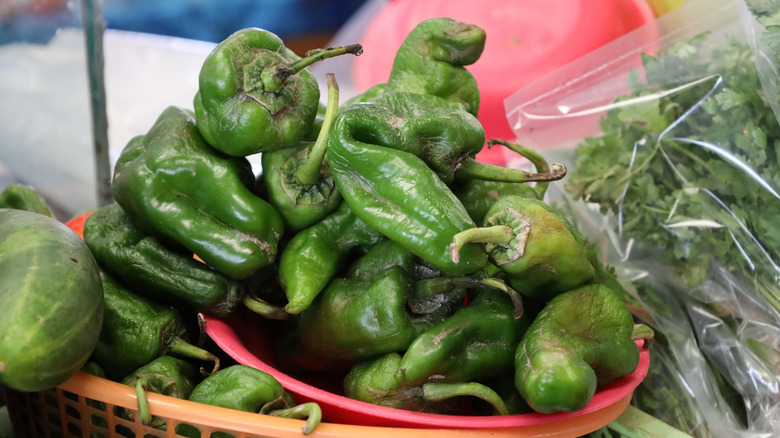
With origins in Spain, you might have seen these thin-skinned, feisty green peppers served as tapas. If you prefer your peppers on the hotter side, let them ripen to red and relish the spicy hit. Padrón peppers are great for gardeners in a hurry, as they're an early heirloom variety that flowers and fruits for several weeks. Be aware they're hungry plants, though, so use this fertilizer for maximum pepper bounty!
Goat Horn pepper
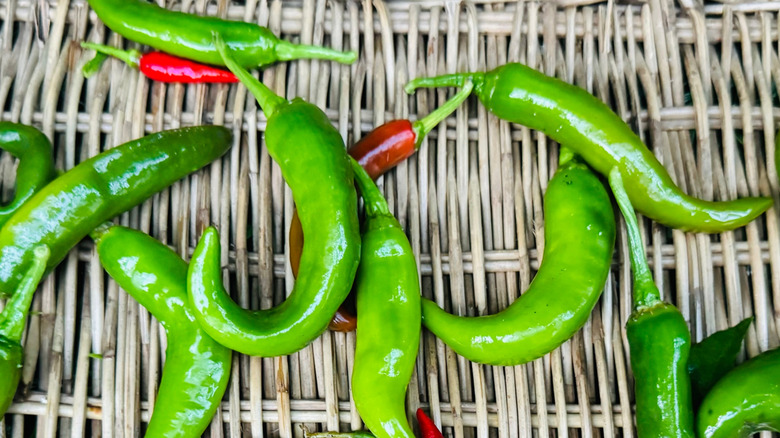
In Turkey, where this rare heirloom pepper originated, it's called keçi boynuzu, but if you can't pronounce that reliably, just call it hot! These cayenne-type fruits start off yellow or green but slowly turn a striking red. Many are long and thin, but they can also curl around — hence their name. Goat horn peppers need full sun and well-drained, rich soil, though you can start them off indoors in the winter months. The plants germinate in 14 to 28 days, but harvesting runs from 60 to 210 days.
Datil pepper
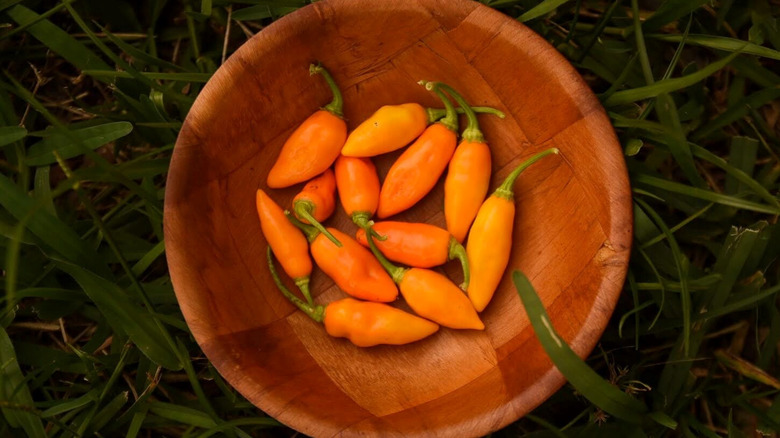
If you live or have eaten in Florida's St. Augustine neck of the woods, you'll likely already be familiar with the fruity fire of the iconic datil pepper. A long-guarded secret among the local Minorcan community, its heat ranges from 100,000 to 300,000 Scoville heat units, while the fruit turns from green to a vivid yellow-orange when fully ripe. Datil peppers are easy to grow, too. The small, bushy plant that prefers hot, humid conditions and reaches maturity in around 90 days.
Carliston banana pepper
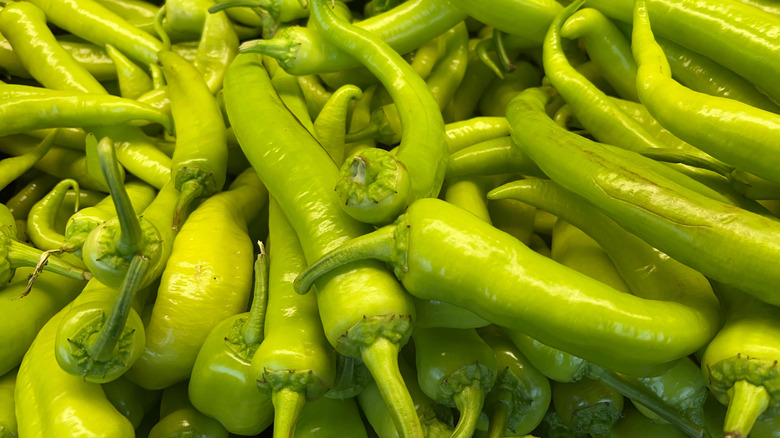
We have the Atatürk Central Horticultural Research Institute in Turkey to thank for this heirloom banana pepper variety. Growers claim it produces more sweet-yet-tart fruit than some American varieties of banana pepper, while it can be harvested around 75 days after the seedlings are popped into the ground. If you've planted some cucumbers for pickling, Carliston banana peppers (which are a popular pizza topping) make for delicious pickles too.
Biquinho pepper
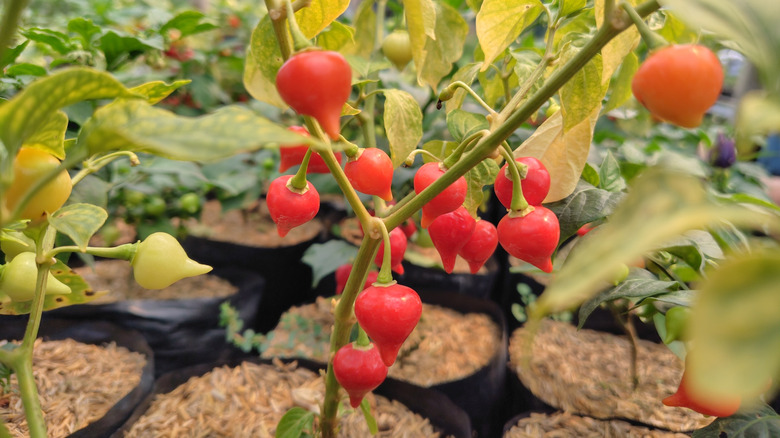
Some culinary mavens already know that Brazil's biquinho heirloom peppers can be referred to as "Sweety Drops" or "Little Beak" ... but whatever you call them, they're delicious. Despite being related to some of the world's hottest peppers, these small, teardrop-shaped fruits are among the mildest you can grow. They do prefer growing outside rather than under lights and require full sun and consistent watering. Get all that right, and you will be rewarded with hundreds of peppers that are delicious in salads, sauces, and as bite-sized snacks.
Habanada
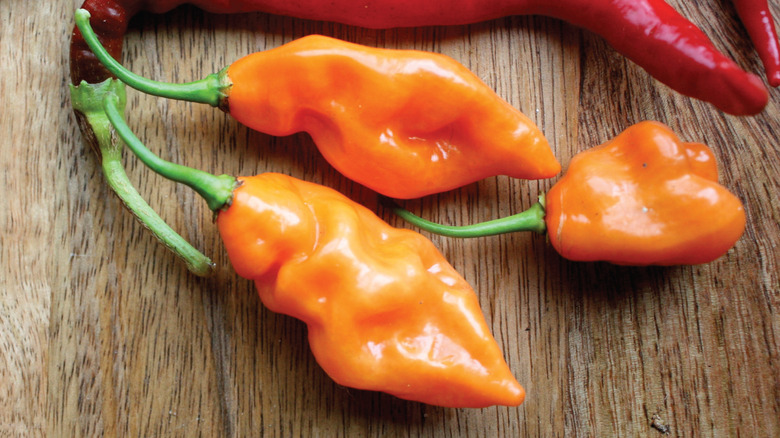
If you want all the flavor of a habanero pepper but can't handle the heat, the habanada rare heirloom variety will be your bag. Created at Cornell University, it has all the complexity of a habanero with zero heat, delighting millions of home cooks trying to get more produce on their kids' plates. Habanada peppers have gorgeous foliage and vivid orange fruit that's ready to pick after around 100 days. It's happy nearly everywhere, from a traditional plot to a perennial border or container, as long as there's lots of sun and the soil drains well.
Mad Hatter pepper
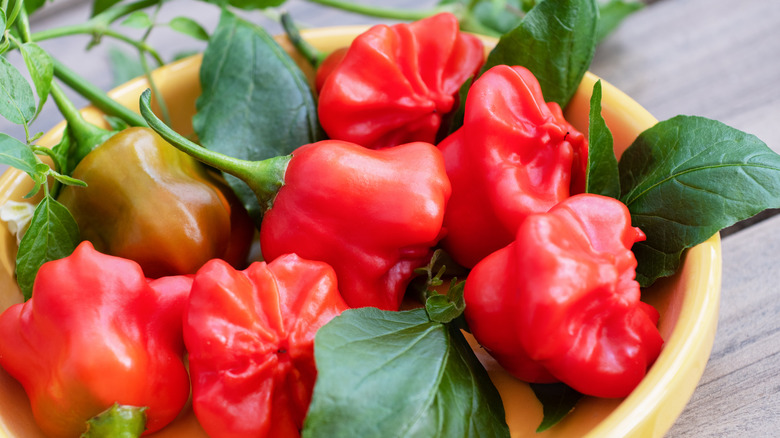
"They make beautiful flower shapes that look great on top of salads," enthused one Mad Hatter pepper grower on Reddit, and they're right! These peppers are citrusy and sweet, rather than spicy, and gardeners love them for being ridiculously easy to grow. The plants are often described as vigorous, producing lots (and lots) of funky-shaped peppers, said to look like the hats worn during the American Revolution.
Jigsaw pepper
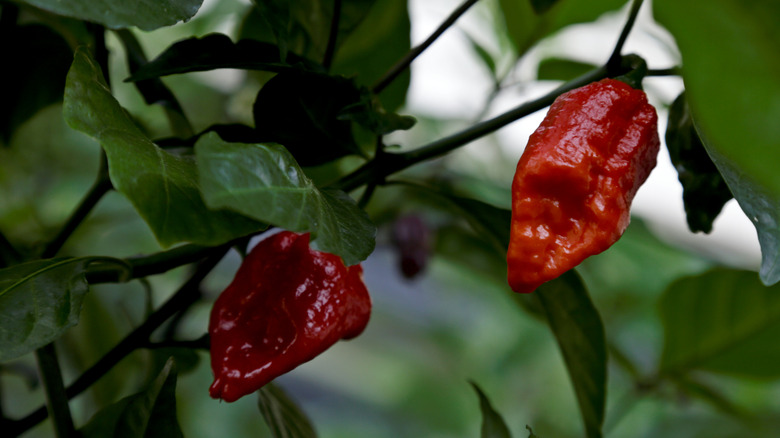
Jigsaw peppers look as good as they taste, with gorgeous variegated leaves and deep purple fruit that turns red as they mature and pack a heat punch. They're another heirloom variety that's great for smaller plots or container growing, as they're small and bushy, adding color to a dull border or a patio. Seeds germinate in around 10 to 14 days (they'll take longer if it's colder), and like most peppers, they need rich, well-drained soil. After around 90 days, you'll be inundated with peppers that get hotter as they get older.
Macedonian rezha pepper
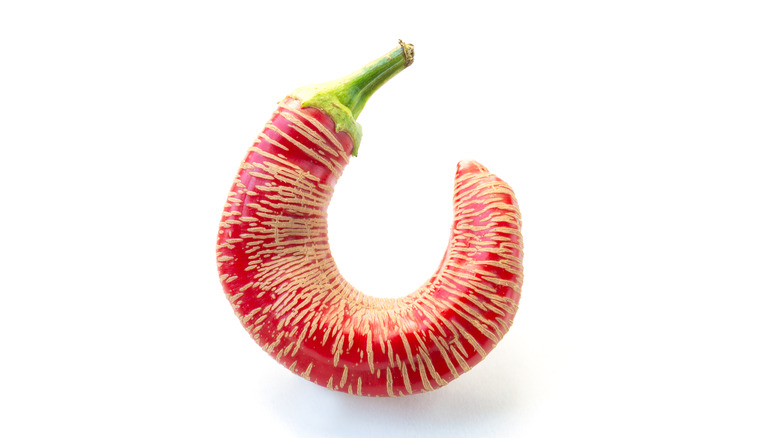
You could be forgiven for thinking peppers from this ancient variety are past their best, but it's all part of the look, as their name "rezha" means "engraved." Seeds for Macedonian rezhas do fine started in a warm greenhouse, preferring to be transplanted to loose soil that gets plenty of sun but is sheltered from the wind. The ripe fruit can be picked after around 75 days, has a delicious smoky flavor, and has a heat level that would sit between a jalapeno and a cayenne pepper.
Fish pepper
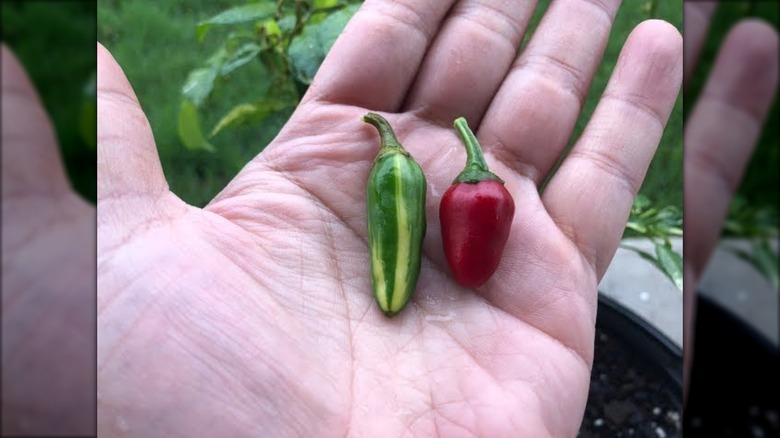
With a history dating back to the 19th century and Caribbean roots, fish peppers bring medium amounts of heat and lots of color. They work well as ornamental plants, thanks to their variegated leaves and cone-shaped fruit, which turns from green and orange with white stripes to a fiery red. Fish pepper plants grow to around 30 inches high, going from seedlings (remove any white ones — they can't photosynthesize) to mature plants in 80 days, as long as you don't plant them too deeply.
Sugar rush peach pepper
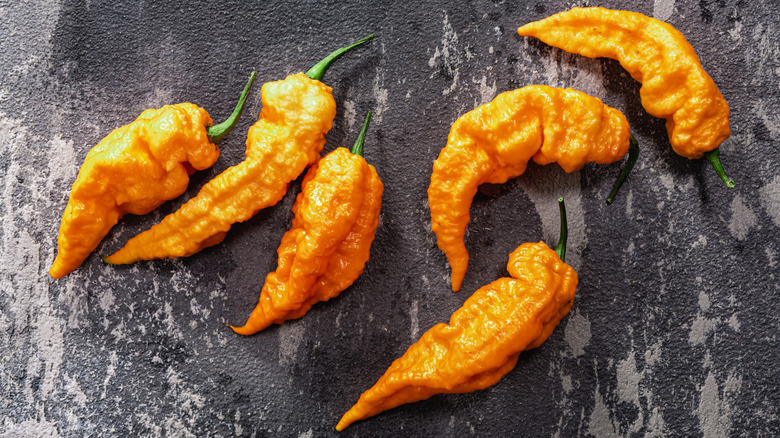
Gardening accidents happen, so we're told, and one of the happiest may be this gorgeous peach-colored pepper, created via cross-pollination in Wales. Although it's an early variety, sugar rush peach peppers need lots of sun exposure (and even a little shade in really warm zones) and are relatively slow growers, taking 120 days to reach full maturity. They're worth the wait, as these peppers combine near-tropical sweetness with a smoky kind of heat.