

Add This To Your Tomato Garden To Help Them Grow Bigger And Stronger
We may receive a commission on purchases made from links.
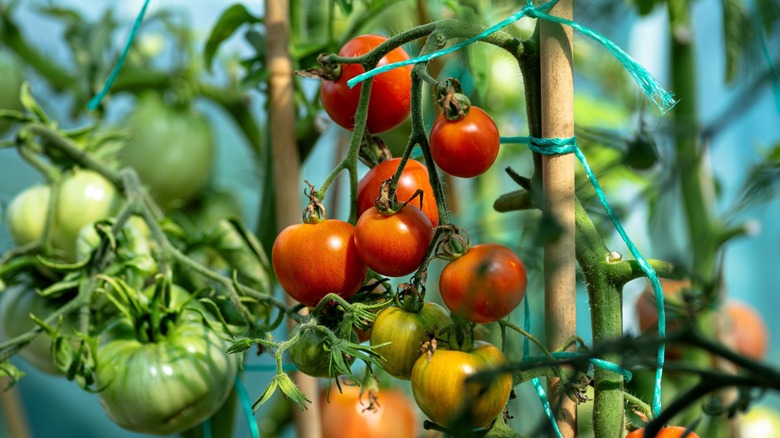
When you find out how many tomatoes Americans eat per year, it starts to make sense why we're obsessed with tips and tricks for growing more, better toms. We know all about the best fertilizer for gardening tomato plants and the art of companion planting, but here's an aspect that we hadn't considered until now: pollinators, and, specifically, bumblebees. Bumblebees should be considered essential to your vegetable garden, because nothing is quite as effective at fertilizing tomatoes as bumblebees' "buzz pollination" method. Gardeners with an active bumblebee presence in their gardens report scores of larger, healthier tomatoes — and that's why you should add a bumblebee nest to your garden scheme ASAP.
Left to their own devices, bumblebee queens will nest in areas of the garden that might be considered "messy" — leafy overgrowth, rodent warrens, upside-down pots, and/or rotting logs. It can be tricky to construct a ready-made nest that will tempt a picky queen bee, but you'll start off on the right foot by purchasing a ready-made nest that's a lot cuter than an old rabbit hole and already contains some of the material that bumblebees need to thrive. We like this top-rated wax-coated "bee hotel" by POLLIBEE that's set in an attractive wooden box. It's very visible and noticeable to bumblebee queens, which is a major point in its favor. Furthermore, you can place the bumblebee nest nice and close to your growing tomatoes to encourage bumblebees to visit your vines, which is a better bet for big, juicy fruit than even the hack for growing tomatoes in which you flick flowers for pollination.
Make sure bumblebees love your garden
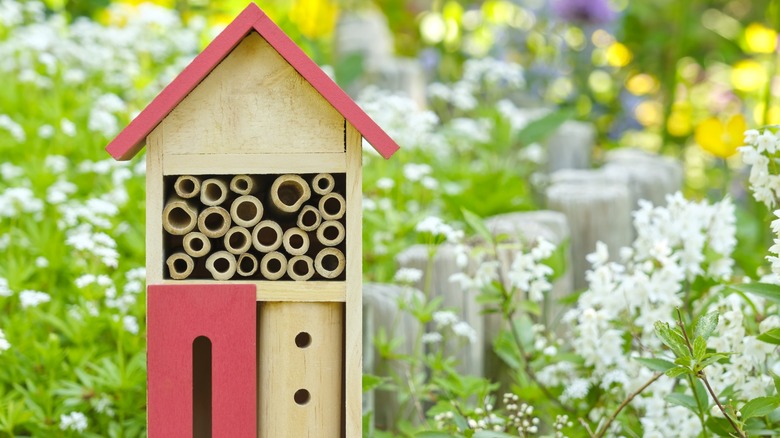
We've covered the fact that, to attract pollinating bumblebees, you can (and should!) situate a bumblebee nest in your garden ... but, as is the case with humans, what good is a fancy new home without amenities? There are some clever, easy steps you can take to make sure bumblebees love your garden and want to stick around beyond just building them a nest. First of all, you need to know what type(s) of bumblebees are native to your area. Some species of bumblebees have shorter tongues or longer tongues, and that impacts the plants you add to your garden to tempt them.
Bumblebees love flowers, especially brightly-colored ones. Planting flowers alongside your tomatoes not only adds pops of prettiness to your garden bed, but these flowers are worthy companion plants for tomatoes because they attract and feed bumblebees that go on to fertilize said tomatoes. Phlox, primrose, hydrangea, and sunflowers are just a few examples of flowers that you can seasonally plant to make bumblebees happy.
Shallow dishes of water and swearing off chemical pesticides are two other ways to keep your garden beds bee-friendly: bees love having something to drink, and they are endangered by harsh chemicals. With a little strategic planning and a cute, effective bumblebee nest, you can make a happy home for bumblebees who will return the favor by ensuring your tomatoes grow huge and juicy!