

The Best Part Of Your Yard To Plant Peppers For Maximum Growth
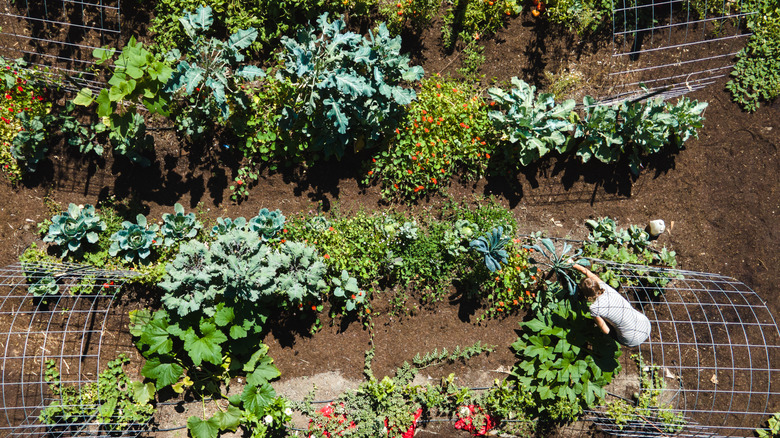
I grow peppers from seed in a container, neatly sidestepping one of the most important factors to consider with these veggies: where you plant them in your yard. Although rotating tomato crops isn't always a good idea, when it comes to peppers it can be a necessity. Peppers are part of the nightshade or Solanaceae family, which also includes potatoes, tomatoes, tomatillos, and eggplants. You want to plant them somewhere that other nightshade plants haven't been planted for the last three or four years. Why? A particular quirk of this veggie clan is they are not only prone to blight, but they also act as hosts for pathogens which hang around in the soil long after your peppers have been pulled.
Experienced gardeners know there are almost as many pepper-growing pitfalls as there are tricks to avoid them. That's why erring on the side of caution and finding a previously unused corner of your yard avoids putting your peppers in contaminated soil, giving them the best chance of growing, untouched by disease. They will flourish if you plant them next to this tasty legume, and come harvest time, you'll have armfuls of sweet, juicy, and spicy peppers (especially if you used this clever watering trick) to chop into a salad, add to a shakshuka, or place atop your cookout burgers for a taste of summer sunshine.
Other issues to consider when scouting pepper planting locations
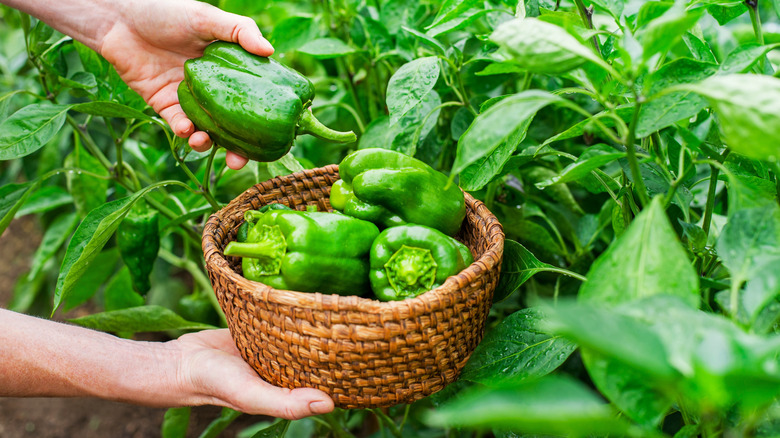
I'm at the "so far, so good," stage of pepper growth, where there are lots of leaves but no sign of any flowers or fruit. A good feed with this fertilizer will help them thrive, as will their location — they sit pretty in a spot that is drenched in direct sunlight. If you don't have a greenhouse, then you need to find your warmest, sunniest part of your yard and make that your peppers' des res. If you try to grow peppers with minimal sun exposure, the size and flavor of your veggies will be all the poorer for it.
Gardeners living in a cooler zone who want to grow peppers outside should plant them closer than 18 inches apart — they'll huddle together for warmth! Young pepper plants are also not big fans of the wind as they're susceptible to breaking, so if your yard allows, find a sheltered spot where they won't be buffeted or damaged.
When your fruit finally starts to burst forth, that's the time to keep an eye on those sun exposure levels. My first-ever batch of peppers suffered terrible sunburn (it can look as if they are rotting on the vine) and I was devastated. If they're not in a container and can't be moved into a shadier section of your yard, make sure the fruit is protected either by the plant's own leaves or from other nearby species.