

7 Foods With More Magnesium Than An Avocado
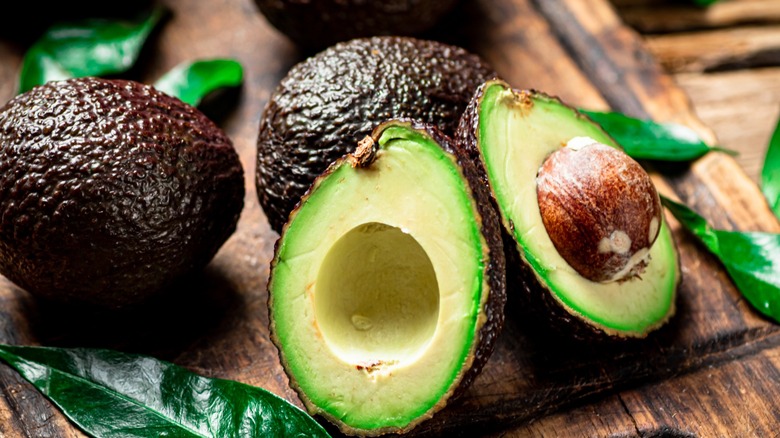
Avocado is an interesting type of fruit that's packed with nutrition. The vitamin E content of avos might have you reaching for extra guac, for instance, and that's to say nothing of the bountiful healthy fats contained within that scaly skin. Magnesium is another nutrient that's found plentifully in avocados — to wit, one medium fruit contains 58 milligrams, or 14% of the daily value for most adults.
You need magnesium in your diet, as this mineral is responsible for over 300 biochemical reactions throughout your body and has a role in the health of your nerves, muscles, and bones. It also plays a part in controlling your blood sugar. Magnesium deficiency is associated with a higher risk of heart disease, osteoporosis, and diabetes, and can cause symptoms like headaches, fatigue, and weakness.
Luckily, there's no reason to fall short in magnesium when so many wholesome, versatile foods are packed in it ... more than avocados, even! Odds are that you can find at least one food you love on this generous list of magnesium-rich ingredients that will nourish your body and tempt your tastebuds. We're firm believers in the idea that healthy foods shouldn't be a chore. The foods on this list will inspire your culinary creativity while (along with other nutrients) helping your body tick along like well-oiled clockwork.
Dark chocolate

There are several types of chocolate, all with different uses, but when it comes to loading magnesium, we reach for the stuff with high cocoa content. One ounce of dark chocolate containing 70 to 85% cocoa has an impressive 64 milligrams of magnesium. You officially have permission to eat dessert first, since a couple squares of high-quality chocolate are rich enough to feel like a real treat and will do your body a favor at the same time. Or bake that chocolate into cookies next time you're feeling a snack attack coming on!
Pumpkin seeds
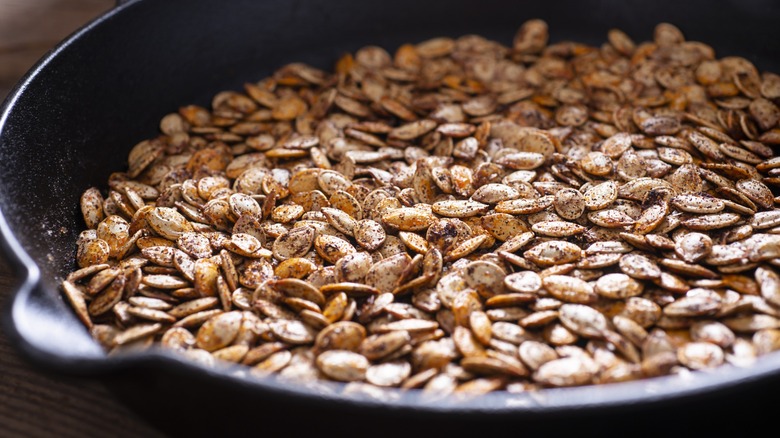
There's a reason we eat candy on Halloween, but dare we suggest that you replace some of the sweets with the roasted seeds of your festive jack-o'-lantern? A one-ounce serving of these seeds, also known as pepitas, have 40% of your daily magnesium value — 168 milligrams! You can buy the seeds already roasted and shelled from the grocery store or take a DIY approach, since pumpkin seeds are almost as fun to season and cook as they are to munch. A personal fave of ours? Roasting pepitas with lime juice and Tajín seasoning for a chili-riffic kick!
Black beans
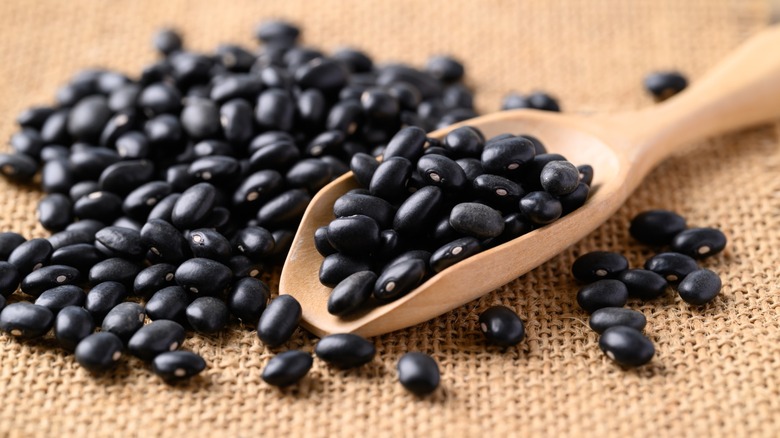
Legumes are high in magnesium overall, but consider black beans to be the family overachiever: half a cup of boiled beans contains 60 milligrams! We love black beans in a nutritious soup with tons of ways to dress it up, but never confuse eating beans for a bland, boring prospect. For a fun, nutritious boost to Taco Tuesday, for instance, invite canned black beans to the fiesta, since they can be used to make refried beans. Or use that dark chocolate we mentioned earlier and bake some fudgy, indulgent flourless black bean brownies.
Spinach
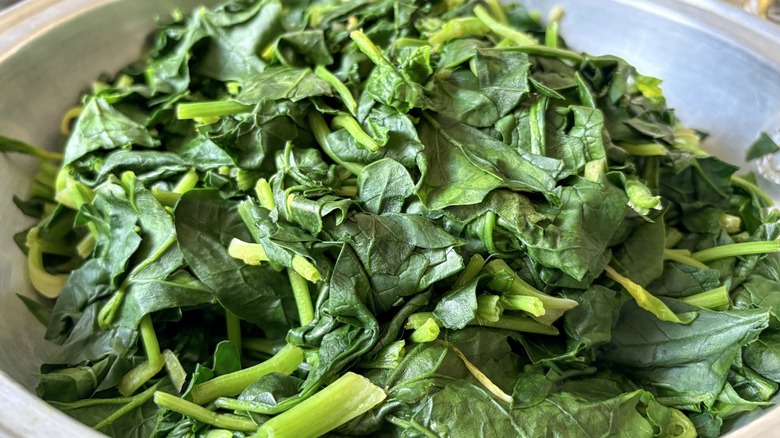
With 158 milligrams, or 37% of your daily value, in one cup of cooked spinach, it's hard to imagine a better green to adorn your plate when magnesium is on the line. It's also one of the easiest greens to whip up for dinner, because all it requires are a couple of minutes in a saute pan to wilt deliciously. Some olive oil and a sprinkle of salt are all you need to make spinach shine. Fun bonus fact: you can store spinach in your salad spinner to make it last longer.
Brown rice
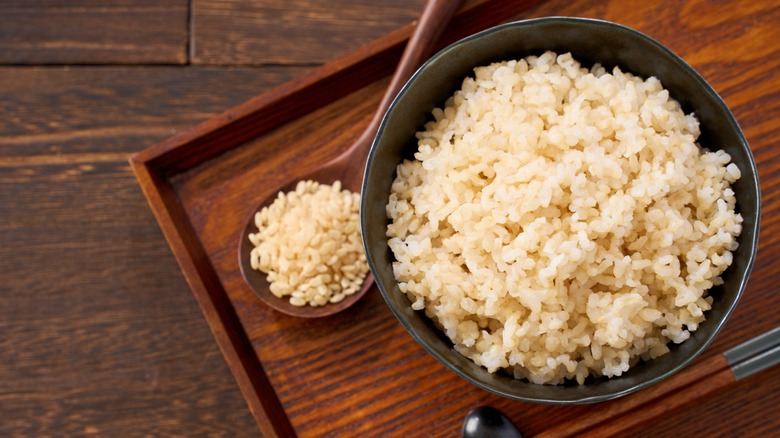
The difference between white and brown rice has to do with processing, and the latter grain has a very special nutritional holdover: a relatively high amount of magnesium. Half a cup of cooked brown rice delivers 72 milligrams of magnesium, along with a delicious boost of complex carbs. Rice is a comfort food in many cultures and there's a vast galaxy of ways to prepare it, ensuring that you will practically never run out if inspiration for plating this mag superstar. It swaps 1:1 in many applications that utilize white rice, while adding complex, nutty flavor.
Chia seeds
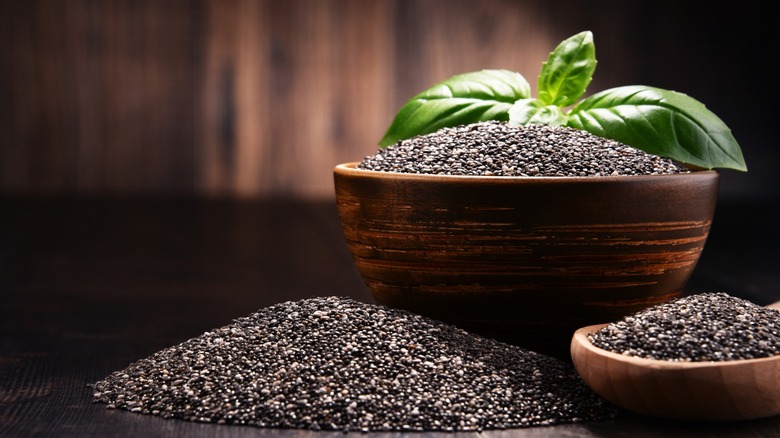
One ounce of chia seeds contain a whopping 111 milligrams of magnesium. It's hard to say if there's a bad way to consume chia seeds, which tend to improve most foods from smoothies to overnight oats to acai bowls. You can add chia seeds easily to drinks, for instance — the result will taste better and be more nutritious! You can mix a chia "egg" to substitute for the kind from chickens, or simply sprinkle some seeds on your avo toast. Its ability to slip seamlessly into many foods makes chia seed a strong candidate for the easiest method of loading magnesium.
Buckwheat
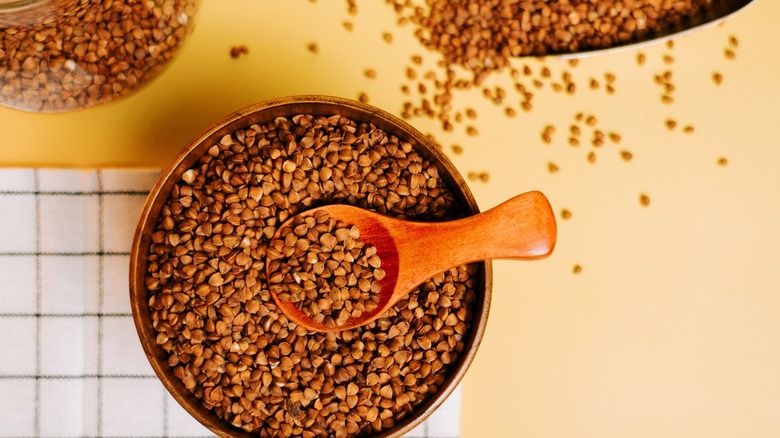
Buckwheat in pancakes is a simple ingredient swap that promises high fiber, but this pseudocereal is also a magnesium powerhouse. One cup of cooked buckwheat groats contain 86 milligrams of magnesium, or 20% of your daily value. If you don't fancy the taste or texture of whole buckwheat, you can easily swap buckwheat "flour" for wheat flour for a tasty, gluten-free spin on your favorite baked goods (though the result is likely to be more dense). Imagine cookies and bars that nourish your body while appeasing your sweet tooth! Japanese soba noodles are also traditionally made with buckwheat, so pass the sesame oil and soy sauce!