

Will Putting Pennies In Your Potted Veggies Really Help Them Grow Bigger?
We may receive a commission on purchases made from links.
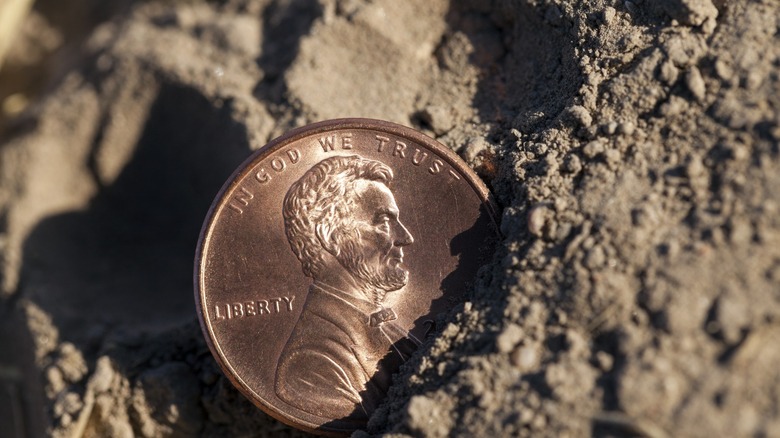
Growing veggies in containers is a favorite hack for space-efficient gardening ... we've discussed a key rule to remember when it comes to growing tomatoes in pots, for instance. Those who really dig into gardening lore might have heard that putting pennies in the soil of your potted plants will help them thrive. Allegedly, the copper in the pennies is a source of needed micronutrients that are the secret to your plant really taking off, while also allegedly preventing blight, repelling pests, and all sorts of other benefits. Is there truth to these big claims? Sadly ... not really.
First of all, it's been many years since American or Canadian pennies (the latter of which have not been pressed in over 10 years!) were actually made of real copper. Most latter-day pennies are zinc with only a thin copper outer layer. Furthermore, plants can't absorb copper from pennies placed in the soil. The copper must be transmitted in an acidic medium. There is, in fact, no appreciable benefit from pennies in the soil, and no proof that they will make your plants produce bigger or more bountiful yields. Worrying about how often to water your veggie garden and using the right kind of fertilizer are better ways to grow big, healthy veggies.
Copper does help plants, but getting it in your soil isn't that easy
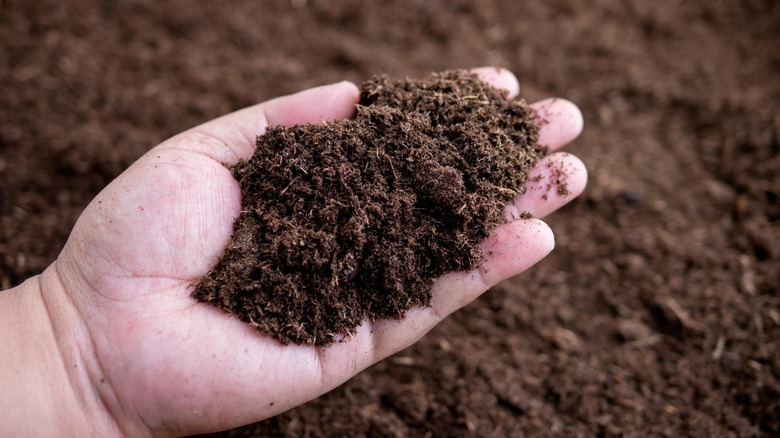
All plants need copper to grow — it is, in fact, an essential micronutrient. Some veggies in your garden are actually considered heavy feeders when it comes to copper, such as beets, onions, spinach, and tomatoes. But adding copper to your garden isn't as easy as sprinkling coffee grounds in your vegetable garden as fertilizer. Copper sulfate is used in certain applications for supplementing this element in soil, but you need to be careful, as copper toxicity can happen rather easily if you don't know what you're doing. Furthermore, different minerals in the soil affect the uptake of copper, so your so-called "copper deficiency" may actually be the symptom of another shortage.
You can see signs of copper deficiency in your plants if they wilt or produce fewer fruits. Leaves may also turn a characteristic blueish-green. Unfortunately, it's very easy to mistake other illnesses or deficiencies when it comes to copper shortages in your soil. The absolute best move is to perform a soil test on your garden to determine what, exactly, is missing — if anything at all. Customers tend to leave good reviews on the MySoil Test Kit, which has a mail-in component that gives results in six- to eight days. It's always better to test your soil before fertilizing blindly, as you can make more educated decisions about your garden's wellbeing ... and you need not waste any pennies in the process!