

Complete Vs Incomplete Proteins: Debunking The Myth About These Foods
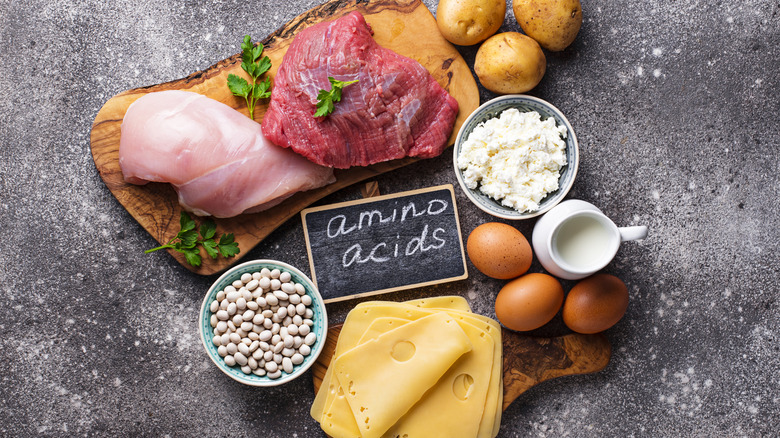
For decades, experts insisted vegetarians and vegans were missing out on important amino acids because many plant-based foods had fewer of them and were labeled "incomplete." Turns out that's largely hooey. Researchers have since found practically no evidence of any deficiencies among vegetarians in Western countries (via Nutrients). So where did this persistent myth come from?
It began in the 1950s, when biochemist William C. Rose concluded that eight amino acids — phenylalanine, isoleucine, methionine, leucine, lysine, threonine, valine, and tryptophan — were necessary for human growth. With the addition of histidine, that number has since grown to nine. We can't make these essential amino acids (EAAs) on our own, so we get them from food, which is where the nutritional waters get a little muddy. As well as identifying the EAAs, Rose also set minimum daily amounts for adults, ranging from 0.25 grams to 1.1 grams — then doubled them to ensure we got all the amino acids we needed.
The problems started with plant protein sources that were low in or missing certain amino acids and were deemed incomplete compared to animal-based foods with more or all EAAs. The prevailing thinking was vegetarians' and vegans' health would suffer for the lack. However, a properly varied diet gives plant-based foodies all the amino acids they need and more. Today, the World Health Organization recommends 0.75 grams per kilogram of body weight per day of amino acids. But which ones regularly make it to your table?
Meat
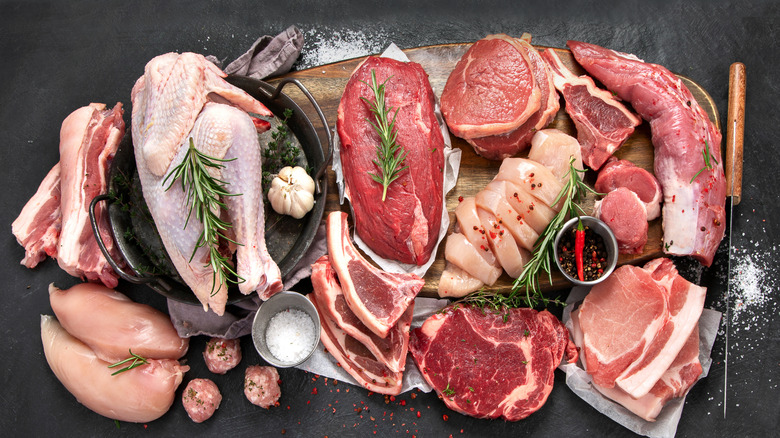
Carnivores assemble! Meat protein is a one-stop shop for all your amino acid requirements, whether that's the perfect cut of beef for a chicken fried steak or a juicy set of pork ribs. Health experts recommend going easy on fattier red meat for the sake of our hearts, but extra-lean cuts of beef, as well as chicken and turkey, will all deliver on the amino acids as well as the flavor front.
Fish
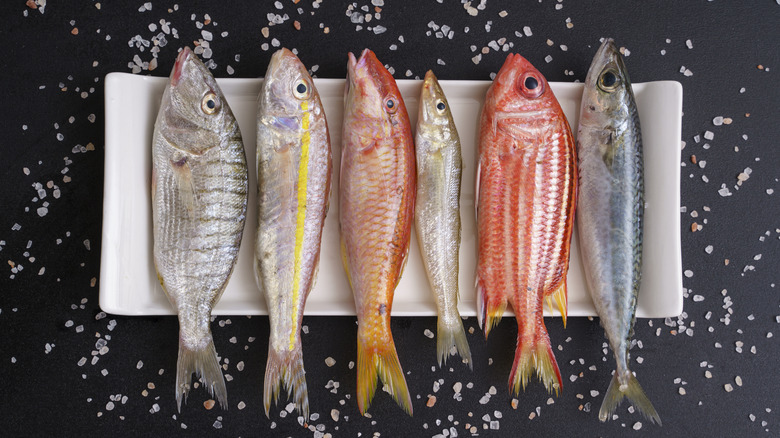
There's no stopping the march of time, but there are lots of foods with bags of nutrition for older people. Fish and shellfish are among the best sources of healthy protein, and as well as serving up hefty amounts of omega-3 fatty acids, you'll get all your essential amino acids in every mouthful. Want to boost your B vitamins too? Cook up a bowl of these lil' guys!
Dairy
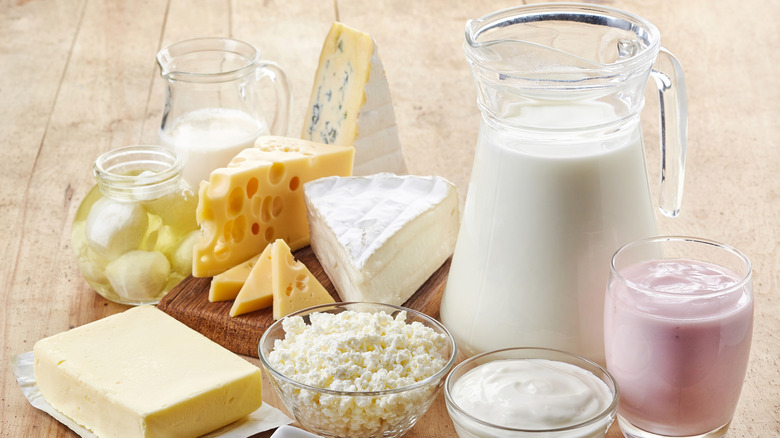
If the likes of Harrison Ford or Rihanna sporting a white mustache for the Got Milk? ads didn't get you into dairy, maybe the fact that cow's milk, as well as cheese and yogurt, are complete proteins will. Although most plant-based milks have fewer EAAs than their dairy equivalents, it's still a misnomer to label them as "incomplete proteins." Any amino acid shortfalls can be made up with other foods, while brands are seeking innovative ways to boost the EEA content.
Soy
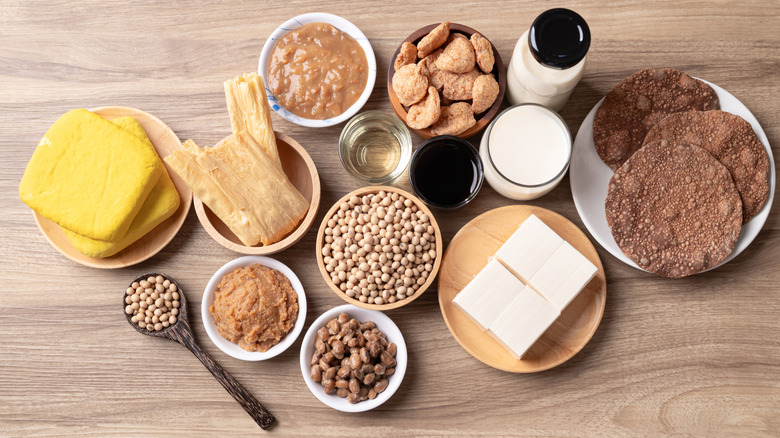
We love animal protein as much as the next foodie, but when we're in the mood for something a little different, soy has got us covered. There are lots of different kinds of tofu to try, while its close cousin tempeh is another fabulous (and healthful) source of protein. Young soybeans, known as edamame, are also delicious. Best of all, any member of this tasty trio will serve up all the amino acids you need.
Chia seeds
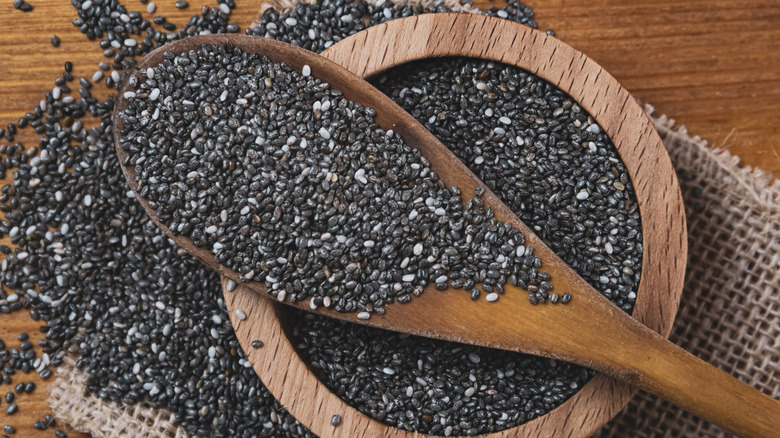
These tiny black grains make up a key part of my overnight oats, a breakfast that helps me feel full until lunch. Chia seeds (and hemp seeds) are packed with protein as well as all our nine essential EAAs. Because they're ridiculously easy to mix into a range of recipes (you can even drink them), you can easily consider your amino acid levels topped up for the day.
Pulses
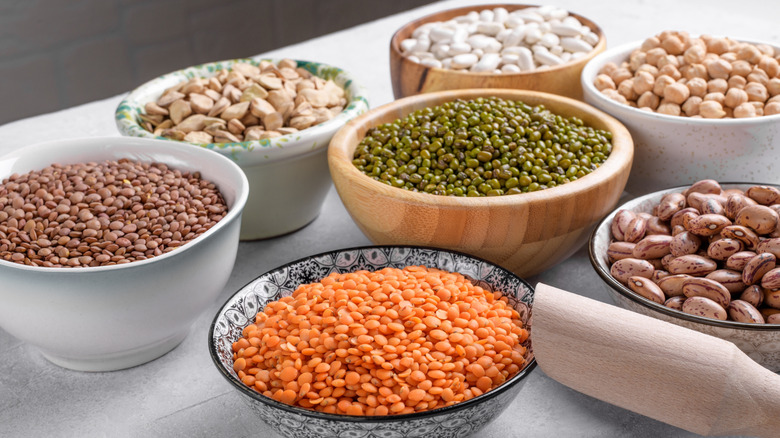
Lentils and chickpeas suffer the same fate as plant-based milks. Yes, they have all nine EEAs, but alongside bean protein, they have less methionine than other foods. So, they are often branded incomplete. But where one essential amino acid door narrows, another swings wide open: pulses like lentils, chickpeas, and beans are all high in lysine. Throw in the fact that they're brilliant sources of fiber, B-vitamins, and zinc (to name but three nutrients), and suddenly it's obvious why they should be a store cupboard staple.
Pseudocereals
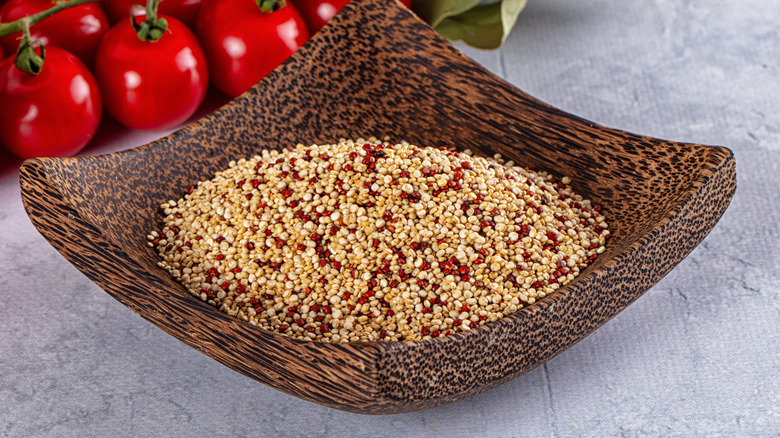
Not to be confused with cereal grains like wheat (we'll get to that in a minute), pseudocereals come from plants that produce starchy, edible seeds. They include quinoa, buckwheat, and amaranth, and all three are good sources of EEAs. Ironically, scientists have concluded that wheat flour is an incomplete protein due to its low levels of lysine, threonine, and methionine. We love a loaf as much as the next person, but who among us would only eat bread anyway?
Nuts
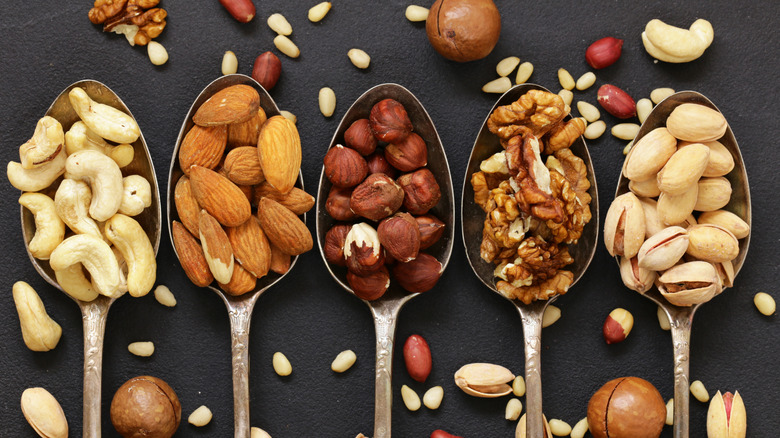
The PB&J may be one of several beloved American foods the rest of the world just doesn't get, but we'd venture that many more folks are, well, nuts about nuts. They're a quick and healthy snack (hello, my daily fistful of almonds), not to mention a tasty source of protein. While big players almonds, walnuts, and pistachios are low in lysine, peanuts and cashews lack the methionine present in other foods. Still, nuts remain a great way to top up your daily amino acid intake.
Vegetables
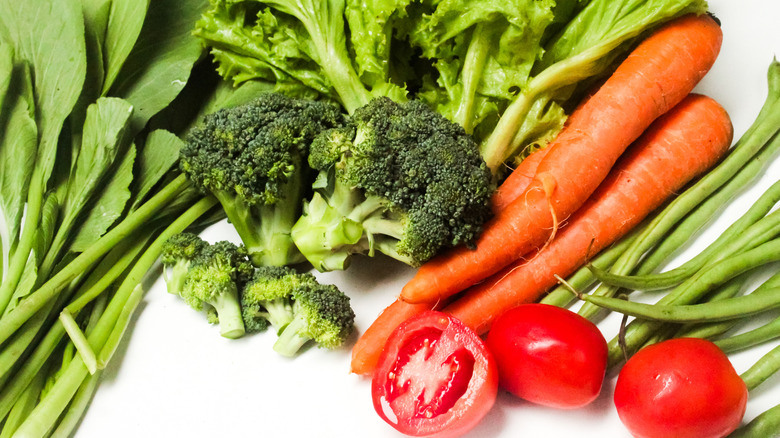
You have to feel for broccoli. It's full of vitamins and nutrients, as well as antioxidants, but it's a winnow in the lysine and arginine amino acid stakes. In fact, many vegetables fall into the same situation of having all 9 amino acids but relatively low levels of some, at least when compared to other protein sources. While that does mean vegetarians and vegans need to ensure they make up that EEA deficit with other foods, if you're eating a well-balanced and varied diet, it's really not going to be a problem.