

14 Foods With Essential Nutrients For Older Adults

The beauty of getting older is that our tastes evolve as we do. We often gain a new appreciation of foods that were the bane of our younger lives, especially when we learn more about them. Telling a kid they have to eat something that's "good for them" will likely lead to much dinner-time sulking or pushing (mostly green) foods around a plate, but fast forward to our fifties and that same message hits very different. By that time, we know which breakfast cereal packs a protein punch, and that using this flour in our pancakes will give us a fiber boost.
Of course it's always smart to eat a balanced diet no matter your age, but as adults get older, what we eat can have a direct impact on our health — for both good and bad. Luckily, there's a wide range of foods that can help ensure we eat the right amount of the essential nutrients our bodies need to keep us feeling tickety-boo, while also serving up a variety of colors, textures, and — most important of all — flavors. Let's get started!
Water

Betcha didn't see this one coming, but water is a crucial but often overlooked nutrient. Men should drink at least 3 quarts of fluid (including non-alcoholic, uncaffeinated beverages) per day, while women need a minimum of 2.3 quarts. Alternatively, divide your weight in pounds by half and that's the number of daily ounces you need. Liquid foods like soup are a delicious way to boost hydration, while watermelon, cucumbers, and lettuce also contain large percentages of the life-giving liquid.
Magnesium
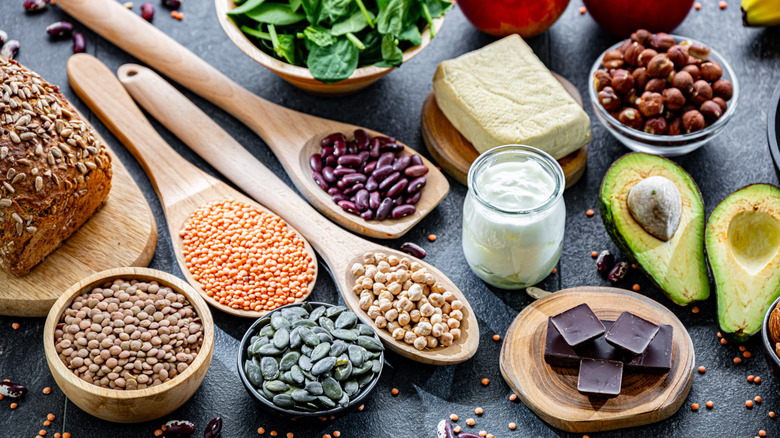
Magnesium deficiency among seniors is a serious problem, as this essential nutrient helps support our heart and bone health. Men over 50 need 420 milligrams a day, while women should have 320 milligrams, but the good news is magnesium is present in everything from water (tap and bottled) to leafy greens, beans, whole grains, and dairy foods. Clean and roast those pumpkin seeds and you'll get 168 milligrams of magnesium per ounce!
Potassium

Important for heart health and muscle function, potassium is a must-have nutrient for the over-50s. The recommended daily amount for men is 3.4 grams, while women need 2.6 grams, before you reach for a banana, try these fruits, which pack more of a potassium punch. If you're more of a savory lover, then add this underrated veggie to your grocery shopping list to get more potassium in your bod.
Protein
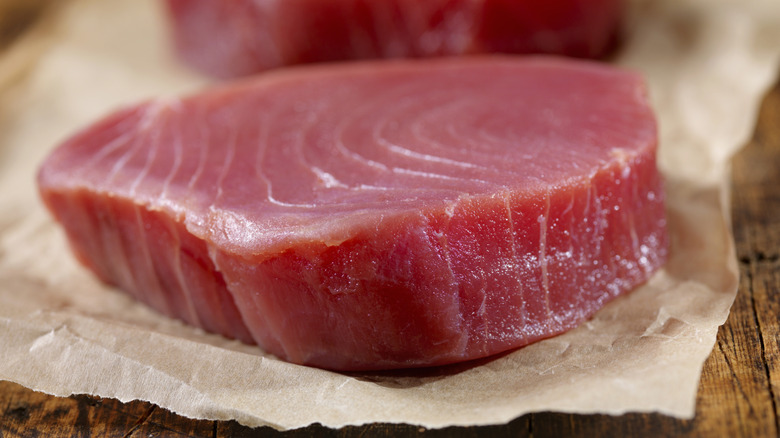
Turning leftover meat into a steak pizzaiola is a mouthwatering way to meet our protein needs, but it's found in a huge range of foods. Eggs are an obvious good source, but tuna, lima beans, and peanut butter are among those rating higher in the protein stakes. Considering experts recommend older adults eat between 1.2 and 2 grams of protein per kilo of body weight, there's no better reason to look at new (and delicious) ways to get your protein kicks.
Calcium
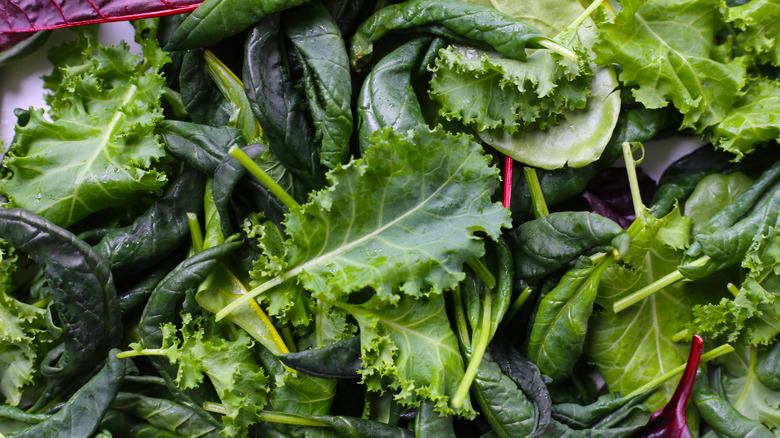
We're told as kids that calcium gives us strong bones and teeth but the same is true for older adults. Although it's an important nutrient, the recommended daily requirements are pretty small, at 1 gram for men over 50 and 1.2 grams for women, though more than 2 grams for anyone is not advised. If cow's milk isn't your bag then this canned fish is a great source of calcium, as are leafy green veggies. Pile 'em up on your plate and keep your bones in trim!
Vitamin C
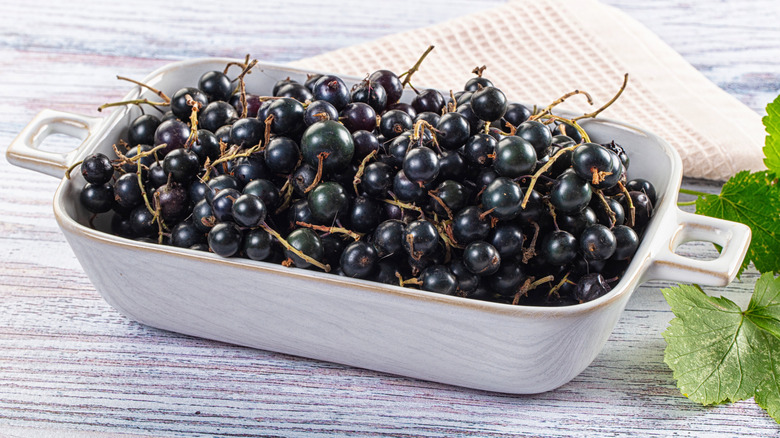
We've previously listed foods with more vitamin C than an orange, which is going to come in handy for over-50s, as it's an essential nutrient for the production of collagen, the stuff that keeps our joints supple, among other important jobs. Experts set the daily recommended requirements for men at 90 milligrams and 75 milligrams for women, targets that can easily be hit with a serving of kale, blackcurrants, and mustard spinach, though maybe not in the same dish ...
Fiber
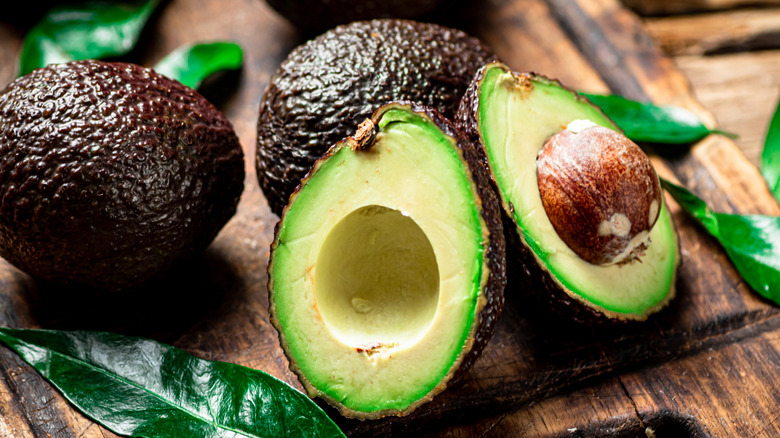
Dietary fiber does a lot of heavy lifting for our body, which is why men and women are recommended to eat 28 grams and 22 grams per day, respectively. Happily for foodies, there are oodles of tasty sources, some of which you might not expect. Not a fan of quinoa? Swap 'em for these berries and get a fiber boost. Alternatively, scoff a medium avocado (what, like it's hard?) or add some good dark chocolate into your day and your digestive system will thank you.
Vitamin B3
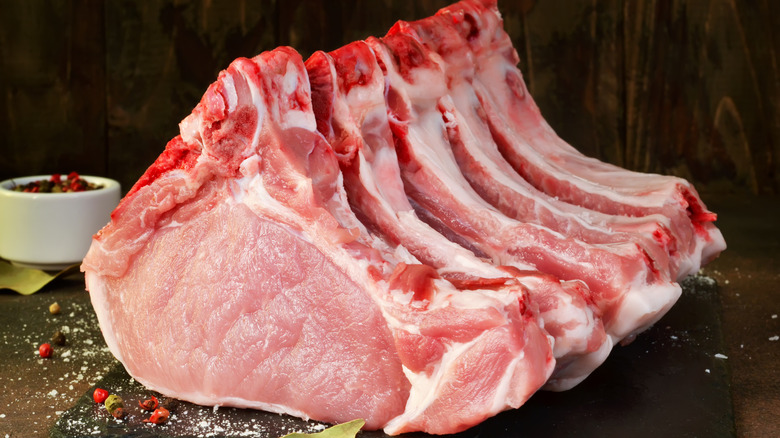
Of all the B vitamins we need (and there's a few), B3, also known as niacin, has the biggest recommended daily amount, at 16 milligrams for men and 14 milligrams for women. Niacin is essential for DNA production and repair, as well as turning food into energy. Red meat lovers will rejoice to learn their fave food is a super source of vitamin B3, but beef liver and pork are good too. You'll also find niacin in brown rice, fish, fortified cereals and bananas.
Vitamin E
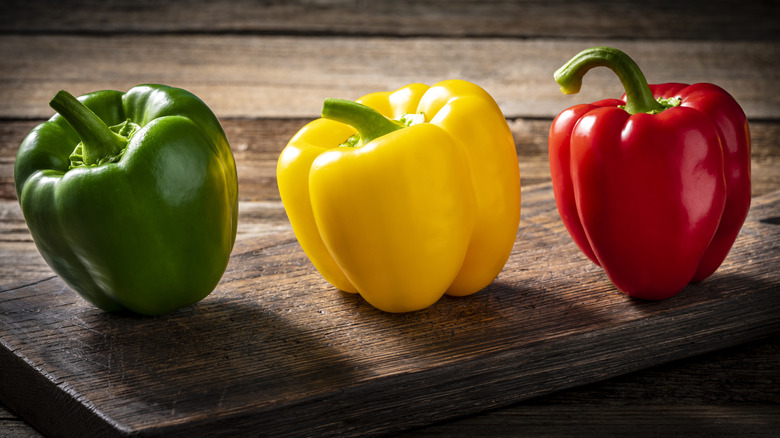
Essential for our skin, eyes, and immune system, men and women over 50 are recommended to have 15 milligrams of vitamin E per day. Nuts and seeds are the easiest (and tastiest) way to hit that target, so make them a key part of your next charcuterie board, or use them as daily snacks. Other foods that are rich in vitamin E include bell peppers and baby spinach, which are simple to add to a range of recipes, as well as wheat germ oil.
Vitamin B6
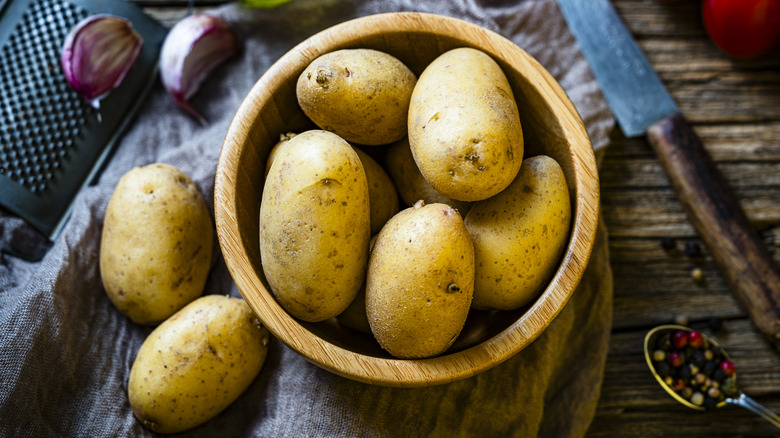
Another vitamin that bolsters our immune system, B6 is found in starchy foods such as potatoes (how's that for the perfect excuse to try out this ingredient for the fluffiest mash?), as well as fish, and fruit such as bananas. Although it's an essential nutrient for older adults in their fifties or over, we don't need much of it per day. Men should have 1.7 milligrams, while women need 1.5 milligrams.
Omega-3
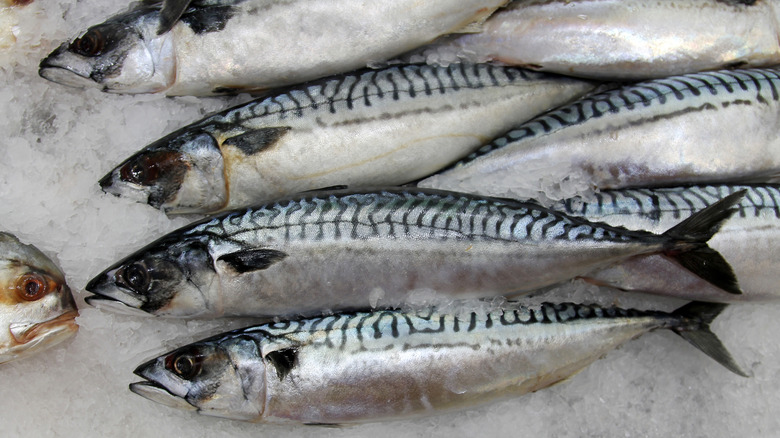
If you're in your fifties and have always sidestepped fatty fish like mackerel or salmon, now's the time to give them a whirl. They're great sources of two omega-3 fatty acids (a third is found in plant-based foods such as walnuts), which are essential for our heart and brain health. Recommended daily amounts are 1.6 grams for men and 1.1 grams for women. If you're still sniffy about fish, these foods have more omega-3 than salmon.
Vitamins B1 and B2
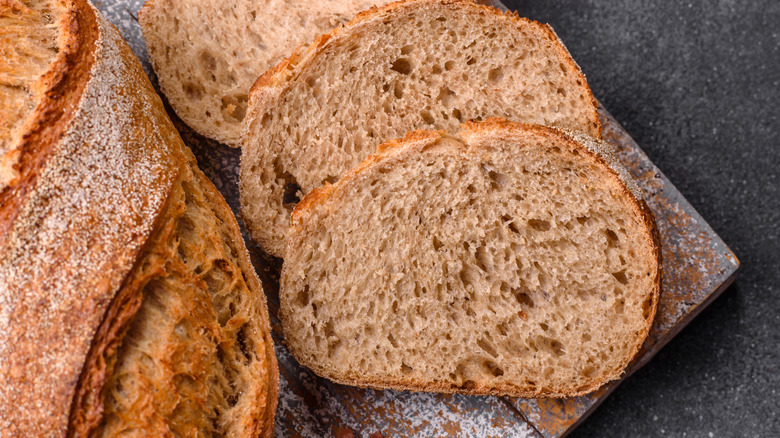
You've probably seen thiamin and riboflavin listed on a packet of breakfast cereal, but they're also known as vitamin B1 and B2, respectively. Older adults don't need much of them (1.2 and 1.3 milligrams for men and 1.1 grams for women) but thiamin helps with cell development and growth, while riboflavin converts carbs into energy. Pork, fish, and whole grain foods are good sources of vitamin B1, while eating clams, broccoli and asparagus will keep your B2 levels topped up.
Vitamin D
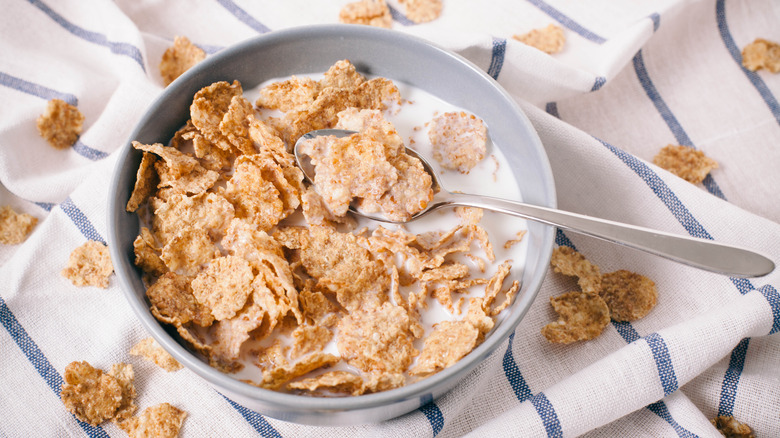
The best way to get the 15 micrograms men and women over 50 need every day is to stand in direct sunlight for several minutes (depending on your skin tone and where you live). Many foods contain vitamin D in the form of D2 and D3, including fortified cereals, milk, and fatty fish. It's worth knowing that D3 in particular is absorbed by the gut more quickly than solar vitamin D, and we shouldn't have more than 100 micrograms per day.
Vitamin B12
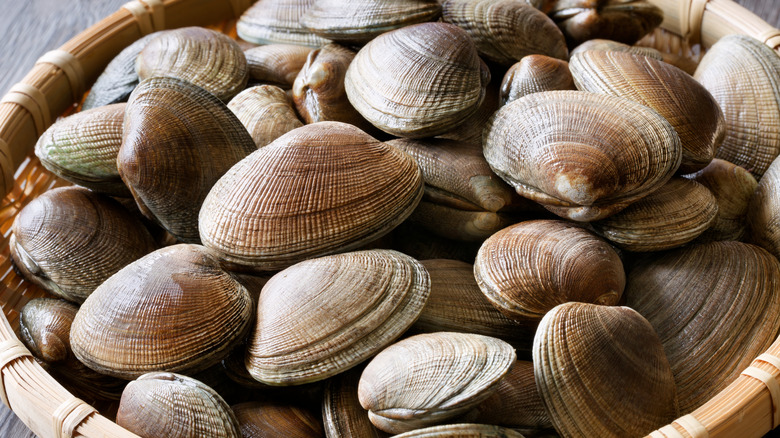
Our nervous systems and red blood cells need vitamin B12 to function properly, and as we hit our 60s and 70s, our bodies are less able to absorb it. For all adults over 50, 2.4 micrograms is the daily target; easy peasy for omnivores and carnivores, as red meat, oily fish, and clams in particular, are all good sources. Vegetarians and vegans can get their B12 from nutritional yeast or through some of these alternatives to cow's milk.