

What Food Contains The Most Vitamin D?
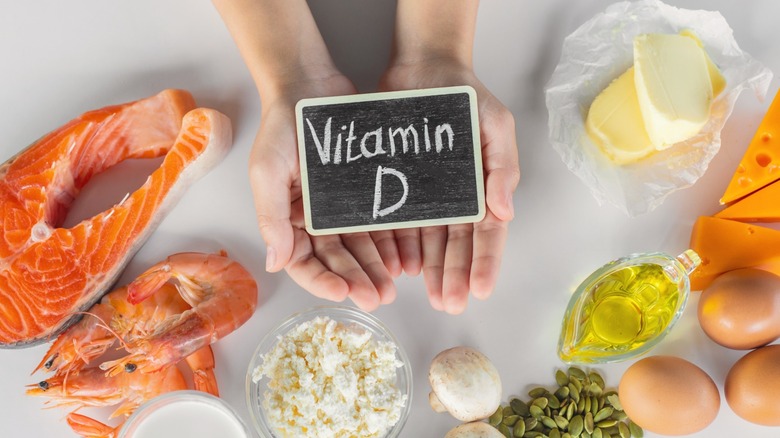
When trying to determine the singular food with the most vitamin D per serving, the answer isn't quite as cut-and-dried as when we went through the list of foods with more vitamin C than an orange. Vitamin D is an essential nutrient in which many adults end up deficient — and a vitamin D deficiency can make you feel seriously lousy, with tiredness and fatigue, mental health complications, sweatiness, and achy joints all being symptoms. Weak bones are, in general, one of the greatest risks of not getting enough of this vitamin in your diet. True, you could take an over-the-counter supplement, but, if you'd like to boost vitamin D naturally through eating whole foods, you might be curious as to how you can optimize your eating. The answer is, like we said, a little complicated.
The most easily available food with the highest vitamin D is mackerel. One serving (3.5 ounces) of this fish provides a whopping 643 IU (international units) of vitamin D, an amount that places it head and shoulders above other vitamin D superfoods like salmon and herring. One food does trounce it, but its availability makes things tricky. One cup of cremini mushrooms that have been treated with ultraviolet light packs an enormous 1,100 IU of vitamin D ... but most cremini mushrooms at the grocery store were grown in the dark and, therefore, contain little in the way of vitamin D. Unless you have a great source for treated mushrooms (which you should store in the fridge, by the way), your best bet is to look at briny, oily mackerel for your vitamin D needs.
Mackerel is the mack daddy of vitamin D
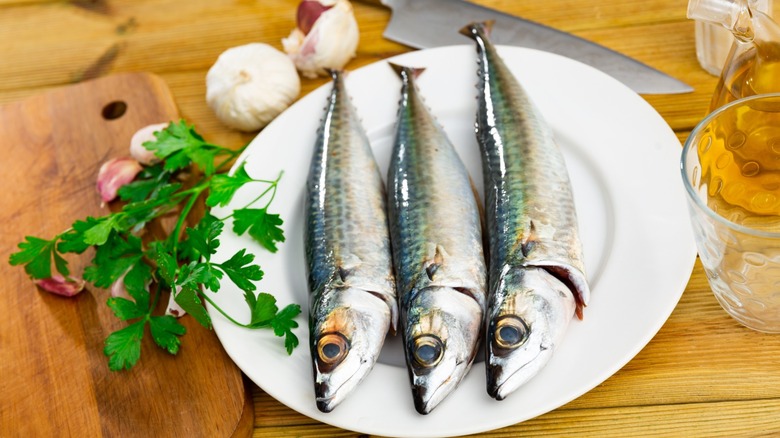
Mackerel is, overall, a nutritional beast. It lands on the list of foods with more omega-3 than salmon, and it's also a great source of vitamin B12 — to say nothing of it being an accessible and inexpensive source of protein. For some folks, mackerel is an acquired taste, since it definitely has a pronounced fishy taste. This could be due to the fact that mackerel spoils easily, so having a great source for fresh ones is mandatory. Once you do, however, you can savor the intense oceanic flavor of this protein while also enjoying its equally rich health benefits. Even canned mackerel is a great option for boosting nutrition, as long as you're mindful of its higher sodium content due to the salt solution typically used to preserve the fish.
For those who also want to consider mercury levels, know that mackerel is safe (and encouraged!) for twice-weekly consumption. Some experts recommend that you save your mack for a bedtime nosh, because the punch of protein right before bed promotes muscle growth and repair while you're dreaming. But we'd argue that, tastewise, mackerel is great at any time of day, including breakfast. Sounds fishy to you? Try some tinned mackerel on some nice rye or sourdough toast with a poached egg — we bet you'll become a believer. Not only is mackerel delicious and versatile, but you also stand to make yourself feel good by eating it, thanks to its plentiful vitamin D. Seems like nothing but a win in our book!