

9 Low-FODMAP Foods To Try Out If You Have IBS

Irritable bowel syndrome (IBS) is a chronic condition that affects between 25 and 45 million people in the United States alone. Although the exact cause of this sometimes debilitating illness isn't known, scientists believe it's digestive symptoms may be connected to the brain-gut relationship. Although there are medications for IBS, many people have also turned to low-FODMAP foods to limit their symptoms. The acronym covers fermentable oligosaccharides, disaccharides, monosaccharides, and polyols; these are short-chain, sugar-based carbs that cause gastrointestinal discomfort for IBS sufferers because their intestines struggle to absorb them.
Experts recommend IBS sufferers should only follow a low-FODMAP diet for between 2 and 6 weeks under the guidance of a doctor. This can help determine which foods cause a flare-up, before gradually re-introducing others to give individuals a balanced diet. If you are newly diagnosed with IBS, or you want to host someone who has the condition, watch out for a phenomenon known as "FODMAP stacking," in which eating too many low-FODMAP foods at the same time triggers a physical response. There are lots of FODMAP foods people with IBS should avoid, including animal milks, beans, pulses, stone fruits, and wheat. But there are also many others that have little or none. Shopping lists at the ready!
Proteins
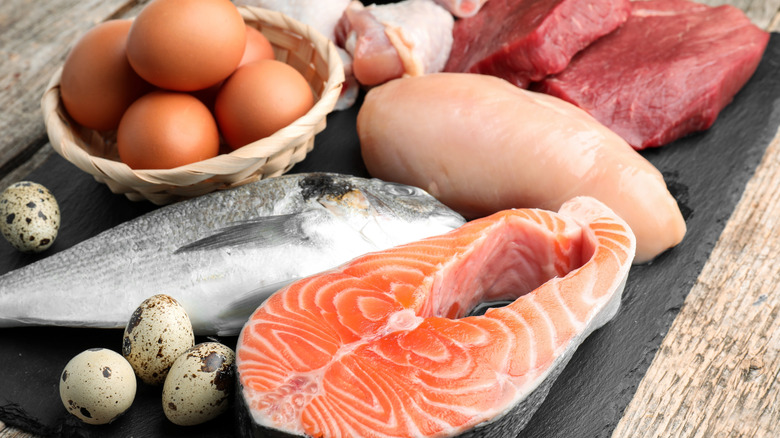
If you're having digestive problems caused by IBS, then fresh and frozen protein can be a foodie free-for-all as it contains no FODMAPs. Hurrah! The entire carnivorous experience is up for grabs: from red meat, including less common proteins such as duck and lamb, to white meat, not to sleep on fish, eggs, and soy-based tempeh or firm – not silken — tofu. You can chow down on up to two 75-100-gram portions per day. However, watch out for any sauces and coatings in your recipes, as they can be loaded with sugar.
Cheeses and milks
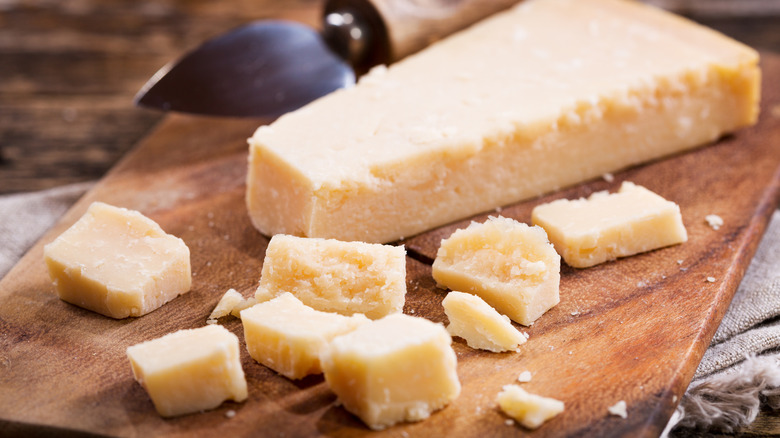
Many dairy products derived from animals, including cows, sheep, and goats, are a huge no-no for IBS sufferers because of the lactose (a form of sugar) they contain. When it comes to cheese, hard varieties may be able to stay on the menu because their lactose is generally eliminated during the production process. Meanwhile, the likes of Parmesan, Havarti, Camembert, and Monterey Jack are all low in FODMAPs. If you love a glass of ice-cold milk but your tummy increasingly can't handle it, you can get your dairy fix via lactose-free products, or switch to plant-based drinks such as coconut or rice milk (though be on the lookout for added sugars).
Fruits
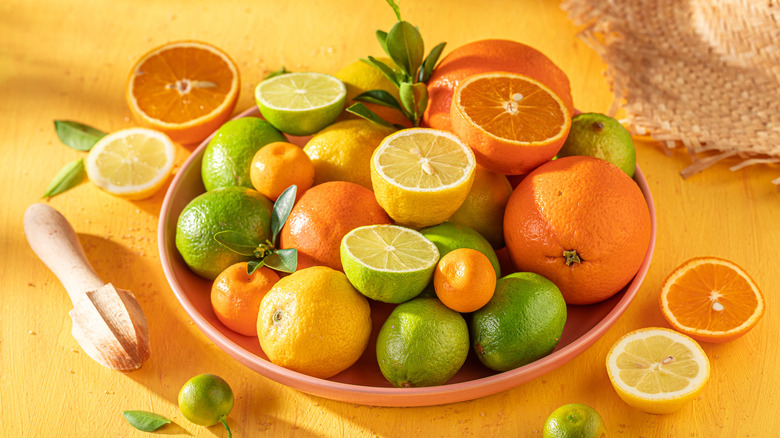
An apple a day keeps the doctor away in most cases, but not for people with irritable bowel syndrome. They join watermelon, lychees, and pears, among others, as fruits that should be given a wide berth to avoid a GI flare-up. Instead make citrus such as lemons, oranges, and lime, your go-to for a fruity boost, alongside blueberries, strawberries, and bananas, which are also packed with melatonin to help you sleep. That's what we call a good eatin' twofer!
Vegetables
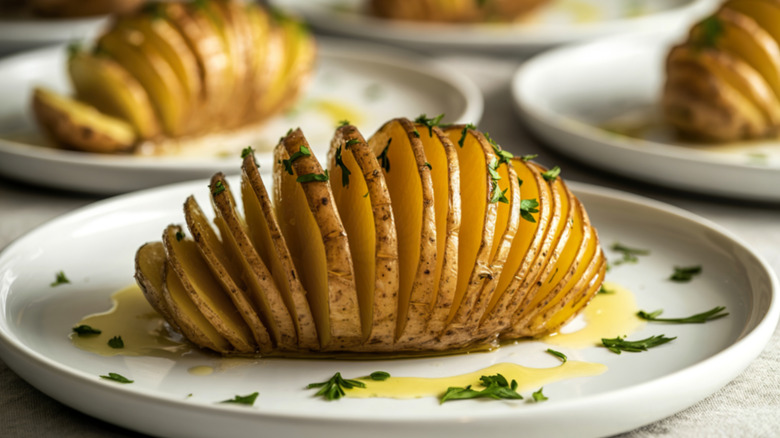
Just when you think the vegetable world could do absolutely no wrong, IBS proves that at least some of them can be troublesome. Alliums, legumes, and some cruciferous veggies are among those containing triggering sugars, but they are, thankfully, vastly outnumbered by vegetables that are low in FODMAPs. Keep an eye out for the aforementioned FODMAP stacking, and pile your plates high with juicy, flavorful green beans, sweet, crunchy carrots, and potatoes, including Hasselbacks that look like a pro cut them.
Nuts and seeds
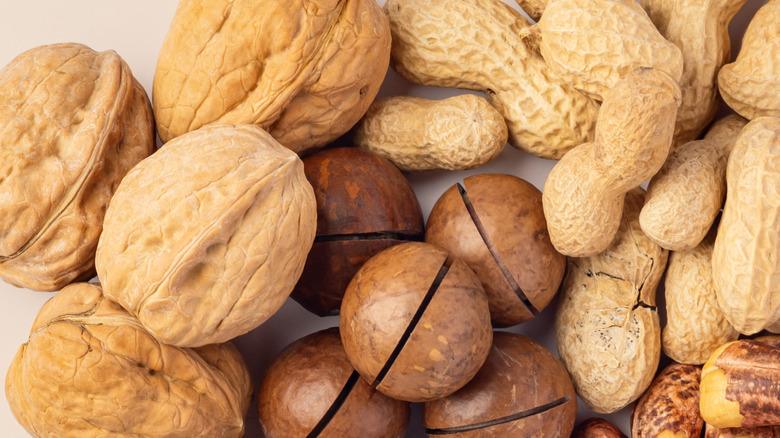
Alton Brown loves them, so does Carla Hall, and if IBS prevents you from enjoying your usual snack, make like these celeb foodies and grab a handful of nuts (roast them like this to get perfect flavor). I can't get through the day without chomping on a half-dozen almonds, and as long as you only have around 10 to 15, walnuts, macadamia, pine and peanuts are all good for many IBS folks, too. Don't sleep on the snacky qualities of seeds, either. Pumpkin and chia are also great low-FODMAP foods.
Pasta and noodles
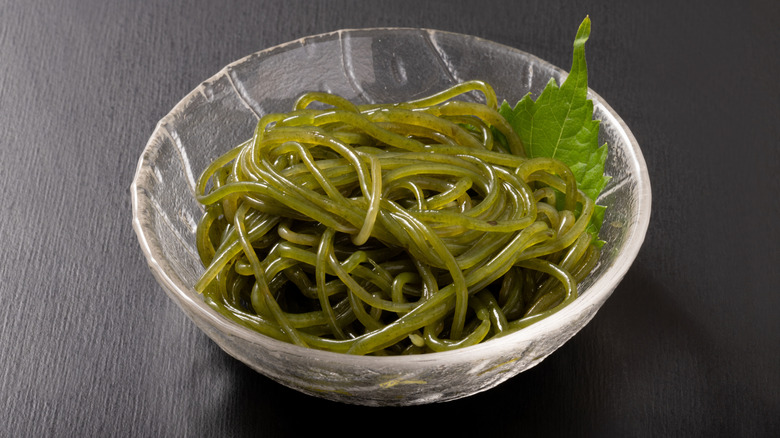
Few things beat a forkful of our garlic prawn and tomatillo pasta recipe, and it tastes delicious, but for anyone with IBS, it's a possible invitation to misery. Most pasta and noodles are made from wheat, which is high in FODMAPs, and even lentil and chickpea-based alternatives are no good for those with IBS. Thankfully, a number of food brands have come to the rescue with a selection of pastas and noodles that are made from rice, quinoa, buckwheat, and even kelp.
Breakfast cereals
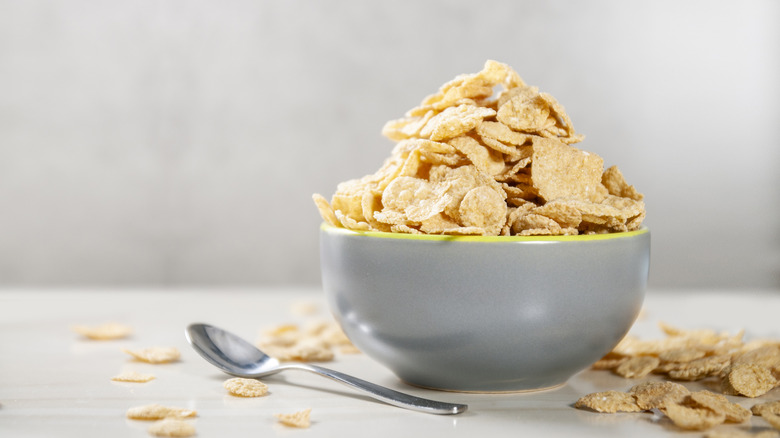
They often look like bowls of fun, but you don't have to have IBS to know there are a lot of unhealthy breakfast cereals sitting on grocery store shelves. You can avoid any painful flare-ups by seeking out the less-colorful boxes in the cereal aisle, and choosing corn, amaranth, millet, or rice-based cereals to start your day. Oats and buckwheat are other typically safe bets for anyone with IBS, and your tummy might be even able to cope with something like Cheerios if the portion is small enough.
Snacks and sweet treats
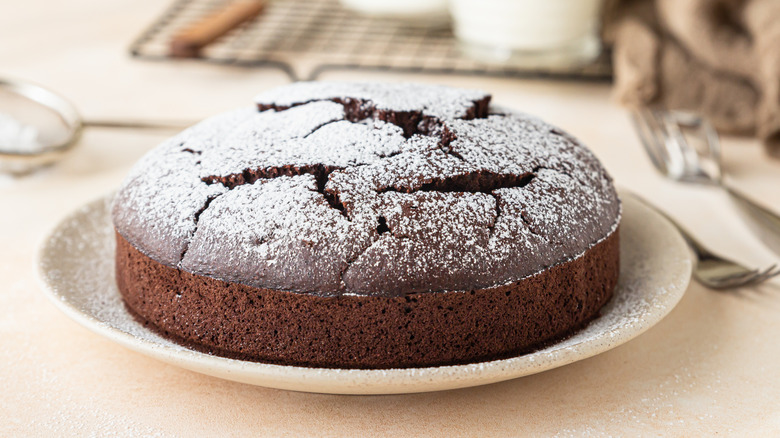
There are so many foods that have more sugar than we realize that you can be forgiven for thinking that overtly sweet treats or snacks are off-limits for IBS sufferers. The answer is often yes, but not completely. Plain chips and rice, oat, or corn cakes are all good for many, and for those with a sweet tooth, oat-based cookies or flapjacks are a delicious way to satisfy that craving. When you absolutely have to have a piece of cake, make the flourless kind or scour the shelves for low-FODMAP, gluten-free box mixes.