

11 Foods Packed With Melatonin To Support A Healthier Night's Sleep

Nothing beats waking up in the morning after a great night's sleep. On average, we snooze for 7 hours per night but 38% of Americans don't get anywhere near that number. There can be many reasons why, but sometimes it's down to a lack of melatonin. It's a hormone produced in our brains that controls our sleep cycle (also known as the circadian rhythm), and among the ingredients needed to make it is the amino acid tryptophan. Melatonin is released around two hours before we're due to go to bed, helping to ease our bodies into a restful state so we can nod off.
Despite this 100% natural chemical nudge, many people still struggle to sleep, and taking melatonin supplements ranging from 1 to 10 milligrams can be a help. But if you're among the bleary-eyed populace first thing in the morning, what you eat could help you get more — and possibly better-quality — shut eye. While alcohol and caffeine should be avoided several hours before bedtime, there are many foods that scientists found to be rich in melatonin and/or tryptophan, and can easily be added to the weekly menu. To aid healthful rest, don't sleep on this list!
Tart cherries
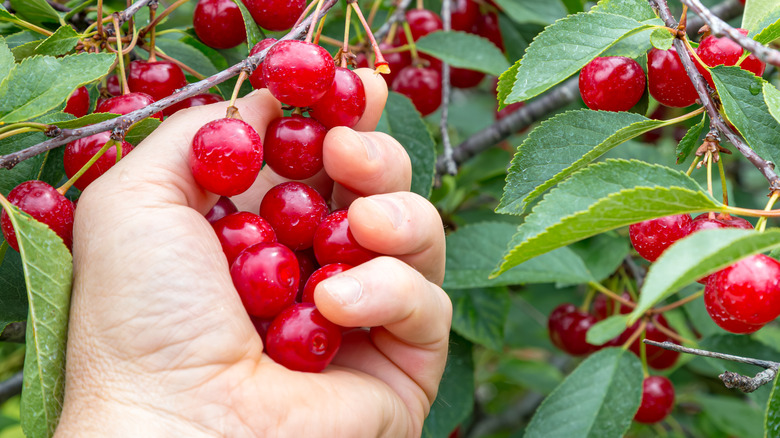
We all went crazy for "damn fine cherry pie" in the 1990s thanks to T.V. series "Twin Peaks," but for a dessert that will help you sleep, make like a Michigander and use tart cherries — either fresh Balaton or frozen Montmorency varieties, for preference. The former type of tart cherry delivers 13.46 nanograms per gram of melatonin, while the latter has 12.3 nanograms per gram. Plant your own tree and you'll save money, as well as have a steady supply of melatonin!
Rice
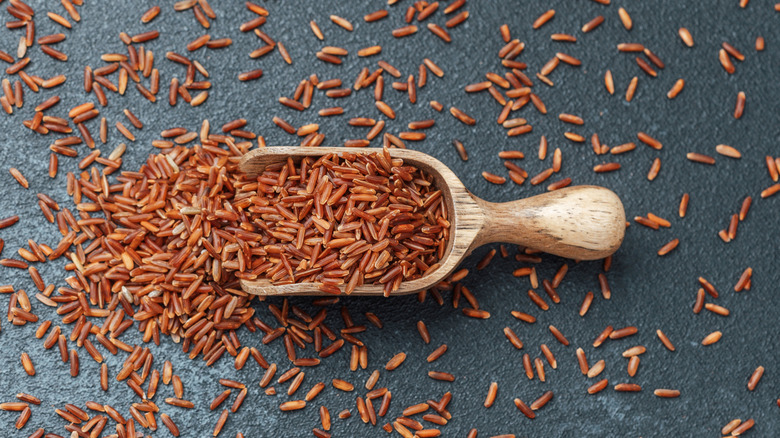
We've cracked the secret to getting the fluffiest rice, but did you know this carb can also help you get a better night's sleep? Red and black rice are top of the heap when it comes to melatonin content, clocking in at over 212 nanograms per gram for red and more than 182 nanograms per gram for black. If you'd rather stick to white or brown rice, that's cool too, as all rice has tryptophan, the amino acid that's needed to make melatonin.
Goji berries
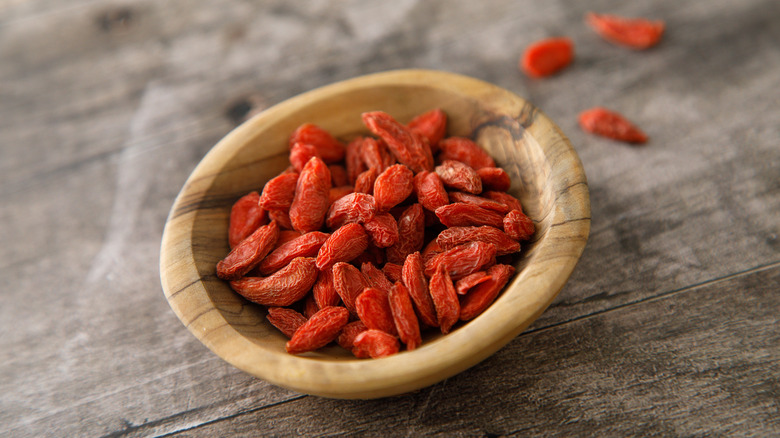
Berries really are brilliant. Some of them have more fiber than quinoa, they're packed full of antioxidants, and they taste amazing. Add "they can help you sleep" to that list, courtesy of the melatonin found in goji berries. Scientific tests showed it had the highest concentration of the hormone compared to other berry fruits, but that's not the only health boost you get from this wrinkled red berry. Goji are also good for our eyes, liver, and brain — handy considering it's what generates that much-needed melatonin!
Pistachios
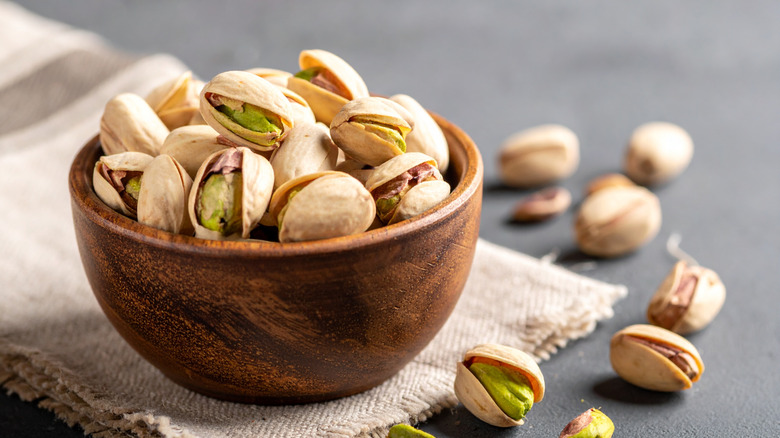
We've previously looked at the link between eating walnuts and sleep. Although they do contain a little melatonin, if you want to pull out the nutty big guns, add a bag of pistachios to your next shopping list. The Ahmad Aghaei or long variety contains a whopping 233,000 nanograms per gram of melatonin, while Kalle, Qouchi, and Fandoghi pistachios had between 231,400 and 226,900 nanograms per gram. How's that for the perfect excuse to make your own Dubai chocolate bar?
Eggs
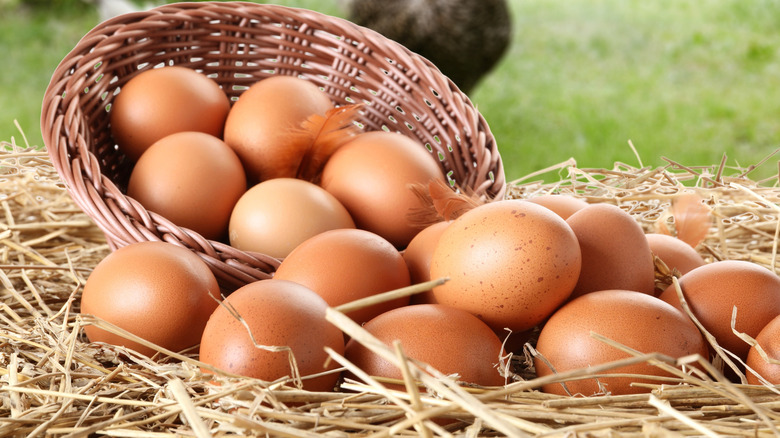
Think of an egg and "protein" probably comes to mind. While this humble grain has more, eggs are also a good way to up your melatonin and tryptophan intake. Fresh ones have around 1.54 nanograms per gram, but if you really want a sleepy-time boost, the powdered kind is the way to go, serving up 6.1 nanograms per gram. These days you can buy lots of powdered egg products, from the whole thing to just yolk or whites, perfect for a pre-bedtime omelet supper.
Mushrooms
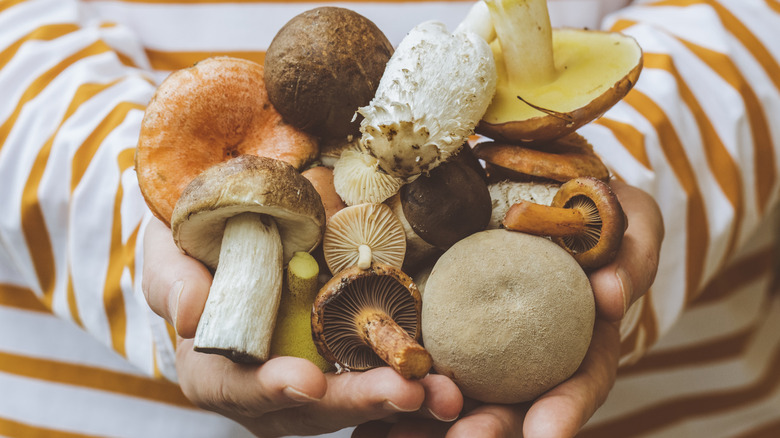
Fungi are one of several plants that like shady gardens, and if you're having a hard time sleeping, growing your own mushrooms can provide a solid supply of melatonin. The widely available Agaricus bisporus variety contains between 4,300 and 6,400 nanograms per gram. However, if you can get your hands on some saffron milk cap mushrooms, known as Lactarius deliciosus, it has 12,900 nanograms per gram of melatonin.
Salmon
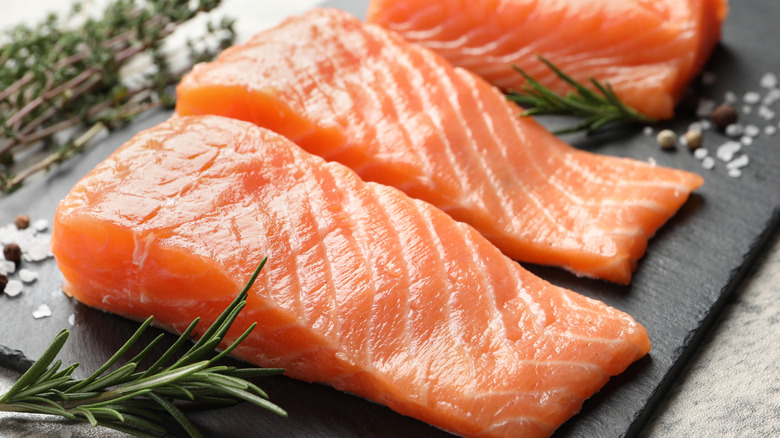
The internet rumor that medieval peasants ate so much salmon they were bored of it is, sadly, a myth. What is true is this tasty and versatile fish is packed with nutritious goodies, including omega-3, to which we can also add melatonin. Although salmon doesn't pack as big a punch as some foods, it will still provide 3.7 nanograms per gram, give or take. Serve a salmon fillet, some scrambled eggs, and a side of mushrooms for dinner and your circadian rhythm will thank you.
Night milk

There may be lots of foods with more vitamin A than milk, but that warm glass of milk before bedtime really can help you nod off. Cow's milk has 14.45 nanograms per gram of melatonin, but if you want even more, you need a glass of night milk. Dairy cows, it turns out, have a circadian rhythm just like us. Scientists have discovered that, when they're milked at night, the liquid contains roughly 10 times more melatonin alongside increased amounts of tryptophan, than milk drawn in the morning.
Oats
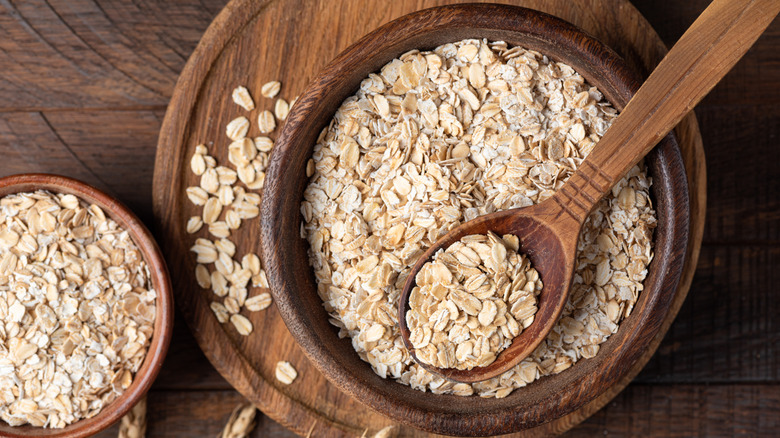
Whether you're using them to pump up the fiber in a boxed cake mix or turning them into a nutritious breakfast, oats can be a BFF for anyone looking to get a healthier night's sleep. You don't have to seek out a bougie kind either, the common-or-garden stuff used for oatmeal packs an impressive 90.6 nanograms per gram of melatonin — and that's not all. Oats are a complex carbohydrate and as well as helping us feel fuller for longer, they also enhance tryptophan's impact on our brain.
Bananas
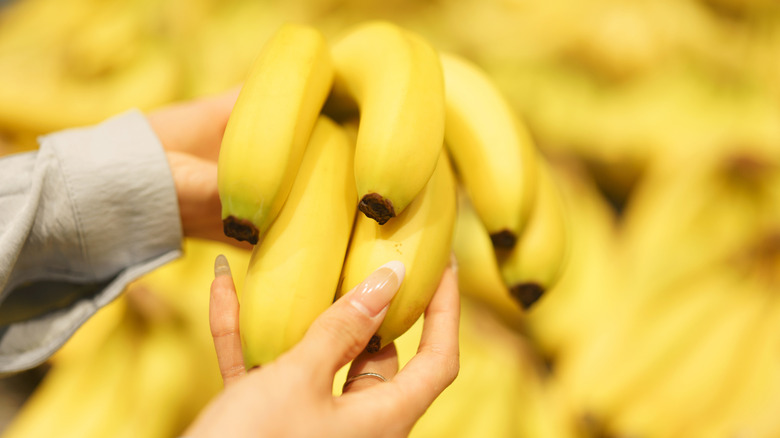
We know that berries are a good source of melatonin but you could be forgiven for concluding that, because bananas are actually berries, they will be too. In fact our fruity friends only contain a little melatonin — you get the most when they start to turn brown — but when they're at their yellowest, they are packed with tryptophan, the amino acid that helps make melatonin. Nosh one in the evening and say hello to sweet dreams.
Corn
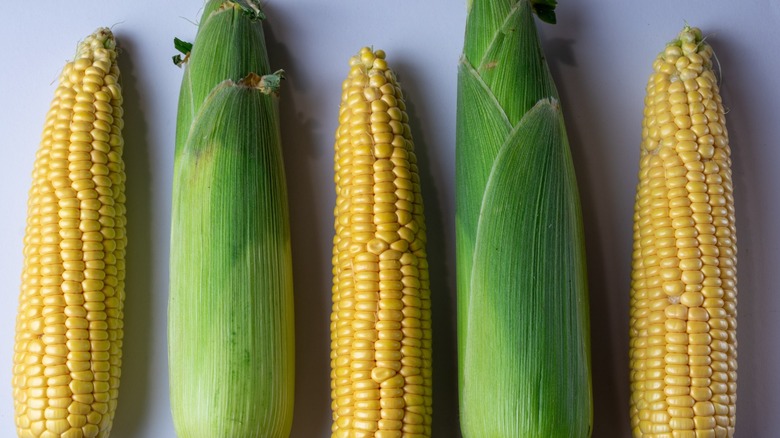
Whether you love it straight out of a can or on the cob (make sure to add these two ingredients for the latter), corn is a delicious way to get more melatonin in your system. It can provide between 10 and 2,034 nanograms per gram, depending on the kind of corn. Frustratingly, the researchers didn't specify which types of corn were tested, so we can't say for definite which to buy. Even if you stick to the fresh ears sold in grocery stores, you'll be getting some melatonin, as well as a boost of fiber and vitamins.