

17 Foods That Are Cheaper To Grow Than Buy
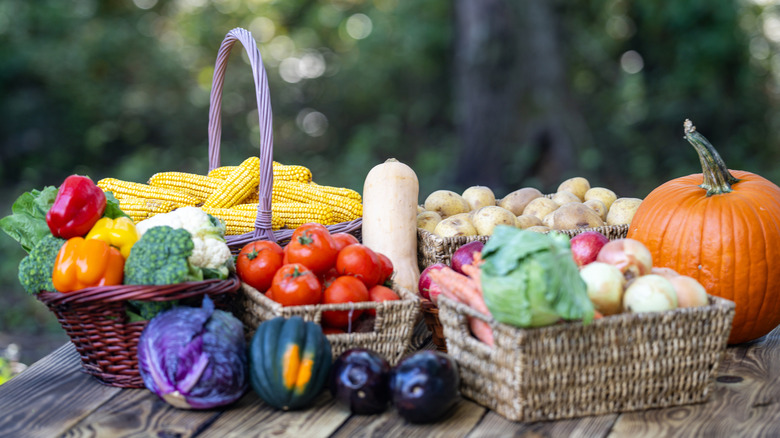
In 2025, Erewhon was named as one of the most expensive grocery stores in the United States, and while most people's pockets aren't that deep, many householders — to their chagrin — have watched food prices, particularly for fresh vegetables and fruit, go up across the board. As bargains get thinner on the ground, many people looking to save money have started asking whether it is cheaper to grow some foods and recoup their seeds each season, than to buy them. The answer is: Yes.
Across social media, home cooks sing the praises of growing their own fresh herbs, which can be "super expensive" in stores, while planting perennials can give you years of flavor. It's not just aromatics that will help keep your hard-earned dollars in your pocketbook. Investing your time, some space in your yard, and a little money on gardening tools, seeds, or plants can reap huge foodie rewards, in many cases for years. We looked at the USDA's per-cup equivalent cost for a range of popular fruits and vegetables, and found many that would cost less to grow than to buy every week.
Cherries
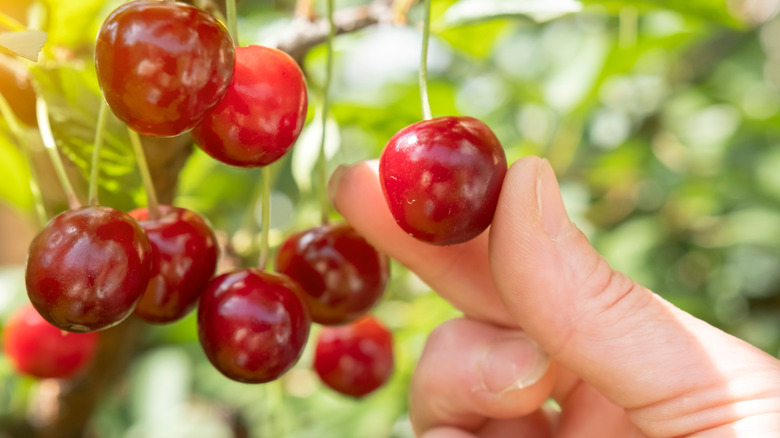
Are sweet cherries the taste of summer? If you live in one of the six producer states, that's a "heck yes!" For everyone else across the United States, cherries are a luxury, topping the USDA's list of most expensive fruits at over $4 per cup – and that's just the canned kind. However, if you're prepared to invest around $100, you can get a sweet cherry tree that will keep you and the tribe in fruit for years.
Asparagus
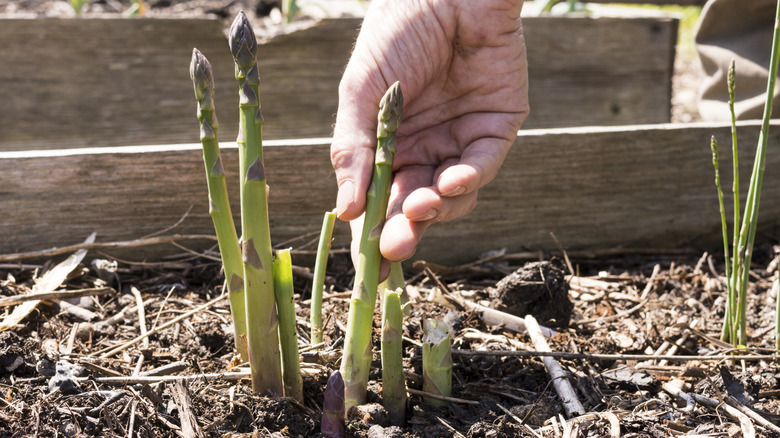
If you sigh every time you see crowns of skinny-looking asparagus in grocery stores, wait until you see the price. Fresh, they clock in at $2.58 per cup, while frozen asparagus is $2.60, according to the USDA, making them the second most expensive veggie to buy. It's madness, considering they're a cheap and relatively easy perennial to grow. They do need patience, you won't get anything for at least one year but after that, you'll be in asparagus heaven, baby.
Onions and leeks
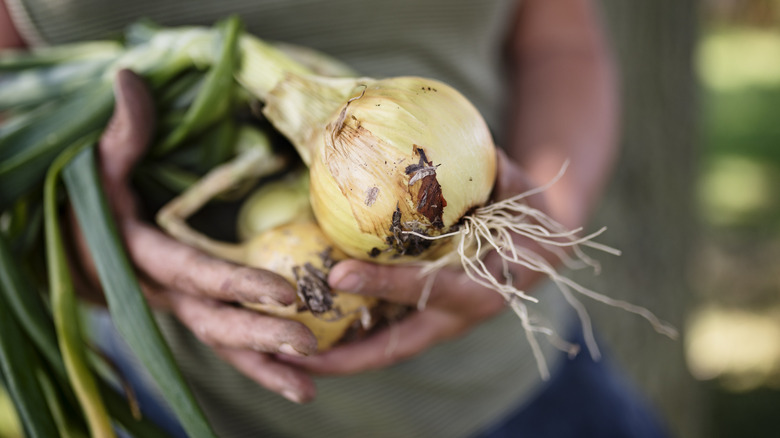
As the base for so many recipes, onions can be expensive simply because home cooks use so many of them, all year round. Their fellow allium, leeks, may not make it to the USDA list, but social media users complain enough about their cost for us to include them here. Onions are easy to grow, are great for beginners, and if you store them this way, they will stay crisp. Likewise leeks, which love the cold and will regrow a new batch if you leave the roots of a few in the ground.
Tomatoes
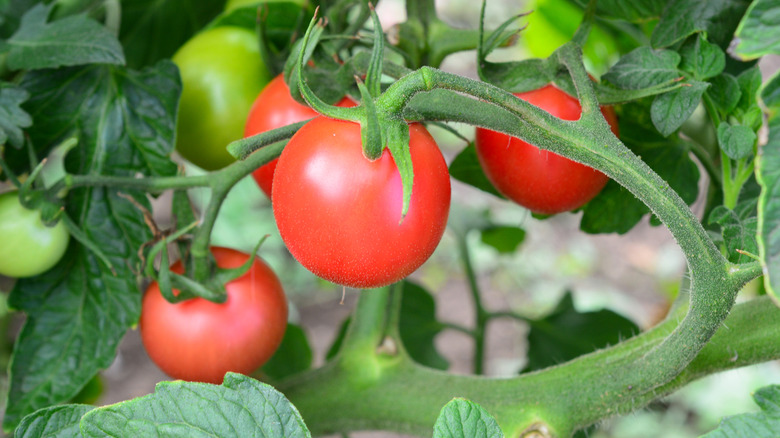
"I paid over $2 for a SINGLE beef steak tomato at a normal a** grocery store," grumbled one Redditor, and they're not alone. As well as costing anywhere from 52 cents to $1.71 in stores, many home cooks are increasingly dissatisfied with the flavor and quality of fresh tomatoes in grocery stores. Growing your own isn't just cheaper (a $5 packet of seeds will grow umpteen plants) there's a whole world of tasty, colorful heirloom varieties to try.
Berries
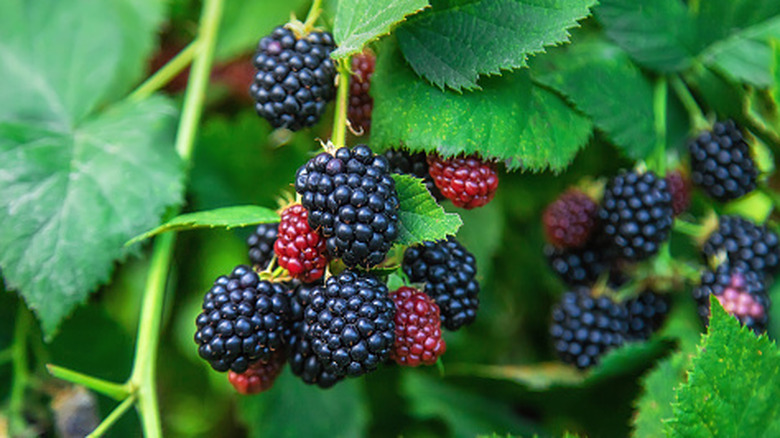
Raspberries are one of several foods that are loaded with fiber, but they and other berries, including blackberries, blueberries, and strawberries cost between $1.05 and an eye-watering $2.65 per cup to buy. If you don't have blackberries growing wild near you that can be foraged every season, around $60 will get you a bush to plant at home. If that's a budget buster, shop around online. You can buy a raspberry cane — and a lifetime of soft, sweet fruit for as little as $22.
Peppers
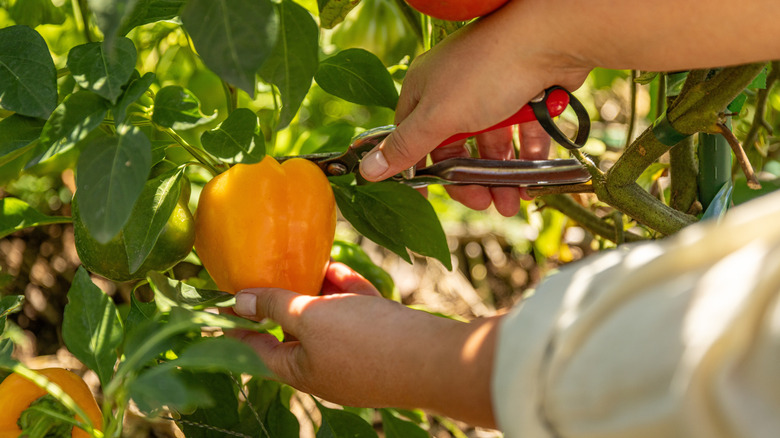
A cup of fresh, red peppers will set home cooks back around 55 cents. Chez nous, that wouldn't even touch the sides of the number we eat. Peppers are one of the best plants to grow at home (though they are slow to get going), because they are a gift that keeps on giving, especially if you use this fertilizer. Collect and dry the seeds each time you cut one up and you'll never need to buy them again.
Corn
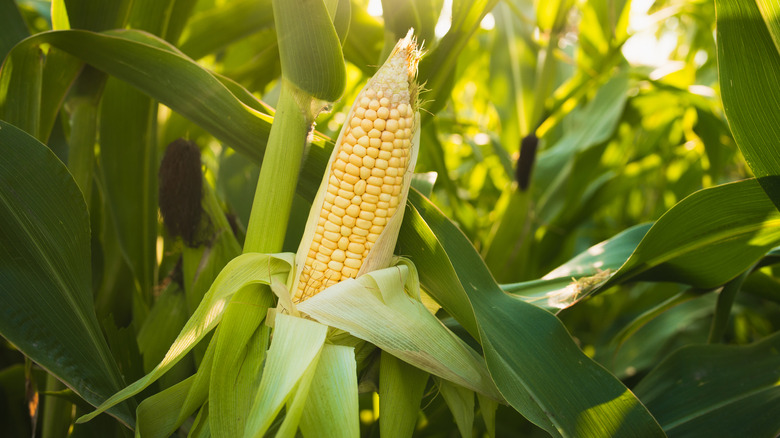
If you love sinking your teeth into a crunchy, sweet cob of corn but begrudge paying the $1.40+ per cup it costs, then make like the Hawkeye State and grow your own. It's suitable for zones 2 through 9 and comes in many varieties, though be aware it is a very thirsty plant. If you don't have any kernels left over from your last cookout, a packet of F1 hybrid seed costs less than $5.
Lettuce
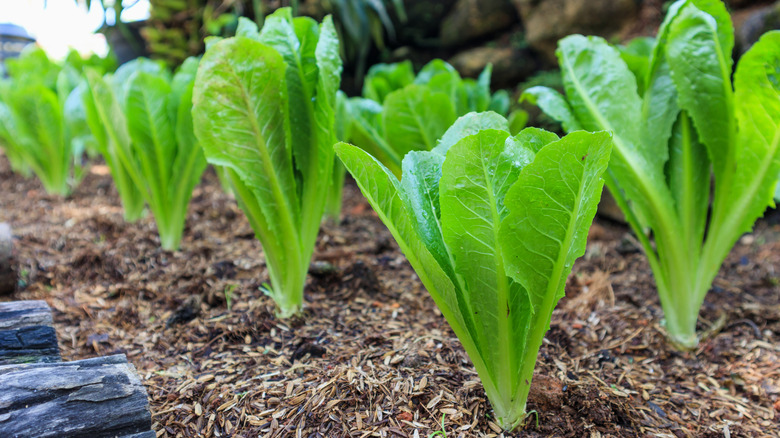
On the face of it, paying less than 40 cents for a cup of iceberg lettuce doesn't seem that bad, but that rises to 75 cents for romaine hearts. During the warmer months, that cost can quickly accumulate as everyone digs into salads. Growing your own will save you money, especially if you choose a "cut and come again" variety, as you get more than one harvest from a single lettuce. Added bonus: you'll cut your household's plastic waste too by eliminating the wrappers.
Broccoli
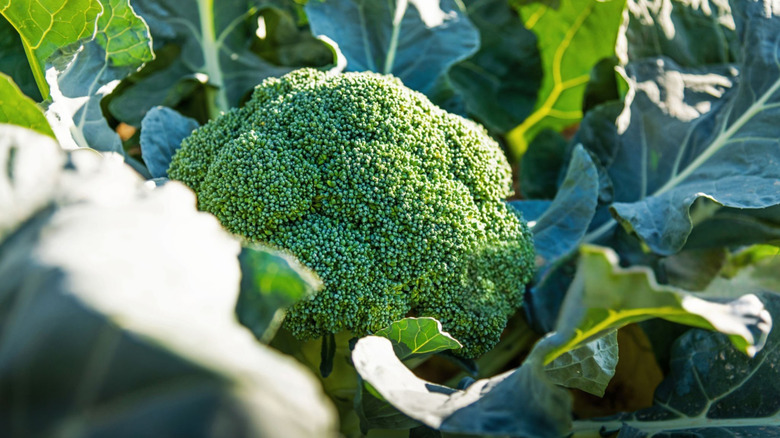
A cup of broccoli costs more than $1, according to the USDA, which threatens to make it more bougie than budget green veggie. Home cooks looking for a cheaper option who live in cooler zones could look into growing their own. You can pick up a packet of seeds for less than $3, and while the very young sprouts provide a nutritional boost, when they mature, you can also chow down on broccoli leaves, which aren't always seen in grocery stores.
Zucchini
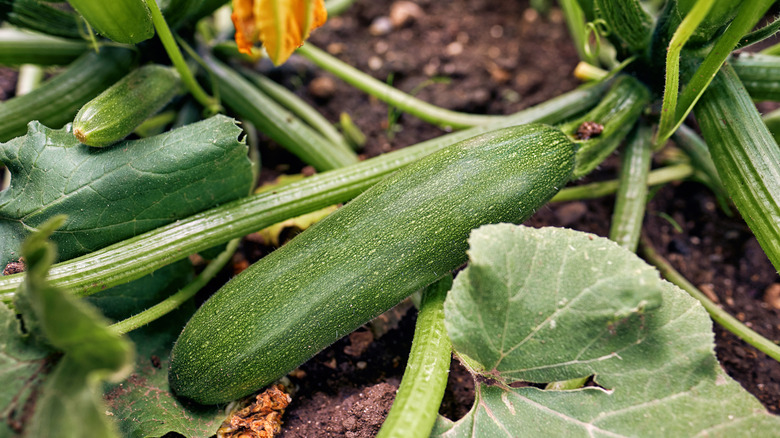
We're big fans of summer squash, in particular zucchini. We're not so fond of the 85 cents or so they cost per cup, so hurrah for the news that they're among the easiest — and most prolific — vegetables you can grow. Scoop out and plant the seeds from a store-bought zucchini or buy a pack for a few dollars for your own supply. Use this nifty trick to get even more veggies, and don't forget to sow these clever companion plants.
Garlic
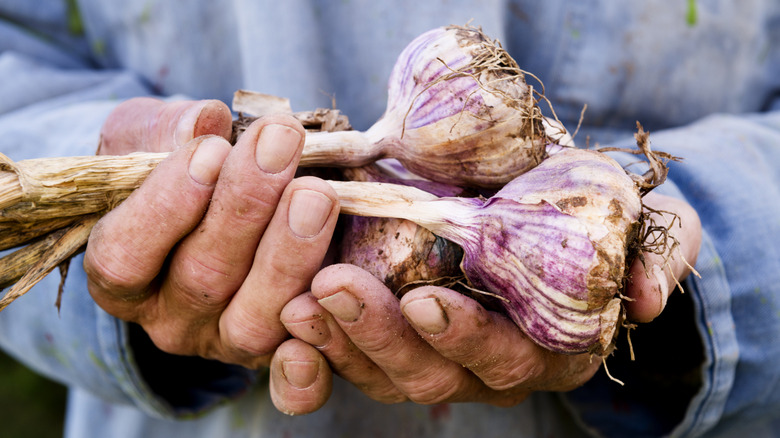
Full disclosure: garlic wasn't on the USDA list, but it's another veggie home cooks use all the time, so its cost can rack up. You can plant store-bought bulbs, but the results can be hit or miss. Alternatively, buy them online from certified organic sellers for around $9, which sounds pricey but garlic is perennial so, as one Redditor rightly quipped: "Buy seed garlic once and you may never have to buy garlic again."
Potatoes
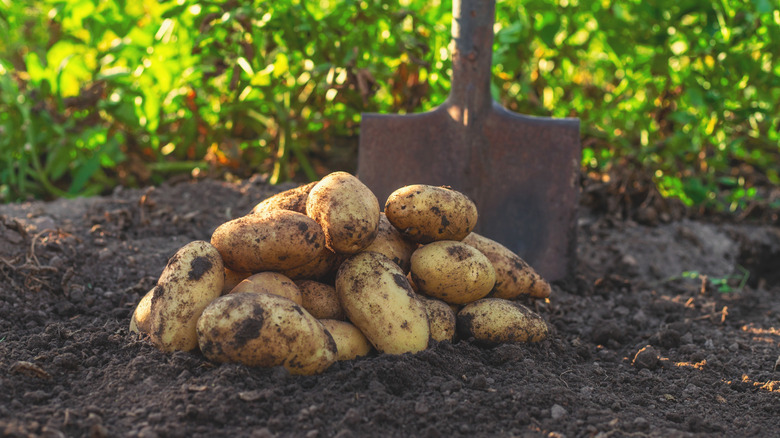
Potatoes may cost a measly 30 cents a cup according to the USDA list — but multiply that by how many times a week this hard-working veggie appears on your family's menu. In contrast, a half-pound bag of Yukon gold seed potatoes costs around 10 bucks, providing you with a steady supply to boil, mash, fry or bake. You don't need acres of room either! Grow your potatoes this way if you're short of space.
Cucumbers
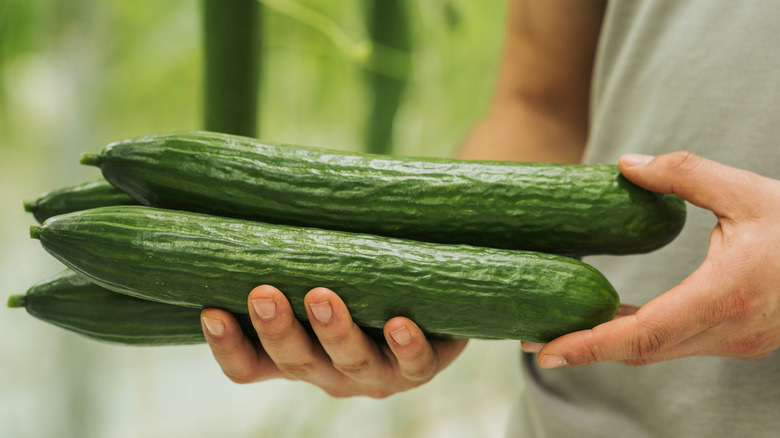
Is it even a salad if there aren't chunks of cool cucumber lurking among all those leaves? We say no, but at 30 to 40 cents a pop, it makes good economic sense to grow them at home. Cukes will grow in most zones, and a roughly $7 pack of seeds will keep that salad bowl topped up all summer. Alternatively, check out these cool pickling varieties for a burst of veggie flavor all year round.
Beans
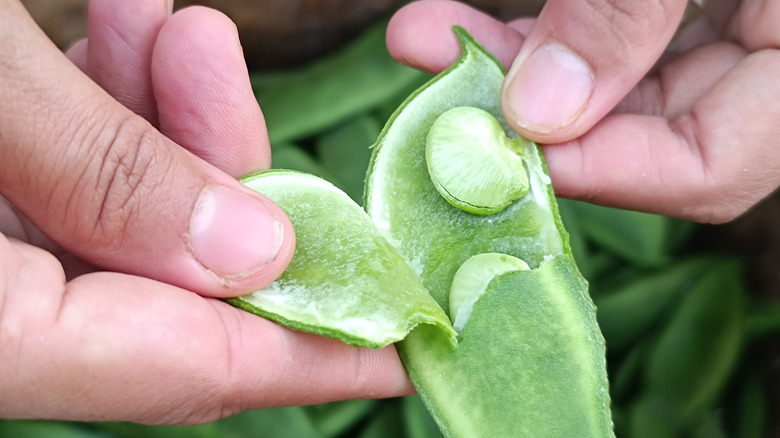
Dried beans are among the cheapest veggies on the USDA list, clocking in at just 26 cents for a cup of black beans. Lima beans however, cost almost a dollar a pop, while fresh green beans are up there, at 87 cents. Planting your own bush beans are a low-maintenance, low-cost alternative to store-bought veggies. Best of all, you can choose from lots of beans that will give you a massive harvest.
Okra
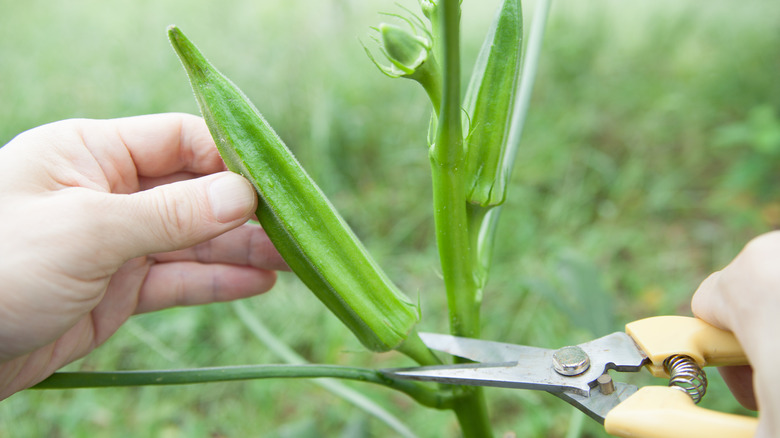
Okra lovers probably wouldn't think of this slender, versatile veggie as bougie, but at $2.60 per cup fresh and $1.11 frozen, it sure feels like a luxury. If you're thinking about giving it a grow, it's one of the best veggies for beginners because it's so easy and will crop prolifically. Okra is an excellent source of fiber and vitamin K, among other goodies, and is one of many foods that will add healthy carbs to your diet.
Pumpkin
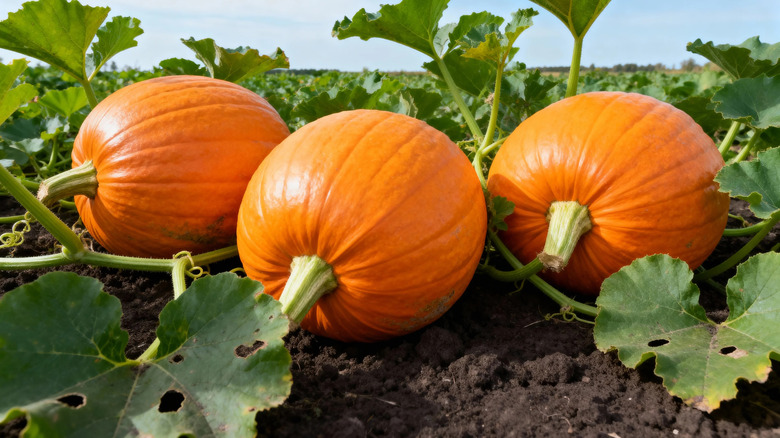
Canned pumpkin doesn't last long in the fridge, and considering it costs $1.12 per cup, that's more than a little exasperating. Forget being grumpy, get your hands on some pumpkin seeds and plant them in your garden. They're hardy, come in a range of weird 'n' wonderful shapes and sizes, and when mature, will last until you're ready to make amazing-tasting soup or the best pumpkin pie you've ever eaten. Watch out for this watering tip as they're growing to keep them 100% happy.
Artichokes
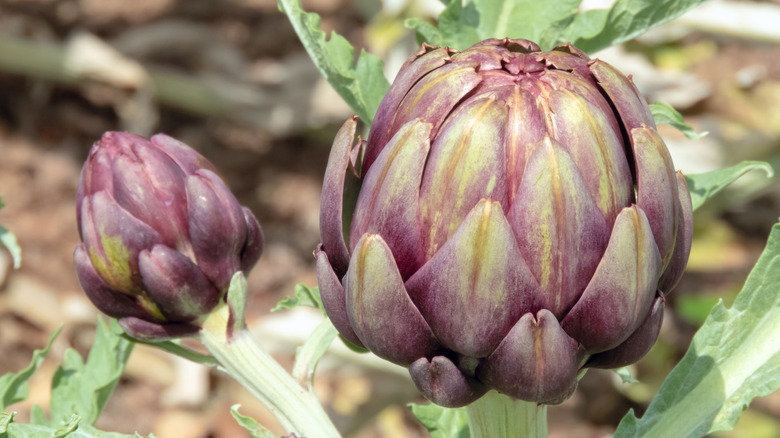
You could be forgiven for sidestepping artichokes in the grocery store. At a shade over $2 fresh and a jaw-dropping $2.58 in a can, they're borderline luxury food. This divine vegetable — which is packed with fiber and antioxidants — deserves a place on our menus. A packet of globe artichoke seeds can cost less than $3.50, and while they need plenty of space, there are varieties suitable for all zones and you harvest them just like broccoli.