

This Herb Is Easy To Grow In The Fall – And Adds Flavor To Every Dish
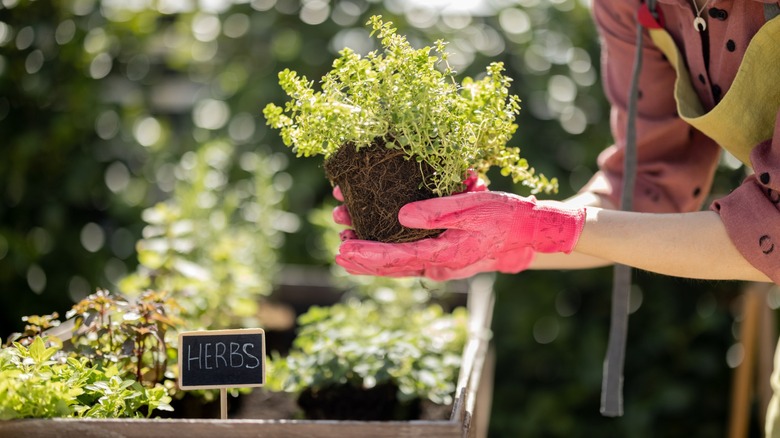
Autumn isn't always the most opportune time to enjoy an herb garden, as many popular options you might choose love full, hot sun. There is at least one popular choice that suits the cooler weather of fall, however, and that's cilantro. Agreeable climates will nourish cilantro continuously from spring to fall, but cilantro really needs TLC in the summer to protect it from the harsh rays of the sun — it's prone to bolt after even one really hot day. Like spring, fall has the cooler days that cilantro craves. Plant it now to enjoy at least one growth cycle before the first frost, keeping in mind that it takes about 50 – 60 days from seed to be ready to harvest. We've agonized over the best areas in our gardens to plant herbs, but cilantro prefers lots of morning sun and some afternoon shade.
Cilantro gets a bad rap for being a garden problem child, since it bolts quickly and inevitably. There are, luckily, a few simple hacks that will save your sanity when it comes to growing cilantro, especially if you live in a warm climate. (Spoiler: none of them are difficult!) First of all, consider growing the cilantro indoors. If fertilized properly, it's a low-maintenance windowsill denizen. If growing outdoors, be prepared to harvest your cilantro the very day it's ready ... if not sooner, at microgreen stage. Cilantro may actually last longer when properly plucked and stored (more on that in a bit) than allowed to linger on the stem. Plus, you'll get the pleasure of eating it sooner — adding vibrant flavor to so many dishes.
Cilantro is delicious in a variety of cuisines
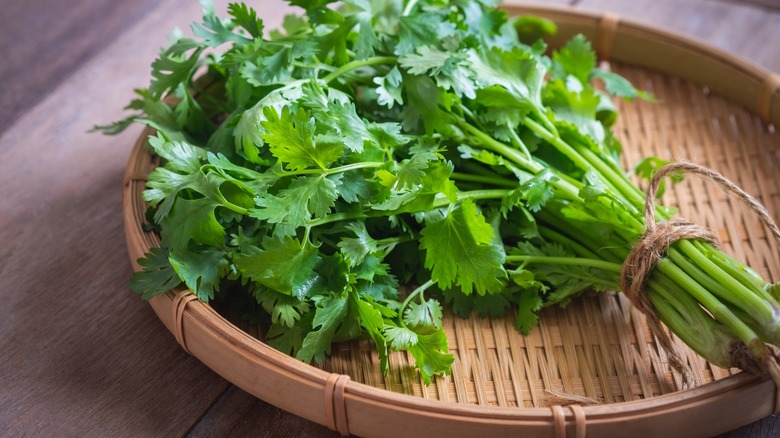
Perhaps the most enticing aspect of planting cilantro for a fall harvest is the fact that you will get to add bright, delicious flavor to many of your dishes. Unless you fall into the unfortunate minority of people who think cilantro tastes like soap — which comes from a gene variant that even celebrity chef Julia Child possessed! — the citrus-y tang of this herb will enhance so many meals, especially those that lean in a Mexican or Asian direction. Who among us doesn't love a fresh pico de gallo salsa with tons of cilantro, or a colorful green pesto?
Overall, growing cilantro allows you to take your loved ones on a world tour via the wide range of foods you can cook using cilantro: Peruvian poultry rubs, Vietnamese banh mi, Egyptian fava bean dip, and Yemeni hot sauce are just some of the diverse foods that utilize this ubiquitous herb. Although cooking cilantro into receipes is not unheard-of, it is at its best when raw, so the grassy savor can radiate through your dish.
Since your cilantro may be ready for harvest all at once, your should plan to take advantage of a bouquet hack to keep herbs fresh ... or learn how to substitute dried herbs in recipes. Methods that keep the ends of cilantro moist will go the furthest in keeping the herb fresh for longer when storing. Want to preserve your cilantro while maintaining flavor? Consider freezing it in olive oil.