

The Best 5 Areas In Your Yard To Plant Herbs
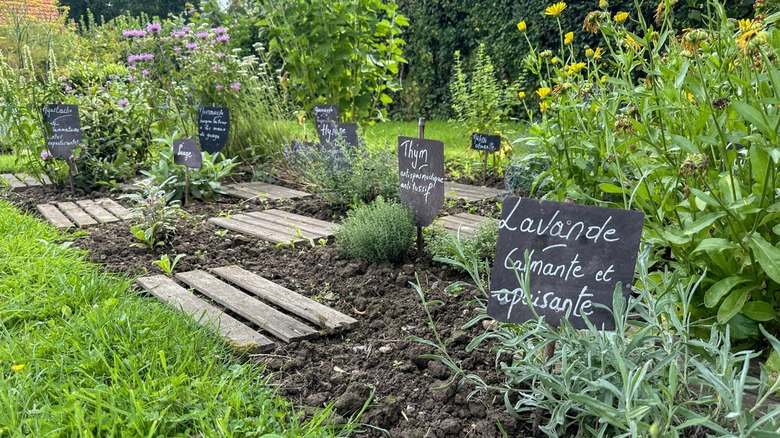
We can't stop counting all the ways we love growing herbs, whether it's to deter garden pests or planting perennials to enjoy a year-round harvest that enriches our cooking. From grassy basil to sharp rosemary to dreamy lavender, herbs are enjoyed for not just their culinary properties, but their roles as pollinator food and even folk medicine as well. Herbs are pretty, they smell good, and they taste delicious, all of which are reasons that they're worthy additions to our plots. And, yet, if you're new to the fragrant, wonderful world of growing herbs, you might be baffled as to where, exactly, you should plant them in your garden.
On the whole, most herbs like full sun and well-drained soil, so anywhere within those parameters will probably lead to favorable results. And, yet, whether it's due to tradition, convenience, or plain old logic, there are certain spots in your garden that just make sense for planting herbs, whether you opt for containers or in-ground planting. Just starting to plot your herb garden? Check out some of the most favorable locations in your yard for growing these plants ... one might be just perfect for your unique situation.
By your back door
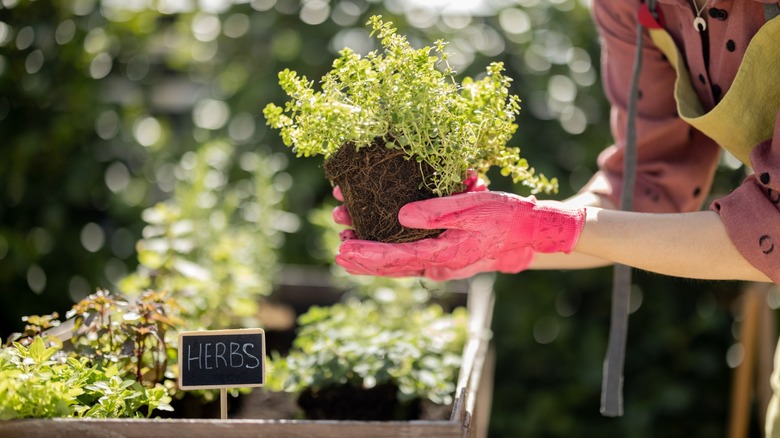
Herbs have traditionally been grown by the back door of the house because that means the homeowner has easy access to grab some for cooking or other needful purposes. Especially in years before electric lighting, it simply wasn't safe or convenient to navigate a poorly-lit yard every time you needed a few sprigs of herbs for nighttime dining! Today, you will find that keeping herbs close to your door reminds you to water them reguarly, as well as provides some botanical cheer when crossing the threshold.
Alongside your growing veggies
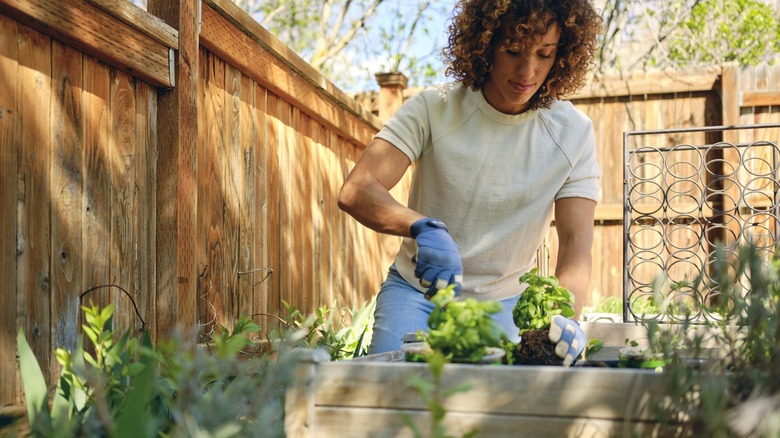
Your existing garden bed(s) could be just the right place for herbs because it already contains what herbs want: well-tended soil and the right amount of sunlight. Herbs tend not to need fertilizer, so you don't want to plant them in areas that have been heavily enriched, but you will find that many herbs make excellent companion plants for your veggies – basil and tomato belong together in your garden, for instance, because they nourish one another. As a bonus, all your garden edibles would be together in one convenient location.
Outside your kitchen window
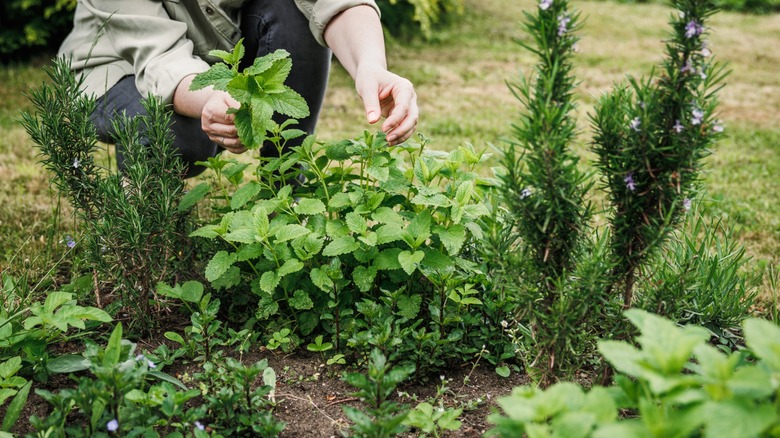
Planting your herbs strategically by your kitchen window will allow you to enjoy their magnificent scent on nice days when you have the window open to the fresh air. Imagine the delight of sunshine streaming through your cooking space and the inimitable perfume of sun-warmed herbs scenting your kitchen sink! The smell is better than any candle or oil warmer, and it's both all-natural and a totally free perk when you establish your garden. Don't overlook the right way to harvest rosemary – homegrown rosemary is especially fragrant and wonderful.
Beside fountains or sitting areas
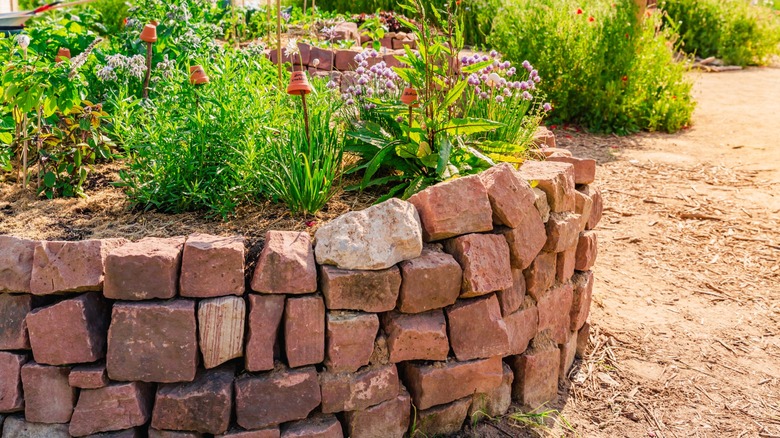
While a vegetable garden is a vivacious, bustling hotbed of activity, herb gardens are frequently perceived as peaceful sanctuaries from the outside world. An herb garden is a place to nurture your inner zen, an oasis in the midst of hectic quotidian life. To this end, planting herbs along lounge areas or decorative features in your yard will promote enjoyment of your garden's serenity and give you a great view of the butterflies and hummingbirds that pay a visit — especially if you plant sage, which attracts the latter.
In flower beds
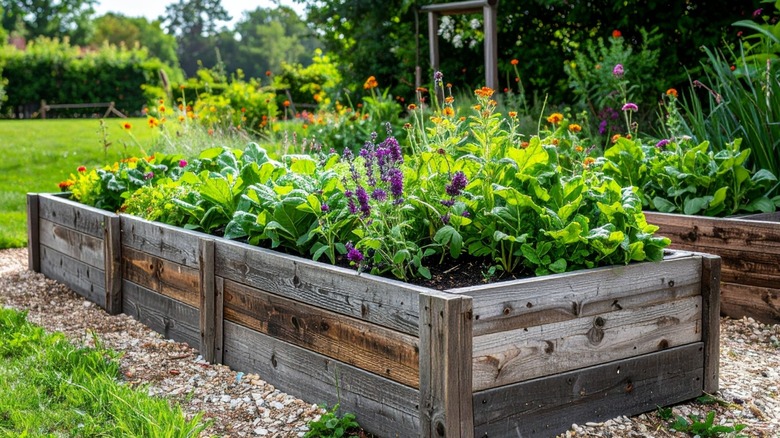
Herbs make great additions to flower beds because many of them are as ornamental as they are useful, and will enrich the beauty of your plot. Be sure to choose herbs that aren't likely to overgrow the entire garden bed – mint has a habit of spreading, for instance, so it should be contained when planted. Even if you intersperse potted herbs between your flowers, you can make a layered, aesthetic arrangement that's as sightly as it is functional ... many flowers and herbs are effective companion plants that will help each other thrive.