

Nutty Brown Butter Mac And Cheese
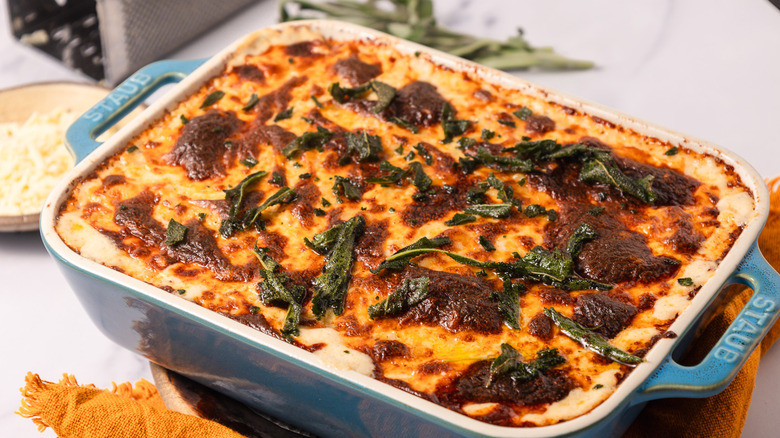
If you thought mac and cheese was forever doomed to be a throwaway meal from a box, this recipe will dispel that myth. This nutty brown butter mac and cheese is elegant, refined, and dinner-party-worthy, and yet simple enough to make on a weeknight. But I'd suggest you save it for people you want to impress, and who need a refresh on their attitude towards mac and cheese.
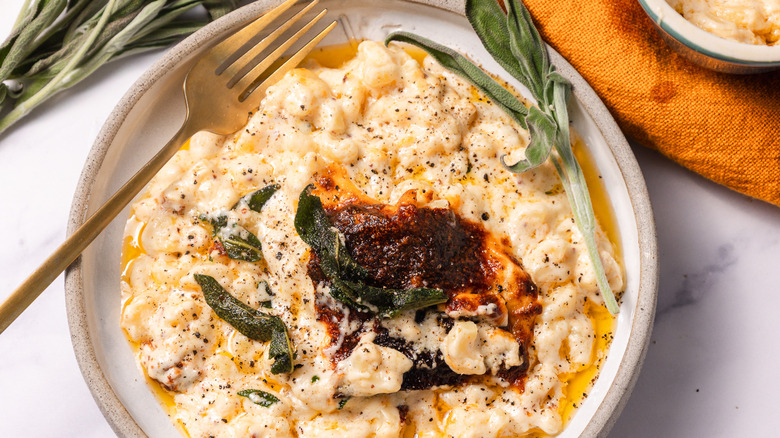
As a recipe developer and blogger, I wanted to challenge myself to create a mac and cheese that tasted like the best version of itself. It needed to be creamy, refined, and unctuous, with a savory blend of three melty cheeses and a nuttiness that can only come from brown butter, making the whole sauce taste much more complex than a traditional béchamel. With a topping of fried sage at the end, crisp and fragrant, the dish shifts from being a kids' meal to something that makes you pause, think, and savor with pleasure.
This mac and cheese relies on the flavors of Gruyère, Comté, and aged Manchego to create a layered, balanced, and nuanced sauce. Consider yourself warned: skip one, and you've changed the whole dish.
Gather the ingredients for this nutty brown butter mac and cheese
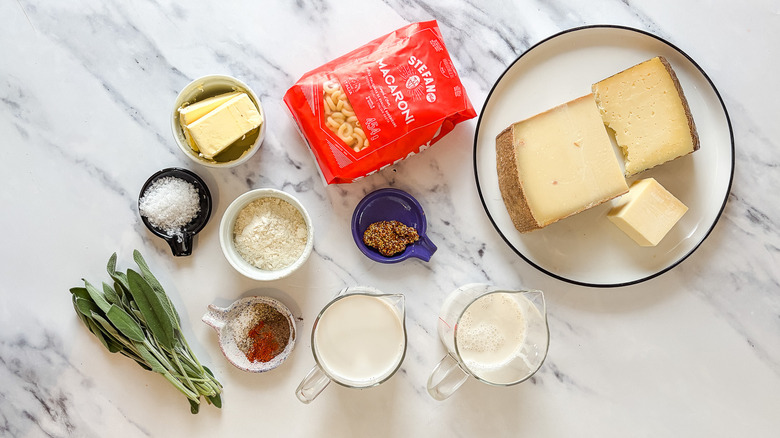
To make this nutty brown butter mac and cheese, you'll need softened butter, kosher salt, your choice of elbow macaroni or cavatappi pasta, plenty of fresh sage, flaky sea salt, all-purpose flour, whole milk, heavy cream, Dijon mustard, ground nutmeg, cayenne pepper, black pepper, Gruyère, Comté, and aged Manchego.
Step 1: Preheat the oven
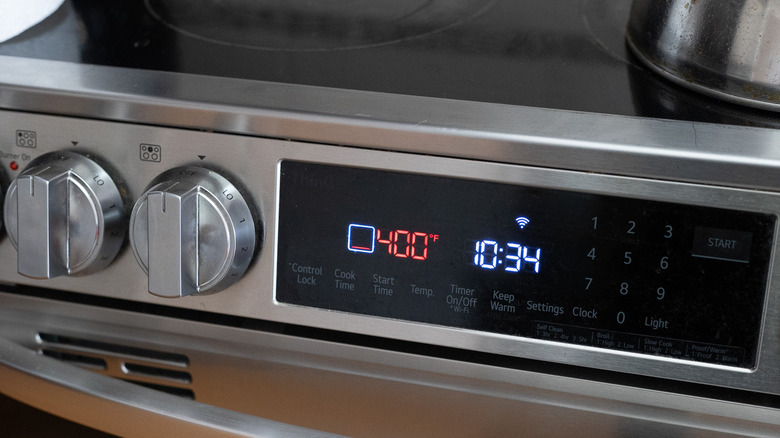
Preheat the oven to 400 F.
Step 2: Butter a baking dish
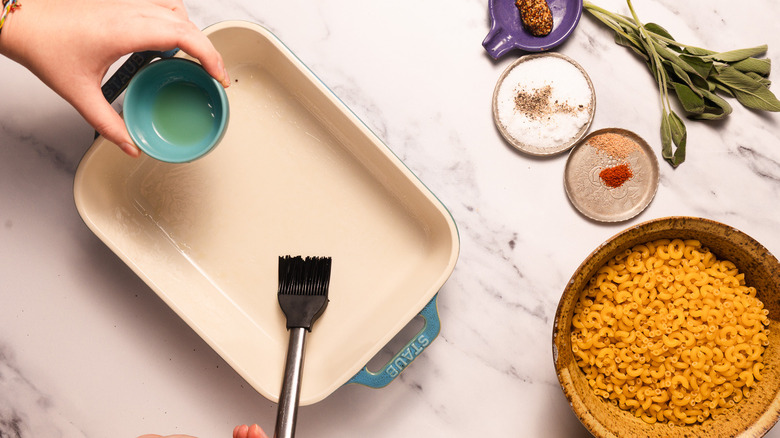
Brush a 9x13-inch baking dish with the 1 tablespoon of softened butter.
Step 3: Cook the pasta
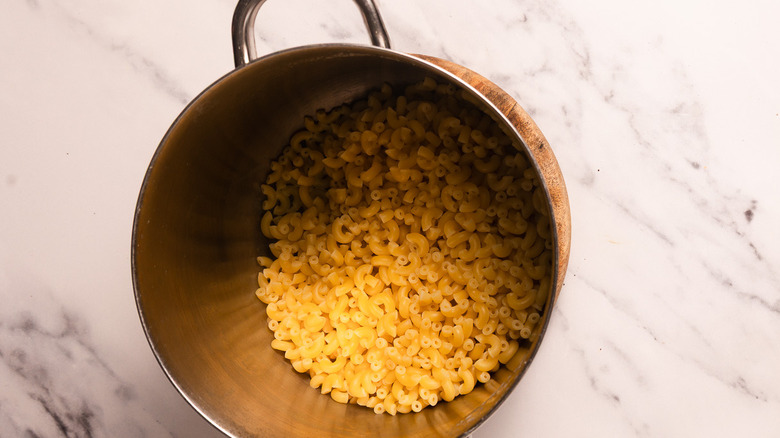
Bring 4 quarts water to a boil in a large pot and add 2 tablespoons kosher salt. Cook the pasta 2 minutes short of the package time, until very firm. Drain and return to the pot.
Step 4: Brown the butter
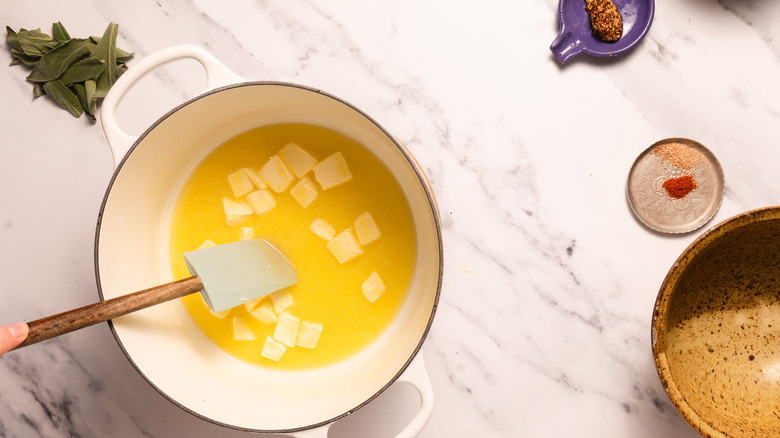
Melt 8 tablespoons of the butter in a large Dutch oven over medium heat. Cook, swirling, until the milk solids turn amber and smell nutty, about 5 minutes.
Step 5: Fry the sage
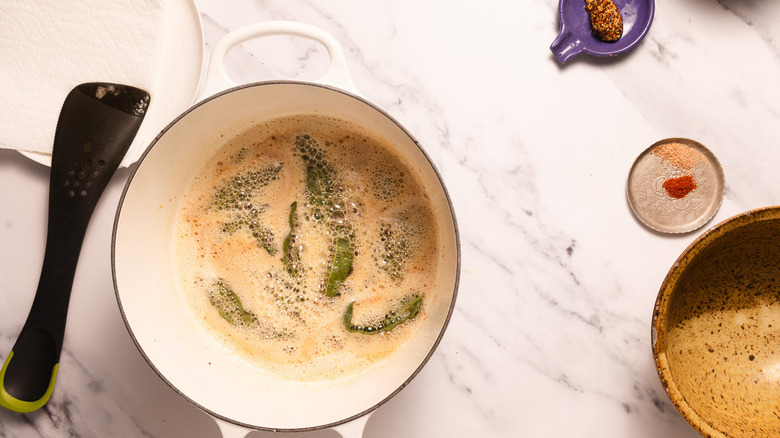
Add the sage leaves to the brown butter and fry until crisp and the bubbling slows, about 45 seconds.
Step 6: Remove and drain the sage
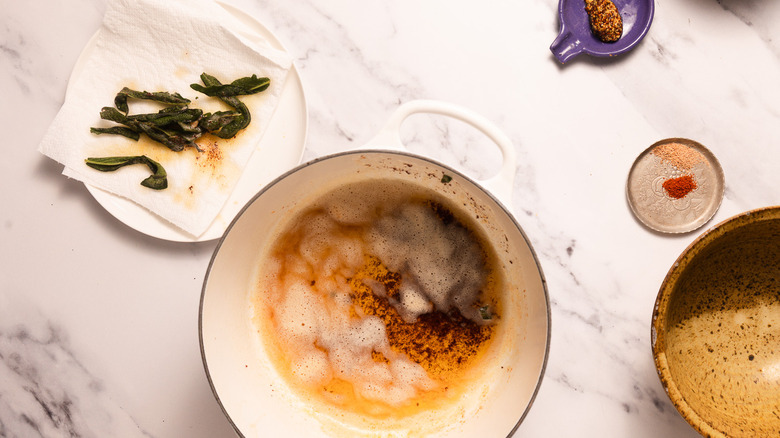
Transfer the leaves with a slotted spoon to a paper towel-lined plate and sprinkle with the flaky sea salt. Leave the butter in the pot.
Step 7: Make the roux
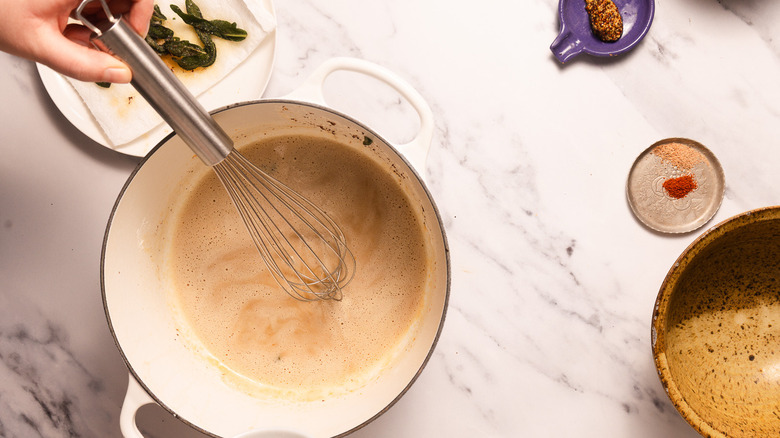
Whisk the flour into the brown butter and cook for 1 minute, until it smells toasty.
Step 8: Build the béchamel
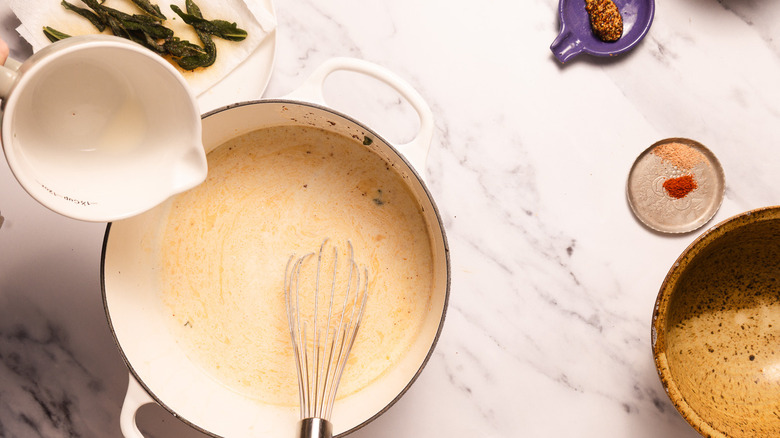
Slowly whisk in the warm milk and cream until smooth. Simmer, whisking often, until the sauce coats the back of a spoon, 5 to 6 minutes.
Step 9: Finish the sauce
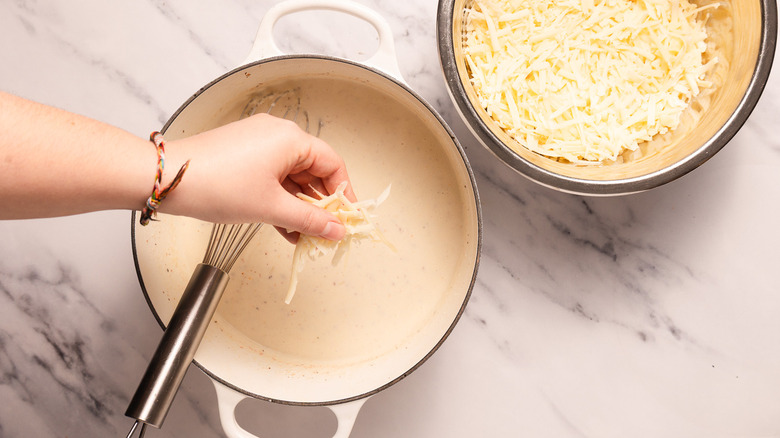
Remove from the heat. Whisk in the Dijon, nutmeg, cayenne, 1 teaspoon kosher salt, and black pepper. Add the Gruyère, Comté, and Manchego a handful at a time, whisking until each addition melts.
Step 10: Pour the sauce over the pasta
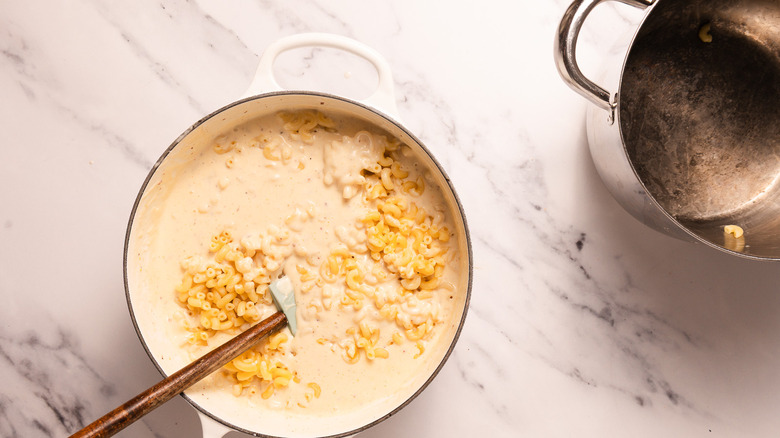
Pour the sauce over the pasta and stir to coat. Transfer the pasta to the prepared baking dish.
Step 11: Bake the mac and cheese
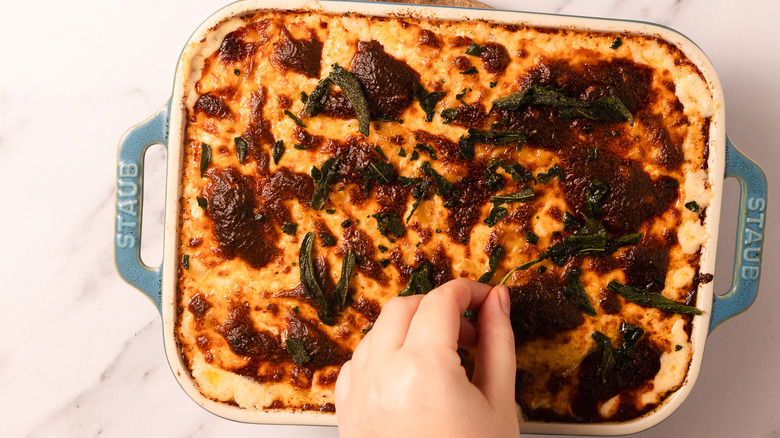
Bake for 15 minutes until bubbling at the edges and golden. Let rest for 10 minutes, then top with the fried sage.
Step 12: Serve the nutty brown butter mac and cheese
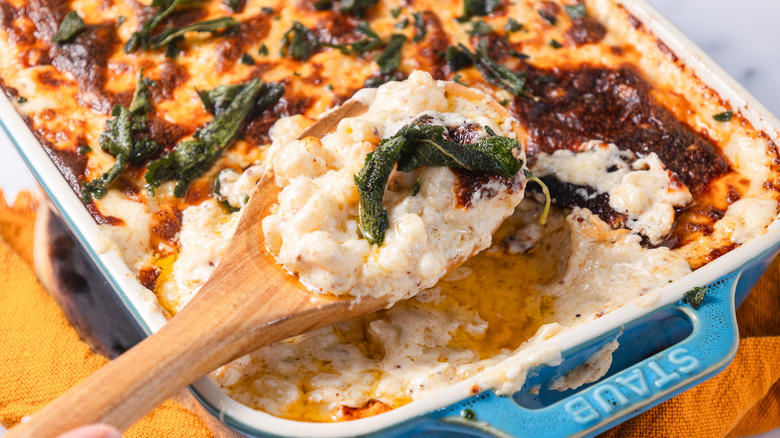
Serve brown butter mac and cheese immediately.
What can I serve with this elevated mac and cheese?
Nutty Brown Butter Mac and Cheese
A trio of cheeses (Gruyère, Comté, and aged Manchego), brown butter, and Dijon elevate this creamy mac and cheese into a sophisticated yet comforting meal.
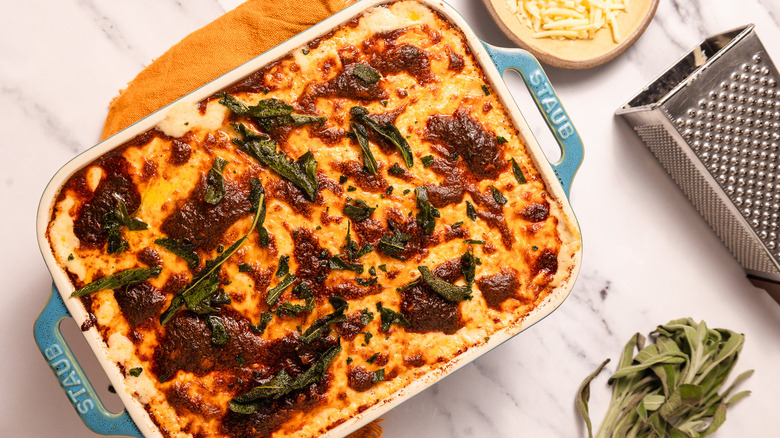
Ingredients
- 9 tablespoons softened butter, divided
- 2 tablespoons + 1 teaspoon kosher salt, divided
- 1 pound elbow macaroni or cavatappi pasta
- 24 fresh sage leaves
- ¼ teaspoon flaky sea salt
- ⅓ cup all-purpose flour
- 3 cups whole milk, warmed
- 1 cup heavy cream
- 1 teaspoon Dijon mustard
- ¼ teaspoon ground nutmeg
- ¼ teaspoon cayenne pepper
- ½ teaspoon black pepper
- 8 ounces Gruyère, shredded (2 cups)
- 8 ounces Comté, shredded (2 cups)
- 4 ounces aged Manchego, finely grated (1 cup)
Directions
- Preheat the oven to 400 F.
- Brush a 9x13-inch baking dish with the 1 tablespoon of softened butter.
- Bring 4 quarts water to a boil in a large pot and add 2 tablespoons kosher salt. Cook the pasta 2 minutes short of the package time, until very firm. Drain and return to the pot.
- Melt 8 tablespoons of the butter in a large Dutch oven over medium heat. Cook, swirling, until the milk solids turn amber and smell nutty, about 5 minutes.
- Add the sage leaves to the brown butter and fry until crisp and the bubbling slows, about 45 seconds.
- Transfer the leaves with a slotted spoon to a paper towel-lined plate and sprinkle with the flaky sea salt. Leave the butter in the pot.
- Whisk the flour into the brown butter and cook for 1 minute, until it smells toasty.
- Slowly whisk in the warm milk and cream until smooth. Simmer, whisking often, until the sauce coats the back of a spoon, 5 to 6 minutes.
- Remove from the heat. Whisk in the Dijon, nutmeg, cayenne, 1 teaspoon kosher salt, and black pepper. Add the Gruyère, Comté, and Manchego a handful at a time, whisking until each addition melts.
- Pour the sauce over the pasta and stir to coat. Transfer the pasta to the prepared baking dish.
- Bake for 15 minutes until bubbling at the edges and golden. Let rest for 10 minutes, then top with the fried sage.
- Serve brown butter mac and cheese immediately.
What substitutions can you make to the cheeses in this recipe?
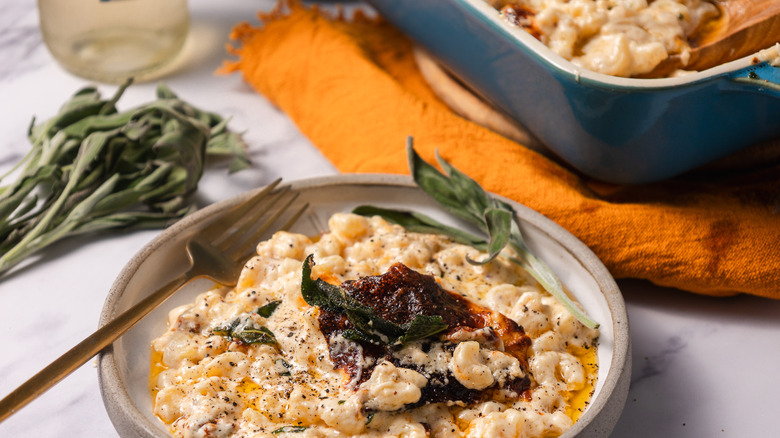
As we mentioned in the opening, the three cheeses used in this mac and cheese are paramount to its flavor. They were selected for both their individual flavor and for their melting capabilities. Gruyère and Comté are both closely related Alpine cheeses with a nutty, sweet character and excellent melting properties. They make the sauce smooth and cohesive. Since they're very similar to each other, you could use more or less of each one, but I don't recommend skipping either.
Manchego adds a dry, sharp note that keeps the sauce from tasting too sweet. Since it's the sharpest and driest of the three, aged Pecorino Romano or even Asiago can make close swaps, as they both grate well and dissolve into the sauce without making it grainy. Avoid Parmesan, as it can be overpowering.
The one thing I really do sub consistently in this recipe is the pasta. Elbow macaroni or cavateppi are traditional, but you can use any short pasta with ridges or curves that will hold the sauce. I've used rigatoni, fusilli, and even small shells, all to great results. Whatever shape you choose, undercook it by two minutes before transferring it to the oven to avoid making the dish overly mushy.
How do you know brown butter is ready?
Making brown butter may seem like an art form, but once you figure out the technique, the most important thing is just paying attention to the pan. Brown butter moves through stages quickly, and the difference between perfectly browned and burned is about 30 seconds.
To cook the perfect brown butter, your eyes and nose are going to be your most reliable tools. As the water content burns off, the butter will start to foam in the pan, then the foam will subside, and the milk solids at the bottom will begin to darken. Watch for amber-colored flecks and a nutty, toasted smell, as those are the two best signals the butter is ready. You can also use your ears, as the butter goes relatively quiet in the pan once the water has cooked out.
As soon as your butter smells nutty and the solids are golden brown, pull it off the heat. Don't let it get dark brown, as it'll keep cooking due to residual heat, and you may end up burning it if you leave it too long. Finally, my best trick for browning butter is to use a pan with a light-colored coating, as it makes the color change much easier to spot. Have your sage leaves ready to go as soon as you start cooking the butter, as it goes in immediately after.