

10 Vietnamese Foods You Should Try When You Get The Chance
We may receive a commission on purchases made from links.
When it comes to Asian cuisines, Americans are most likely to pick up Chinese, Japanese, or Thai takeout — those three account for 71% of all Asian restaurants in the United States — but that might be short-sighted. Sure, we love some General Tso's chicken (even if it ends up on the list of unhealthy dishes you should think twice before ordering from a Chinese restaurant), teriyaki, and pad thai, but life is all about branching out ... and Vietnamese food is a worthy candidate in that regard.
The classic dishes of Vietnam represent a patchwork quilt of influences. Vietnam was under Chinese rule for over a millennium, and spent time as a French colony. Sounds incongruous? Check out the traditional baguette that cradles a bánh mì sandwich! Trade from India and other Southeast Asian countries played its role on the culinary landscape as well. Tie all this together with native foods like freshwater fish, bamboo shoots, wild mushrooms, and certain ubiquitous herbs, and you have a rich, colorful cultural identity that's distinct and exciting to the Western palate, but somehow familiar and approachable.
As of 2023, the Food Institute had identified nearly 8,000 Vietnamese restaurants in America, proof that the country is waking up to the delights of this nation's grub. It's more likely than ever that there's a worthy Viet eatery in your vicinity. If you're adventurous and have access to an Asian grocer, you could even try your hand at cooking a few dishes. No matter how you access it, Vietnamese food is well worth trying out ... we bet you'll fall in love.
Phở
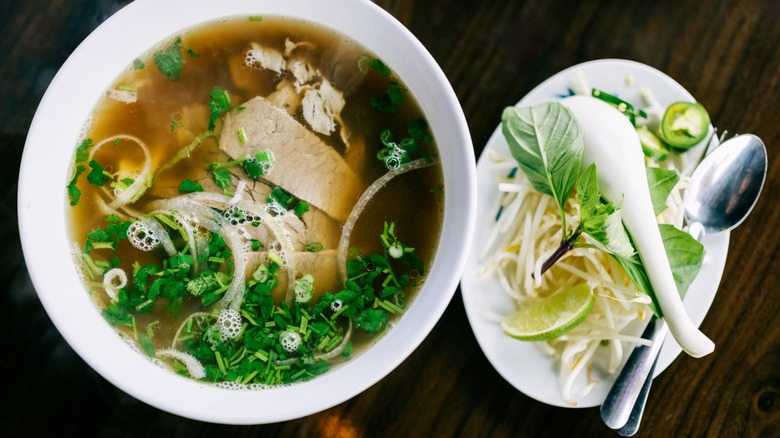
Like Julia Child's favorite soup, vichyssoise, you're unlikely to find phở in a can. Ideally, you get someone you love to make it for you — and love you, they must, because proper phở is an all-day affair. The heavily-spiced broth contains layers and layers of flavor and fragrance that can only come from a long simmer. Vietnamese cuisine is riddled with noodle soups, but phở is the one by which all others are measured, the national dish of Vietnam. Beef is the traditional protein, but we've also had delicious chicken phở, which has a milder savor. You can even make a veggie version with chunks of tofu. Don't forget the condiments — Thai basil, cilantro, bean sprouts, jalapeño, lime juice, hoisin, and sriracha are just a few of the usual suspects.
Vietnamese iced coffee (Cà phê sữa đá)
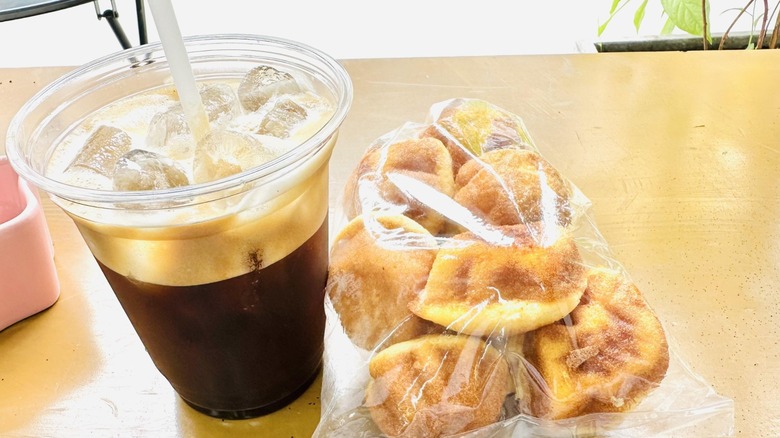
Any Vietnamese restaurant will have this ubiquitous quaff on the menu, but it's cheap and effortless to make at home. Of the gadgets you need for great home-brewed coffee, the apparatus for Vietnamese iced coffee should be one of them. A Vietnamese iced coffee dripper will run you less than 20 bucks on Amazon – this stainless steel version by Birdee has good reviews — and will pay you back in countless glasses of icy, sweet, strong coffee. The Vietnamese diaspora is fond of Cafe du Monde grounds, but any robust coffee will do. All you need is sweetened condensed milk and plenty of ice, and you have a craveable pick-me-up with eye-popping levels of caffeine and a silkiness from the canned milk that is perfectly *chef's kiss.*
Spring rolls (Gỏi cuốn)
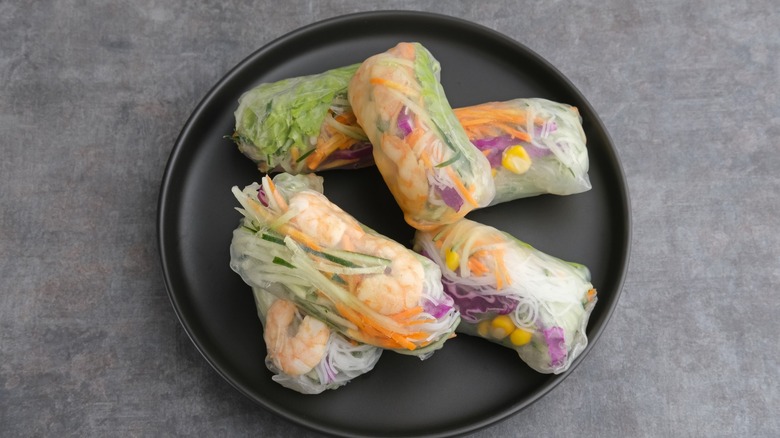
The difference between spring rolls and egg rolls is in the wrapper ... it's a distinction you can plainly see. Egg rolls are fried, but spring rolls are fresher and lighter. At holiday parties, Vietnamese families will sometimes make an assembly line to roll the lumpy, delicious parcels of herbs, veggies, and meats – the rice paper outer shell can be quite finicky to deal with! — but ordering them at a restaurant means less work and more time for dipping in a sweet hoisin-based peanut sauce. These are generally eaten as an appetizer, but they're hearty enough for a light lunch all by themselves.
Bánh mì
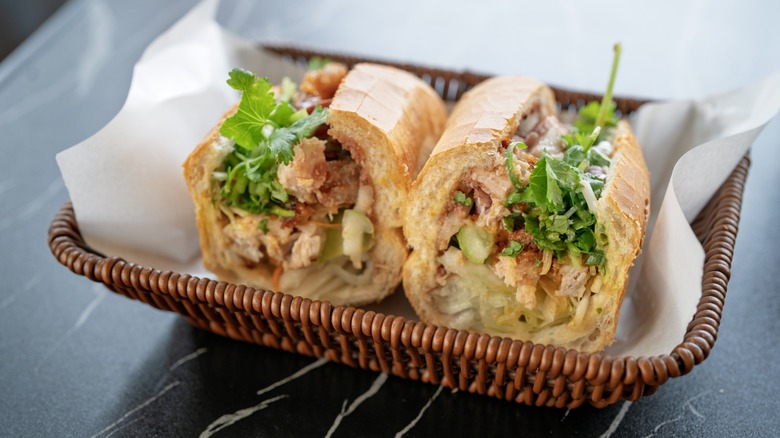
Bruce Springsteen's favorite sandwich, the PB&J, is to America what the bánh mì is to Vietnam: everyone has their own spin on how to make it special. This inimitable handheld is a snapshot of the country's time as a French colony – the wheat to make the crusty, tender baguette doesn't grow in that part of Asia, nor did Vietnam have carrots to pickle before European settlement. It's chockablock full of pâté, cold cuts, daikon, carrot, cilantro, and chili peppers. That's the blueprint, but you can stick so much more in this sandwich: regional and local additions include avocado, fried egg, lettuce, and just about any animal product that used to fly, graze, or oink ... to say nothing of tofu.
Bún bò Huế
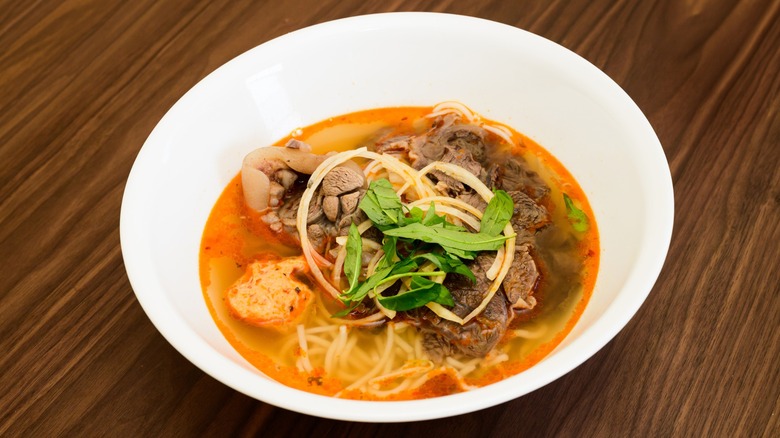
Anthony Bourdain thought that bún bò Huế was the best soup in the world, and sought it out at a specific stall in the city of Huế, where it originated. It's a beef noodle soup like phở, but the differences are significant – and not just because of the types of noodles used, which are round instead of the flat ones used in phở. Some squeamish types will balk at the chunks of congealed pork blood characteristic of bún bò Huế, but it's totally okay to omit it. You will also find banana blossoms in traditional bowls, but, since they can be hard to work with, expensive, and not easy to find, some American restaurants will sub red cabbage. The broth is spicy and gets its bold color from annatto, a natural food coloring.
Rice porridge/congee (Cháo)
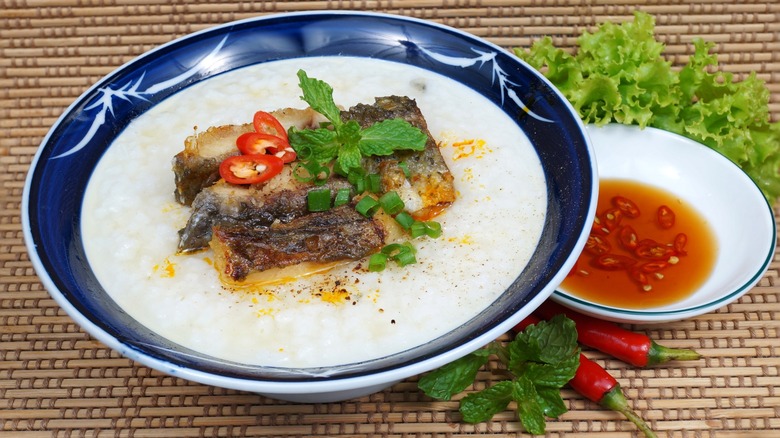
In a world where meatloaf had its origin as a breakfast food, it shouldn't surprise you that a hearty porridge has 24/7 appeal, depending on what you put in it. Congee is usually eaten for breakfast, but you can dress it up at any time of day. Served with chicken and a soft-boiled egg, it's a comfort food that's the Vietnamese equivalent of mom's chicken noodle soup. Whether you have a fever or a hangover, some congee will fix what ails you ... and, with the addition of ginger, the palliative effects on your troubled belly aren't a placebo. We've also seen pork belly or slivers of rare beef served with congee — it's a great blank slate for most proteins.
Pork vermicelli salad (Bún thịt nướng)
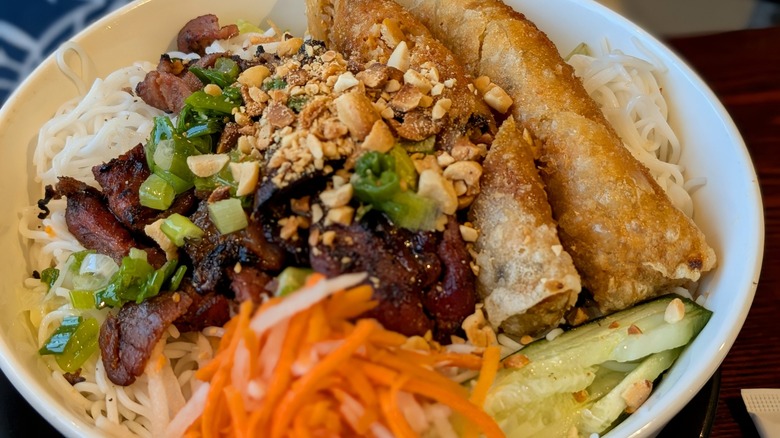
Instead of walking out of Chipotle mid-order because your bowl is miserly and expensive, try the Vietnamese analog: a "salad" made of cold noodles topped with luscious meats and refreshing toppings. Pork is a classic topping for this salad, but it's far from the only one. A "bún" salad can also be topped with lemongrass-spiced chicken, beef, or even fish. The crunchy fresh vegetables like cucumber, daikon, and carrot are sweet and refreshing, and a sprinkling of diced peanuts add protein and crunch. Mom-and-pop Vietnamese restaurants will serve your salad with a side bowl of light fish sauce for dressing.
Broken rice plate (Cơm tấm)
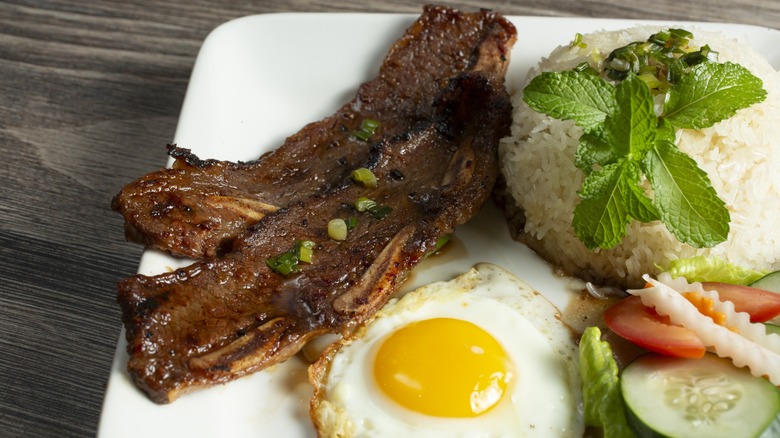
You know the difference between basmati and jasmine rice; now, get to know broken rice. Although it's more expensive than jasmine rice in America, broken rice is a discount product in Vietnam because it consists of imperfect and irregular rice grains that are damaged during the milling process. Like vermicelli salad, broken rice is usually served as a combo plate with grilled proteins, perhaps a fried egg, plenty of crisp veggies, and fish sauce. Think of this as an opportunity to enjoy a complex melange of textures, temperatures, flavors, and food categories on one plate, all unified by that staple of Vietnamese life ... rice!
Durian ice cream (Kem Sầu Riêng)
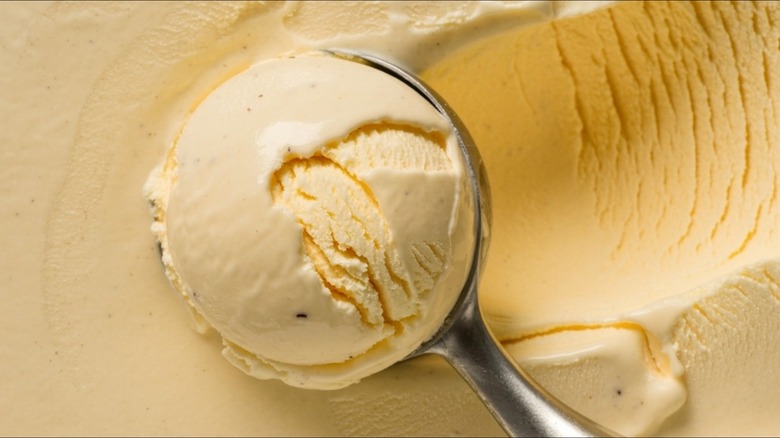
Remember when a spicy Publix brand ice cream flavor got mixed reviews? Hot honey ice cream has nothing on ice cream made from the durian fruit, the smell of which is so pungent that it's sometimes illegal to carry one on a train car. Ice cream is actually the perfect medium for durian, because its creamy sweetness is a natural pairing for dairy desserts, but the freezing process tempers its legendary odor, which some have compared to hot, stinky garbage. Durian ice cream is mainstream enough that some American Costco locations have carried it, even if it's still a bold choice for the uninitiated. Consider muting it further by mixing it down into a durian milkshake, a spin on another popular choice.
Vietnamese crepes (Bánh xèo)
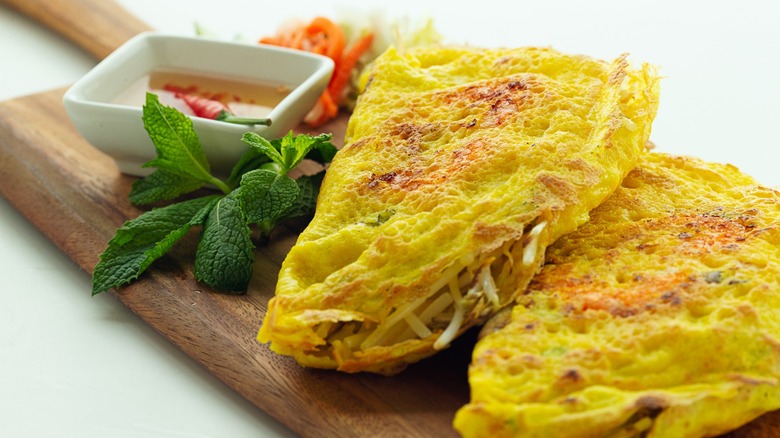
You can make boxed pancake mix super fluffy with eggs, but, despite looking like it, bánh xèo has no eggs at all! These crepes are made with a rice flour batter. The "xèo" part of the name, which is pronounced like "zow," is onomatopoeia meant to evoke the sizzle of the mixture hitting a hot skillet! Usually, you stuff these crepes while the batter is still sticky with pork and shrimp, fold them over, and serve them alongside crisp greens for a savory textural contrast. The yellow coloring that makes them appear so much like an omelet is turmeric, which adds earthiness to the crepe.