

11 Slept-On Fruits And Veggies That Are Easy To Grow At Home
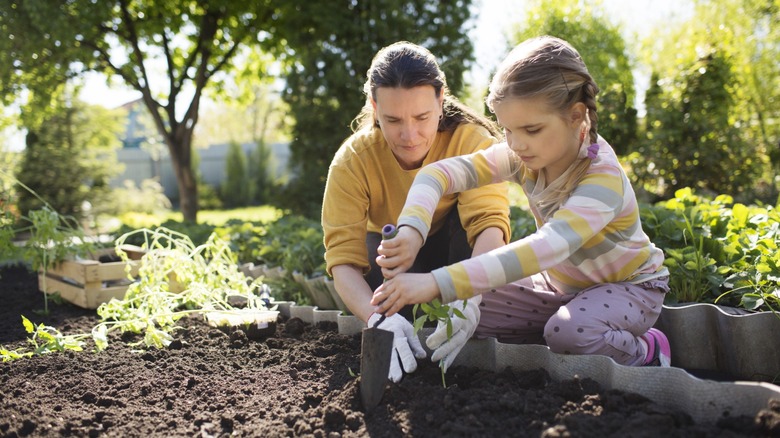
When you think about a home garden, some generalities come to mind. Your average person with a garden might be using coffee grounds as fertilizer for their vegetables, because that's a popular tip. They are likely wondering why their tomato leaves always turn yellow, too. And, speaking of tomatoes ... they likely grow them, along with other usual suspects like peppers and cucumbers, or maybe radishes and squash, if they're feisty. But it may feel like most Americans don't venture too far off the beaten path when it comes to their growing choices.
Come to find out, however, there's a whole world of uncommon produce that you could be growing at home — and without much extra effort, at that! Rather than planting another cultivar of tomatoes (even a really cool one like the rare heirloom Noire de Cosebœuf), how about pulling something fun and unique from this list? You'll be the center of attention when community members come together to swap excess from their bumper crops, and, if nothing else, your lovingly curated social media garden pictures are going to be unlike anyone else's. Plus, come harvest time, you'll get to experiment with cooking something different instead of your 10th loaf of zucchini bread. Let's also not forget that fun, sweet fruits that will make you the envy of all your neighbors!
Cucamelons
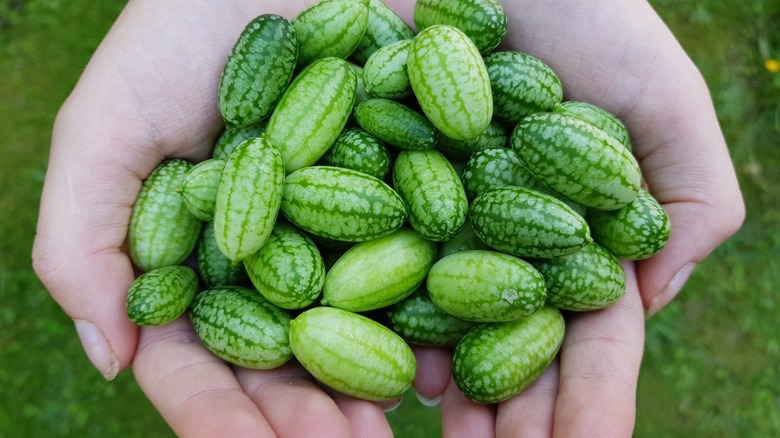
The cucamelon, which is sometimes known as a mouse melon or Mexican sour gherkin, looks like a teeny-tiny watermelon and tastes like a citrusy cucumber. Many say it's delightful when pickled! Furthermore, it is darn near effortless to grow, thanks to its high drought tolerance, resistance to many diseases, and an easygoing disposition in the face of hotter and cooler weather alike. As a vining plant, it will need a trellis, but otherwise won't ask for much. Maybe use an old wine bottle as an easy way of watering this plant?
Egyptian walking onions
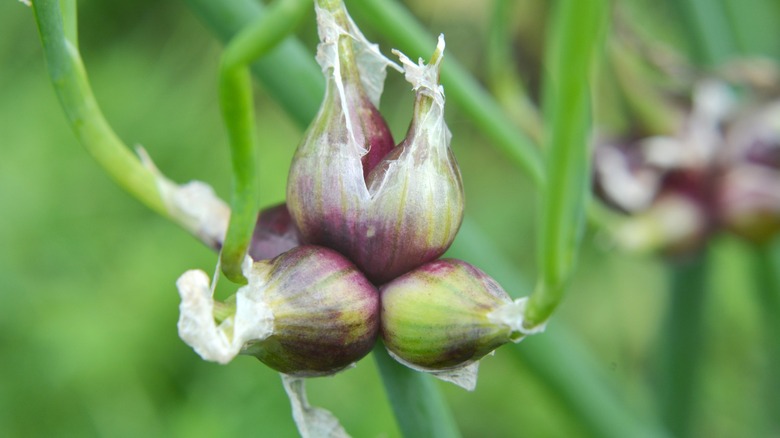
As the song says, walk like an Egyptian! These onions "walk" across gardens by falling over when their top-heavy bulbils droop into the soil and self-replant. As you can imagine, this plant is very fruitful when healthy ... and it doesn't take much to keep it that way. Although Egyptian walking onions can be grown from seed, all you really need are a few buried bulbils. USDA zones 3-10 are all accommodating for this plant. And while there's a (minor) difference between scallions and green onions, the green parts of these plants can be eaten like either one.
Purple potatoes
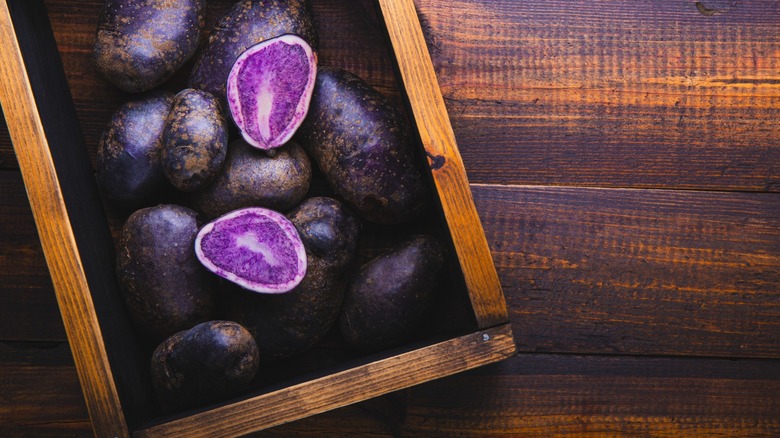
Yams and sweet potatoes may not be the same thing, but purple potatoes are very similar to their white, yellow, and red counterparts — just with more antioxidants! You can't deny that they look way cooler, to boot. Plant purple potatoes in the springtime for a summer or early fall harvest. Most cultivars require only partial sun, slightly acidic soil, and plenty of moisture. They are hardy, and some varieties are even disease-resistant. There are a few different types of purple potatoes, meaning that there's probably one that suits your growing zone.
Orach
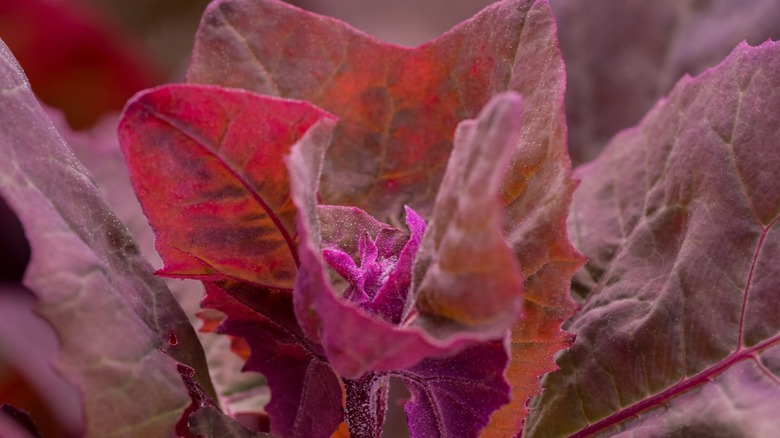
We know how to store spinach in a salad spinner to make it last longer, but how about a hardier substitute? Orach, also called mountain spinach, is bigger, more colorful, and more resistant to heat and salt than regular spinach. It shines in your salad bowl and is beautiful in your garden. Anecdotally, slugs don't mess with it much. The plants thrive in full sun, but can take some shade. Your only issue might be it growing too big, as a thriving orach plant can reach 10 feet tall!
Sugar beets
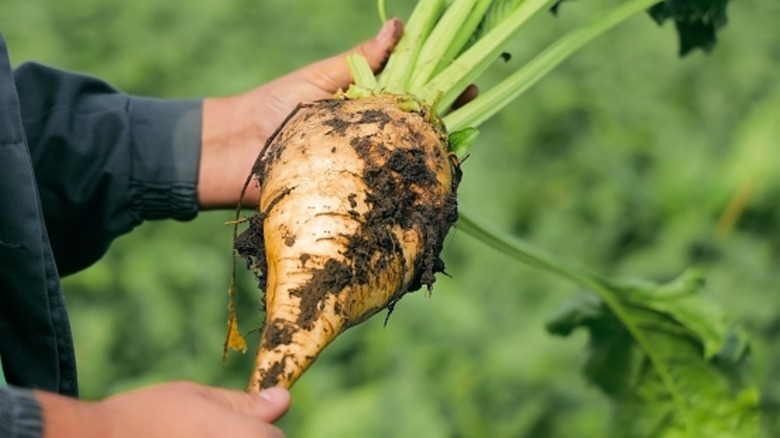
Do you prefer white or brown sugar in your coffee? How about beet sugar? Making sugar from sugar beets is a labor-intensive (but not impossible!) process, but, luckily, growing the sugar beet is not. This plant is perfect for forgetful gardeners, as it tolerates infrequent watering. Just thin your seedlings out once they sprout, give them room to grow, and you'll be off to the races! It's best not to harvest sugar beets until after the first frost, as that frost makes them sweeter.
Peanuts
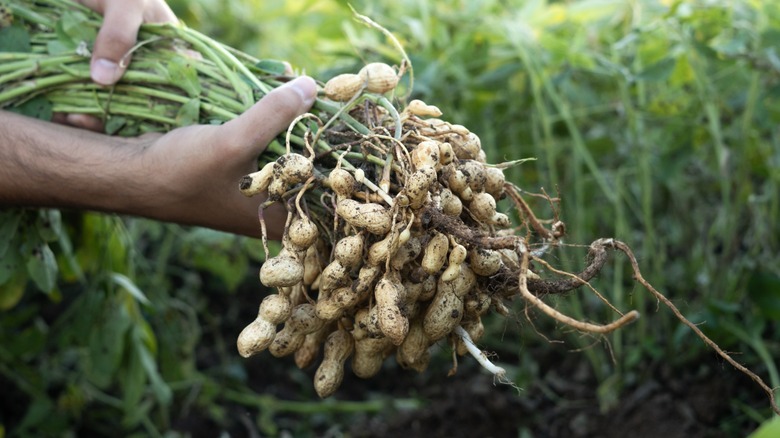
If you grow your own peanuts, you'll always have what you need for the regional combo of peanuts and Coke! Some folks think that peanuts can only grow in the South, since they need such a long, warm growing period, but you can easily start them indoors in containers. Actually, you can keep them in containers and grow them almost effortlessly on your patio or deck! Peanut plants are tough and don't ask for much besides sunlight and water. For fertilizer, they only need potassium and phosphorus ... being legumes, they already fix their own nitrogen.
Horseradish
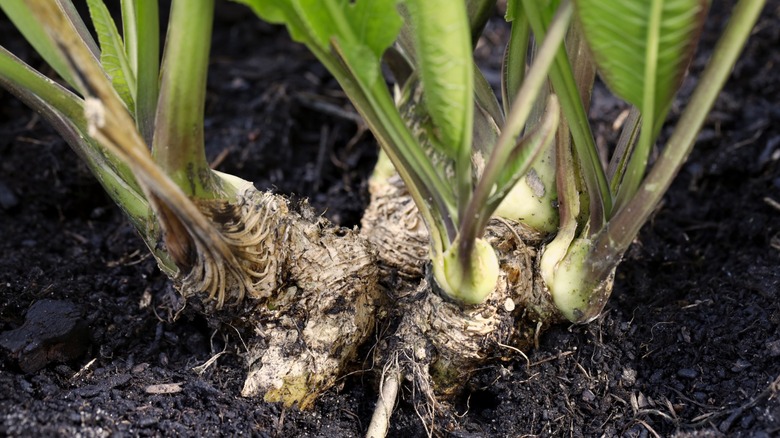
What's the point in studying Alton Brown's method for wrapping a prime rib roast in cheesecloth if you don't have some horseradish to serve on the side? As many a fine source has noted, horseradish can basically be ignored for much of the time. All these plants need is once-a-week watering, some compost, and for you to clear the weeds every now and then. They especially like cooler climates and room to really grow. Notably, horseradish isn't really ready to eat until it's been growing for a year and gone through a good frost, so it's best to get it going now!
Oyster mushrooms
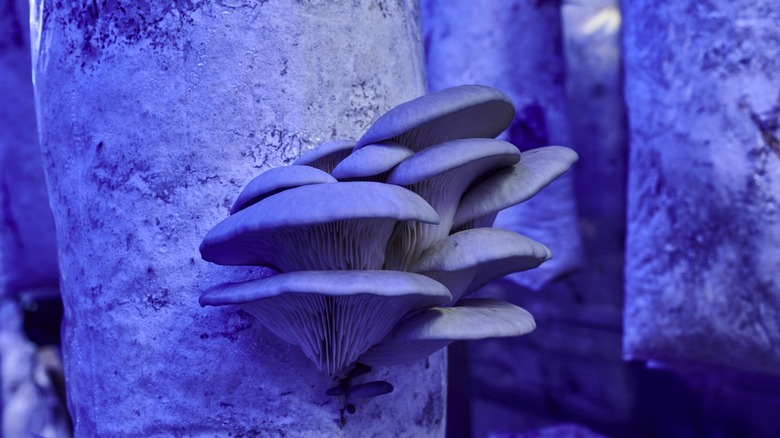
These fungi might not flourish in your actual garden, per se, but mushrooms are an awfully nifty thing to grow at home and can be served up just fine alongside the best veggies. Oyster mushrooms are one of the easiest fungi for beginners to start with, in addition to being delicious. You can purchase a mushroom growing kit or make your own using mycelium starters and sterile substrate like pasteurized sawdust. Placed in indirect light and given enough time, your setup will sprout mushrooms! All you really need to do from there is harvest and avoid the list of mistakes everyone makes when cooking mushrooms.
Okra
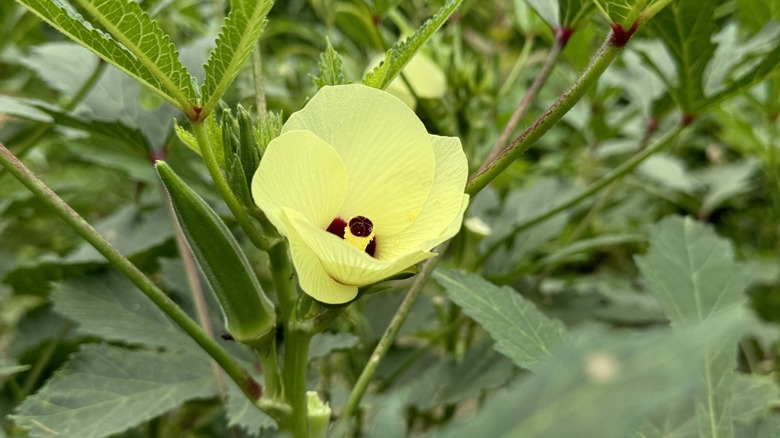
Okra is a dramatic plant to behold, with its vibrant, hibiscus-like blooms, but it's simple to grow in the right environment. Okra likes neutral soil, full sun, and well-drained soil. If you live somewhere colder, start your plants indoors. Wondering how often to water your veggie garden? Okra needs about an inch of water a week, though it might need more when temperatures are really hot. Other than that, it likes 10-10-10 fertilizer and freedom from weeds. Don't be surprised when the plants get as tall as you are!
Nanking cherry
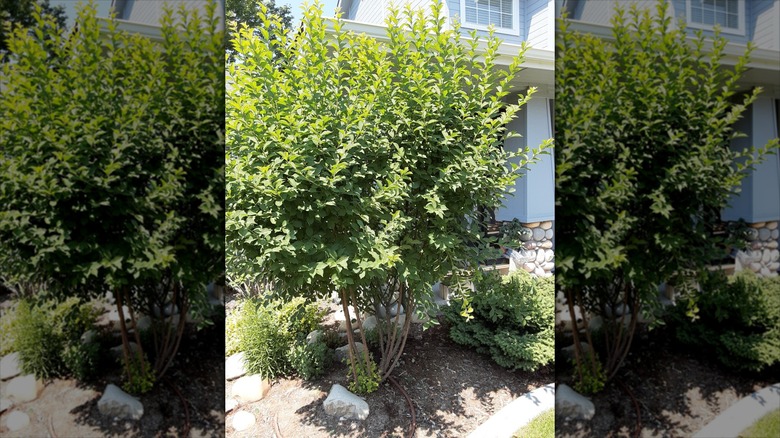
Cherry delight is an easy dessert, and Nanking cherry, named for the Chinese province from which it hails, is easy to grow. It's a true cherry, meaning that it tastes sweet and tart, similar to the ones you see at the supermarket. However, many report that it's mindbogglingly easy to propagate and grow. Generally, the only precaution home gardeners have to take is cutting it back so it doesn't take over the garden! Nanking cherry tolerates both hot and cold with ease. In exchange, you will get a bounty of tiny, tasty cherries.
Pawpaw
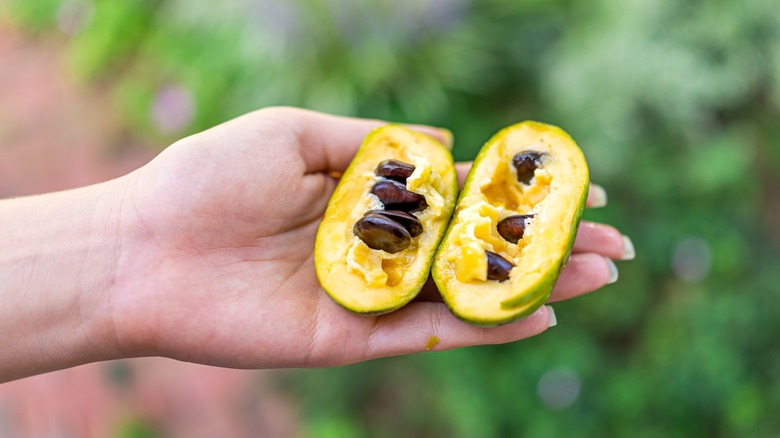
The American pawpaw, a native fruit, has been called a custard apple. Unlike the apple varieties that are best for snacking, the pawpaw has a rich, creamy flesh that some have compared to an untoasted crème brûlée. Because it's native to North America, pawpaw trees don't need a lot of convincing to grow in many warmer zones, so long as they have well-drained soil and plenty of sun. They're hardy, undemanding, and very pretty to look at. They've even been called the perfect backyard tree and are a worthy addition to your garden, both visually and in terms of yield.