

6 Low-Cost Ways To Get Aphids Off Your Tomatoes
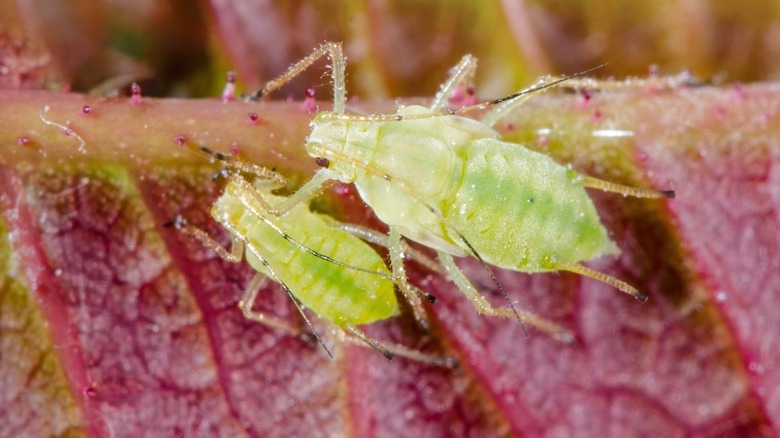
You can prevent your tomatoes from cracking with the proper watering technique, but you can't always prevent aphids in your garden. If you notice your tomato plants' leaves yellowing or curling, it may be the fault of small insects called aphids, which suck the sap from unfortunate garden denizens like tomato plants. Aphids can be seen with the naked eye, usually on the undersides of leaves. The sap they steal contains vital nutrients your tomato plants need, and being deprived of it can weaken your plants and leave them open to disease and wasting. Aphids can be a real scourge, appearing as if out of nowhere and reproducing rapidly and plentifully.
It's not all bad news, though. Just like you already have a natural tomato fertilizer in egg shells you would otherwise throw away, so does your home already contain several low-cost remedies for aphids. There's no need to spend lots of money on pesticides that you probably don't want around your edible plants, anyway — what you need might be sitting right in your pantry. Note that none of these items are a guarantee against aphids, which can be tricky to get rid of. You might have to deploy multiple methods to find which one works for your situation. Luckily, all these suggestions are easy and non-toxic, meaning that your efforts are all safe for your tomato plants.
Soap and water
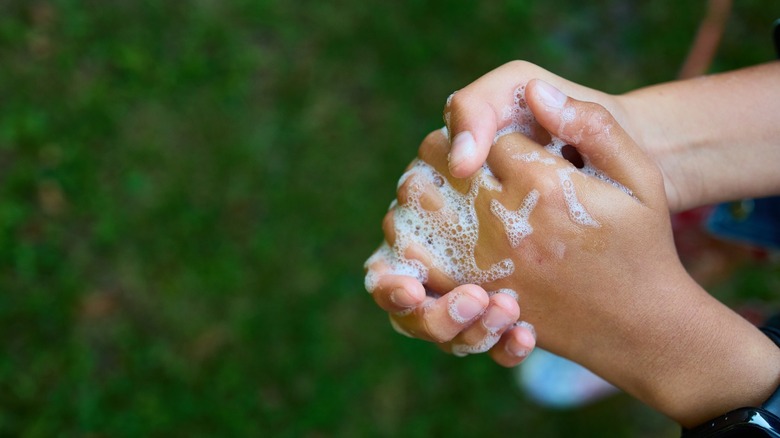
A simple soap-and-water solution, possibly with vegetable oil and/or cayenne pepper added, is a great way to repel aphids. Use a sprayer bottle to spray the affected areas of your plant(s). It's best to do this early in the morning or late at night, especially if you incorporate oil in your sprayer. The cayenne pepper will make the leaves unattractive for future infestation, so it's a worthy add-in.
Flour
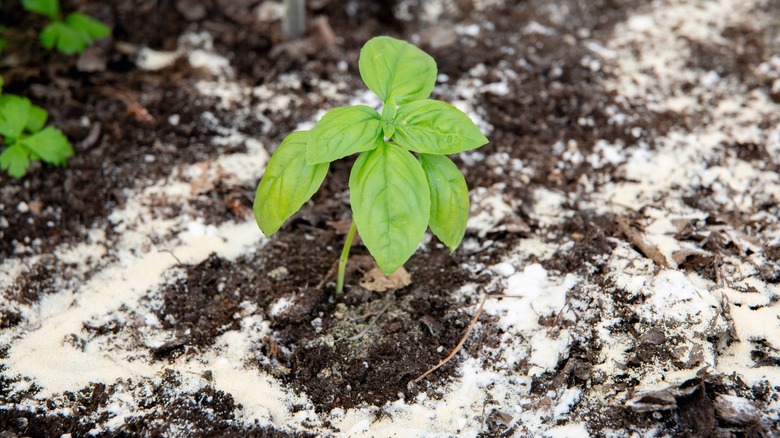
Flour adversely affects aphids – the theory goes that, when ingested, it clogs the excretory mechanism of the bug and kills it. All you need to do is lightly sift flour over your affected plants ... just use a regular kitchen sifter. Note that your plants should be completely dry when you do this so that the flour doesn't clog the delicate stoma. Repeat the flour application until all the aphids are gone. Once you've curbed the infestation, rinse any excess flour away.
Companion planting
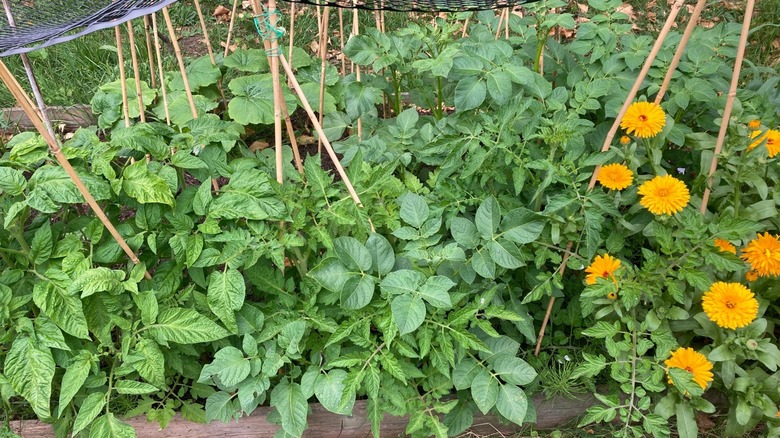
We've discussed that there are plants you can grow adjacent to tomatoes for a better harvest, and companion planting can also help repel aphids. Strong-smelling herbs like rosemary and basil not only promote healthier growth of your tomatoes, but their scent scares aphids away. On the other hand, flowers from the daisy family will look pretty in your garden and attract pollinators like ladybugs that feast on aphids and control the population. There are a lot of options for effective companion planting with tomatoes, many of which come with pesticidal bonuses.
Spraying away with water
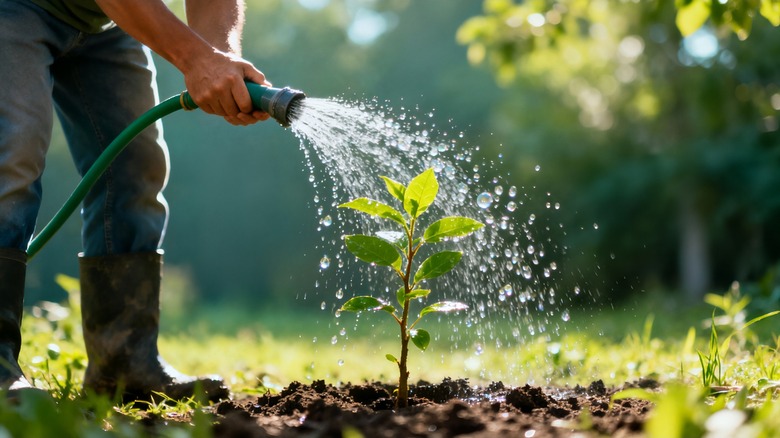
One way to grow tomatoes to their best flavor potential without them getting ruined by aphids is to spray those suckers off with a vigorous stream of water from your hose. Physically removing aphids is a valid way to dispel an infestation, especially in the early days of infection, and spraying them with water is a lot more efficient than one-by-one removal by hand. Keep in mind that smaller plants can't be blasted too hard, so take appropriate water pressure into account.
Vinegar
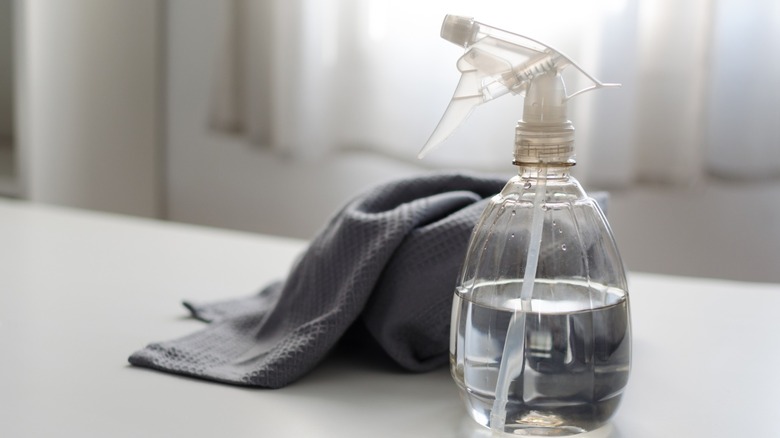
You can clean your dishwasher with vinegar, and you can kill aphids with it, too. Just mix a half-and-half mixture of water and white vinegar in a spray bottle, and apply to the affected areas of your plants. This method should be used with a modicum of caution, as too much vinegar can be bad for your plants themselves. Still, in the case of more severe infestation, this might be just the silver bullet you need to effectively rid your garden of troublesome aphids.
Cinnamon
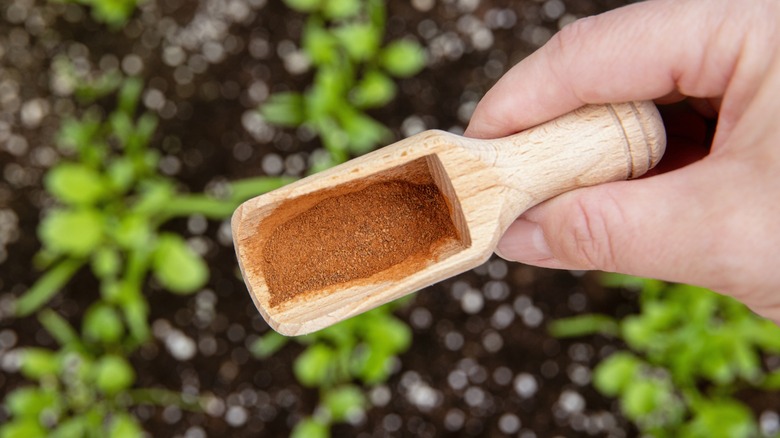
Cinnamon offers a roundabout way of eliminating the ravages of aphid infestation from your garden. It's a lesser-known fact that aphids enter gardens by catching a ride with ants. Cinnamon repels ants, which, in turn, prevents aphids from getting a crack at your plants. Just sprinkle ground cinnamon at the bases of your tomatoes, and let nature take its course.