

7 Veggies You Should Never Plant Together In Your Garden
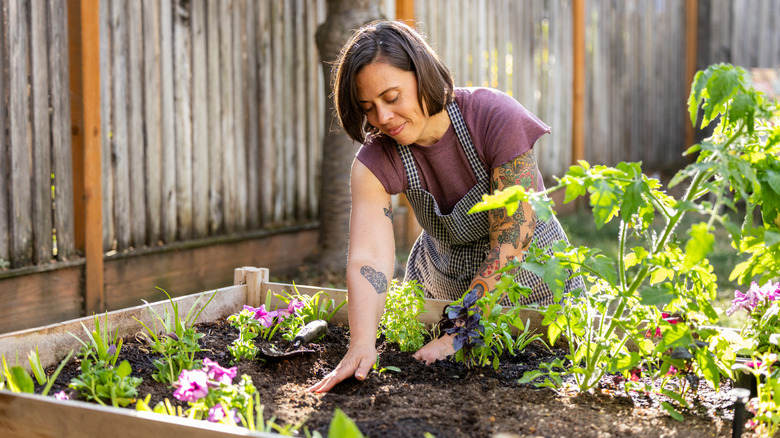
There's a clever reason to plant basil and tomatoes together in your garden, and it's not (just) because they're the two stars of an amazing marinara sauce. Companion planting is a time-tested gardening strategy in which compatible plants with a symbiotic relationship are planted near one another to improve yield or quality. The celebrated "three sisters" of Indigenous cuisine were planted together on the same principal: corn, beans, and squash all nourish each other as they grow, in addition to tasting delicious in traditional dishes.
But, just as some plants grow together in harmony to each other's mutual benefit, so is it true that certain garden veggies need to keep their distance from one another because these plants stunt or even harm their companions. Other bad neighbors might invite pests or lead to bad-tasting produce. You might be surprised at the fact that some garden heavyweights actually don't play nice with other popular veggies, and their pairings should be avoided. Knowing what companion plants to avoid can help you ensure a healthy, thriving garden and keep your plants growing happily.
Tomatoes and potatoes
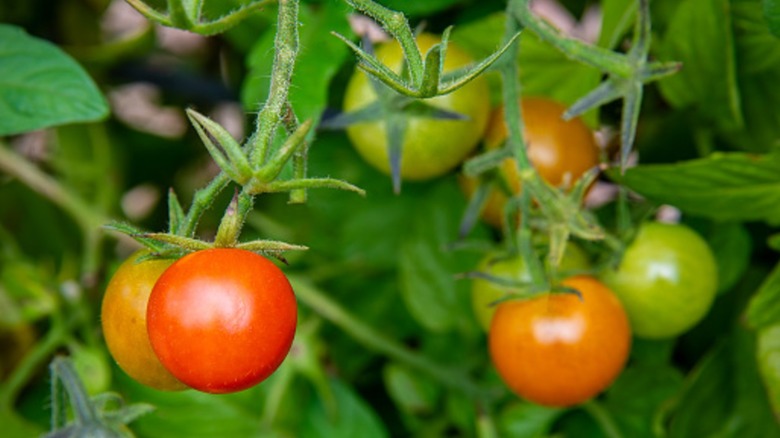
You can grow potatoes in a pot to save space, but don't plant them beside your potted tomatoes in the same vessel! Potatoes and tomatoes are incompatible for planting together because they're too similar: both are members of the nightshade family. Accordingly, they are susceptible to many of the same pests and suck many of the same nutrients from the soil. If you grow them in the same plot, you might find yourself battling insects all summer long and having to dump heaps of extra fertilizer into the soil as you hope vainly for the best.
Beans and onions
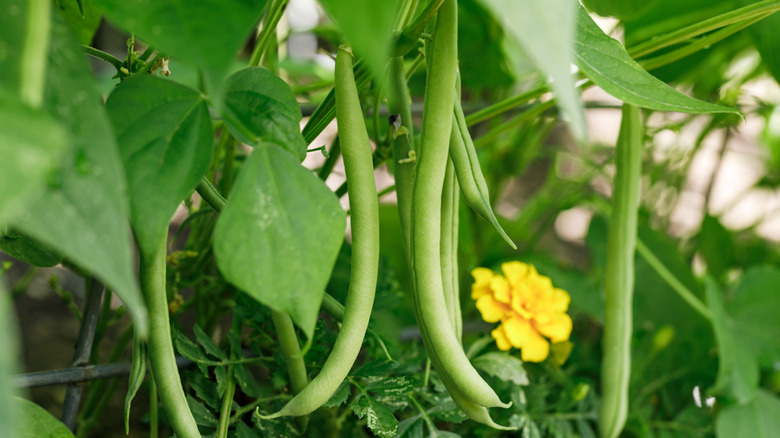
Onions — and other plants in the onion family, like leeks and shallots – can stunt the growth of beans. Likewise, the nitrogen-fixing superstars that are beans tend to have poor effects on onions. Beans tend to be picky about companion plants in general, but they go especially poorly with onions. The two may taste great together, but shouldn't come up side-by-side in the same garden patch. Interestingly, onions also have a negative impact on asparagus.
Fennel and... everything
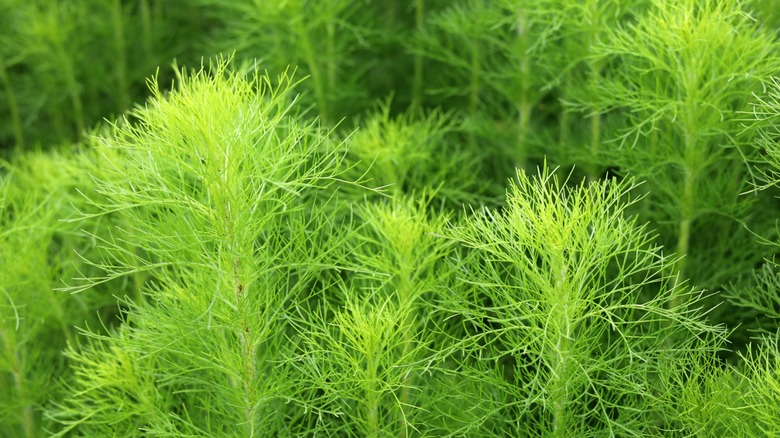
Chef José Andrés mixes fennel into lemonade to make refreshing "fennelade," but, if you want to duplicate the quaff, keep that fennel to itself. Fennel has allelopathic properties when it comes to nearby plants, meaning that it tends to stunt their growth and decrease their germination rate. It's a method of self-preservation on the part of fennel plants, but it tends to have unfortunate side effects for fennel's neighbors. For best results, isolate fennel in a pot or grow it at least two or three feet away from other plants.
Brussels sprouts and cabbage
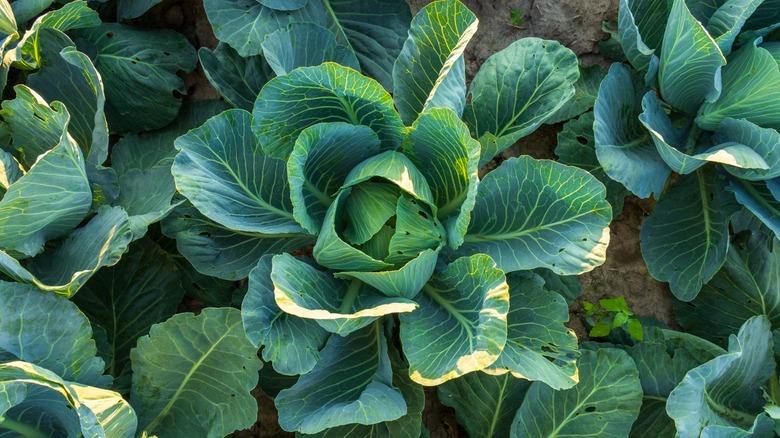
To effectively grow Brussels sprouts, keep them away from cabbage and other cruciferous veggies. Like tomatoes and potatoes, Brussels and cabbage are too similar to one another and share common pests. Aphids, squash bugs, and cutworms are just some of the vermin that you'll be battling ceaselessly if you plant these too close together. If you want both in your garden, plant a pest-repelling buffer like marigolds between them.
Broccoli and gourds
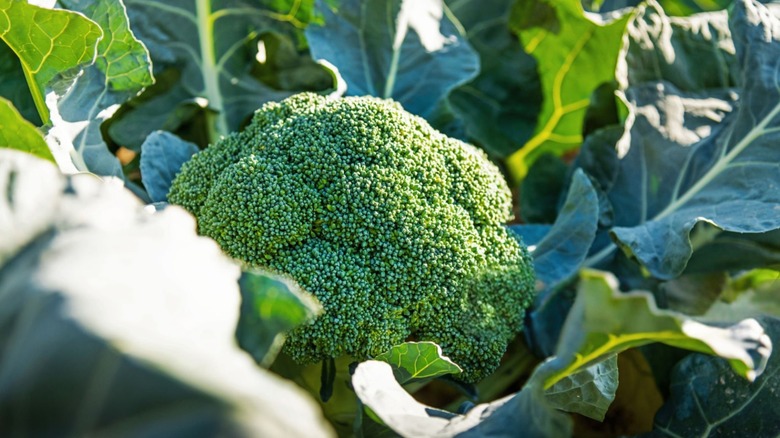
We love summer squash and basil burrata salad, but, for differing reasons, we need to keep all manner of gourds away from our broccoli plants. Pumpkins and broccoli, for example, will compete for soil nutrition since they are both classed as heavy feeders. On the other hand, other types of squash sprawl out in the garden bed and will steal space from growing broccoli. Carrots, however, are good companion plants for broccoli and will grow nicely beside these sprouts.
Cucumbers and tomatoes
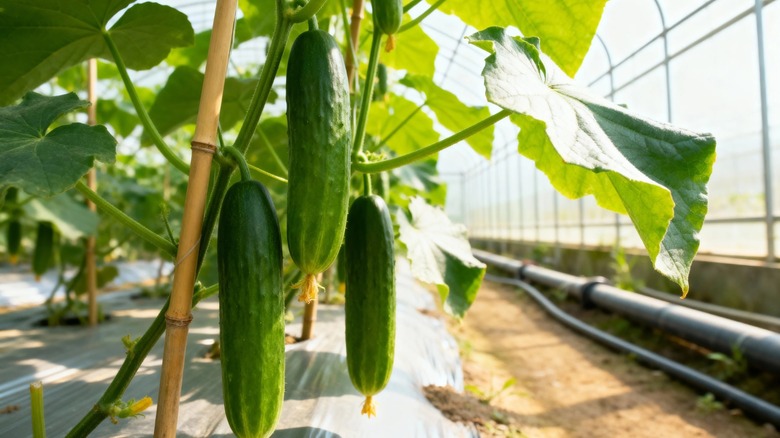
Cucumbers are a summer garden MVP (here's a list of the best varieties to grow on the East Coast), but, suprisingly, you shouldn't let tomatoes invade their personal space bubble. Cukes and toms are scrumptious partners in many a salad, but, as growing mates, they fight for similar soil nutrients and both need significant quantities of water. Furthermore, tomatoes and cucumbers are plagued by similar vermin, which can be a headache for home gardeners.
Carrots and parsley
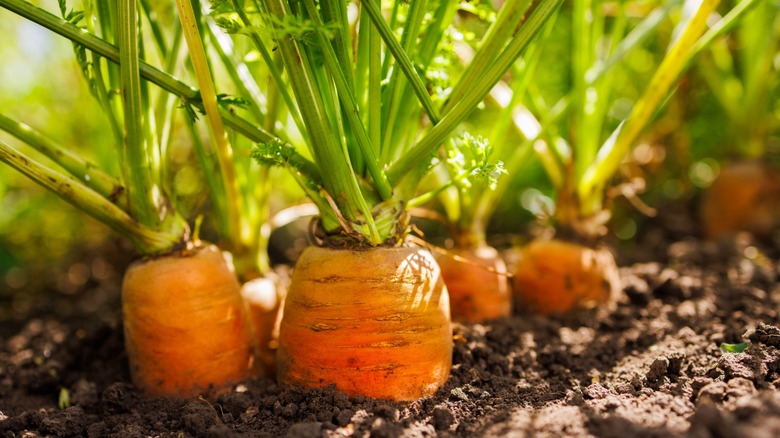
Whether you're roasting and glazing them, or spiralizing them for a salad, carrots are a great addition to your home garden. Parsley, a close relative of carrots, is one example of a family member that seriously harshens the vibes. Again, they share the same pests — particularly aphids, which can stunt the growth of young carrots — and have the unfortunate tendency to cross-pollinate. This can cause your carrots to have an unpleasant flavor.