

Grow These 8 Plants Next To Your Peas For The Biggest Harvest Possible
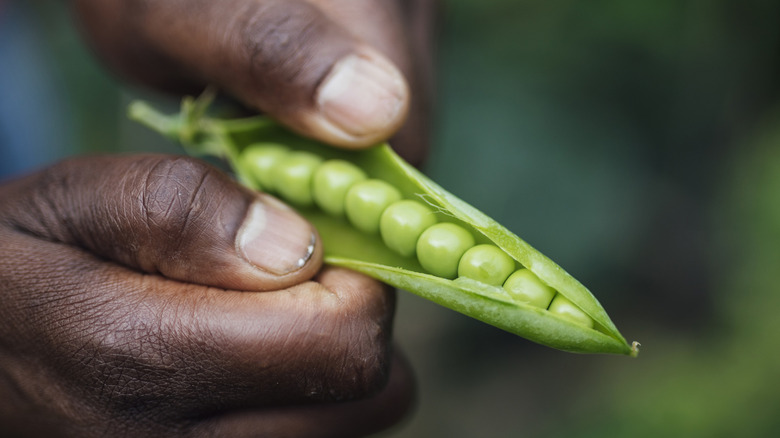
One of my strongest childhood memories is of eating peas, scooped with eager fingers straight from the pod and popped into my mouth. These bursting balls of bliss are one of the easiest and earliest crops to grow; going into the ground in February and March when winter slips into spring. With the exception of heavy clay, peas will fare well in most soils, but they're not fans of the summer sun, so don't wait around to sow them, and don't put them in the soil alone. We've previously clued you in on which companion plants that will boost your zucchini harvest, and how some species will help give you bigger lettuce. Now it's the turn of peas.
Whether you're sowing snow peas (also known as Chinese pea pods), which can be eaten whole when the legumes inside are barely formed; snap peas, whose fruits inside the pods are slightly bigger; or fully mature sweet or shelling peas, if you want them to thrive, don't put them anywhere near alliums. That can include leeks, onions, shallots, and garlic, as they emit ajoene, a compound that inhibits growth in legumes. Happily, there's a healthy number of companion plants that will help you get the biggest harvest ever from your crop of peas. Trowels at the ready!
Mint family members
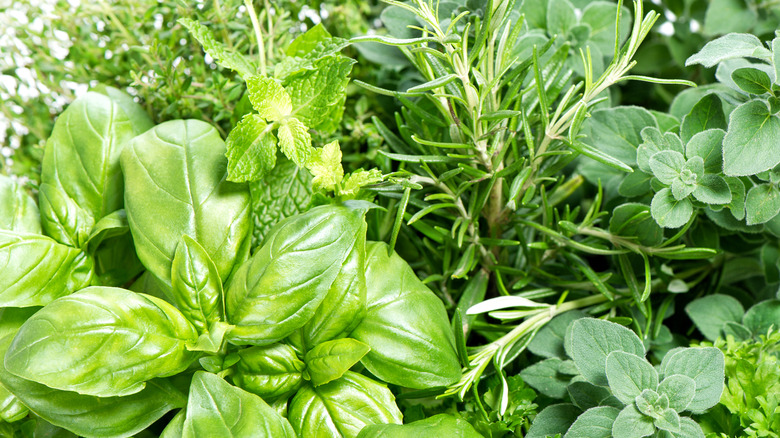
Planting mint straight in the ground could leave your neighbor fuming but your peas will adore it. This aromatic herb, along with other members of its extended family, which includes sage, basil, and rosemary, all emit strong odors. Humans may love them, but insects such as spider mites and aphids definitely don't and will give them a wide berth. As well as allowing your peas to mature into a bumper crop, the mint family makes a great companion plant for tomatoes, too.
Carrots and radishes
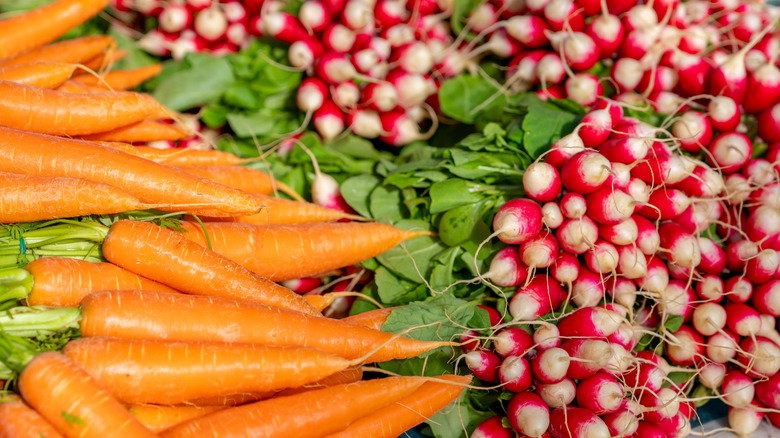
This nifty cornstarch hack makes planting carrots easy as pie, and that's not the only reason to grow both them, and radishes. These two root crops are excellent companions for peas as they help break up the soil, improving drainage. Because their taproots probe deeply into the ground, they also draw up more moisture, enabling the plants close by (hello peas!) to access more hydration and nutrients.
Sweet alyssum
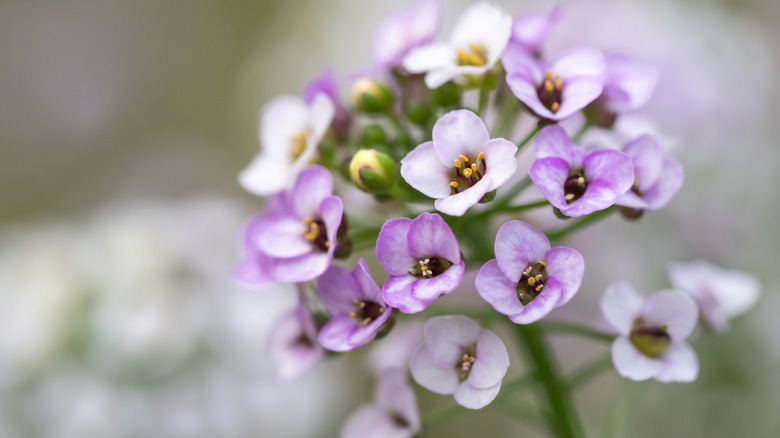
Every gardener who has ever sowed a pea knows the name of its nemesis: The pea aphid (Acyrthosiphon pisum). However, these greedy little critters are a feast for syrphid flies and parasitic wasps, and the nectar from sweet alyssum's oodles of tiny, pretty flowers has been scientifically proven to attract them in droves. You can plant your peas up to 50 feet away and they'll still be bug-free.
Early potatoes
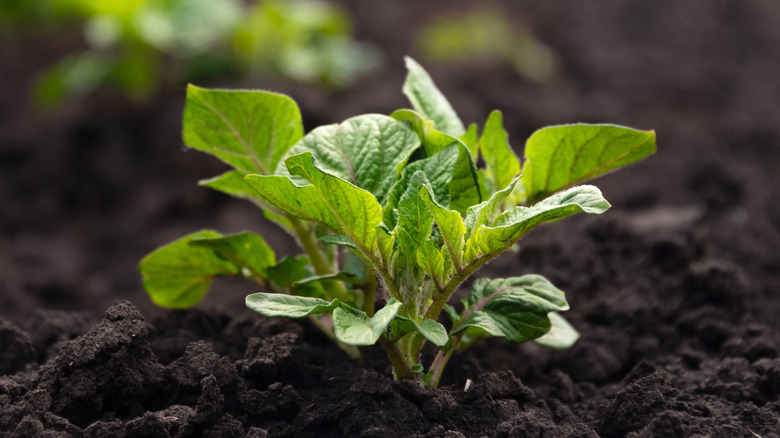
Spotting one or more Mexican bean beetles can be disastrous for gardeners growing legume crops, including peas. But instead of resorting to insecticides or picking off the larvae, which do the most damage, plant out some early potatoes alongside your peas (and beans, if you're raising them too). There is evidence that the tubers can repel these destructive bugs, though their effectiveness can vary from garden to garden.
Nasturtiums
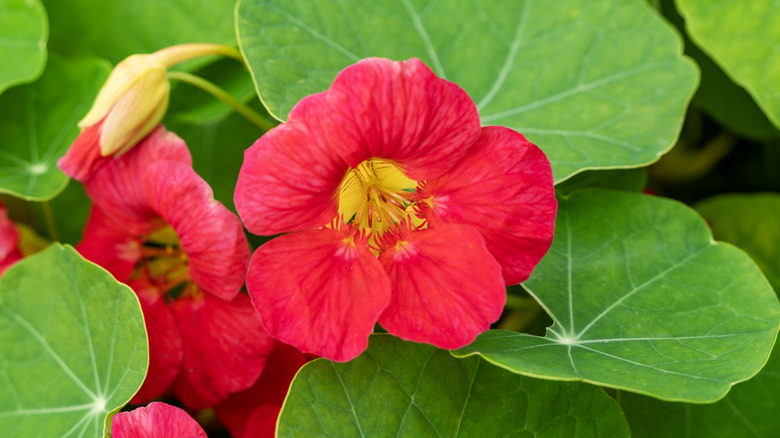
They're a nightmare to spell but nasturtiums are among the best companion plants for peppers – and peas too! Planted close to your snow, snap or sweet peas, they will act as a trap crop for aphids. Although the vivid nasturtiums can cope with being covered in many of the tiny bugs, it's not job done. You need to regularly check the plants to make sure they're not going from a trap crop to a breeding ground for aphids, putting your peas at risk.
Cilantro
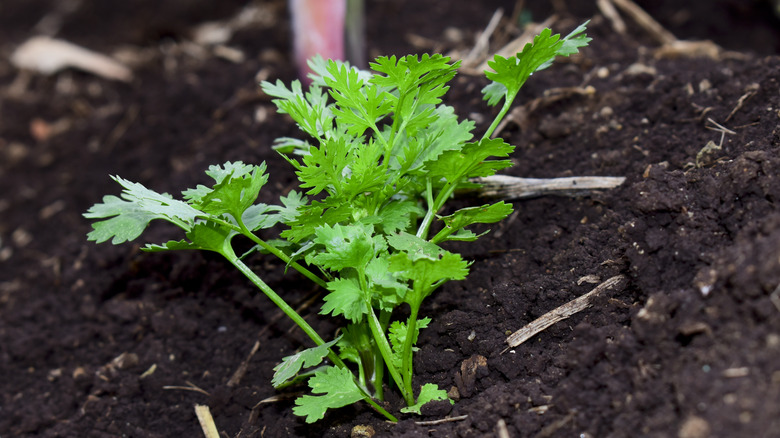
A member of the Apiaceae family, cilantro works in the same way as mint-related herbs to repel pests and protect your peas. It emits a constant stream of terpenoid volatile compounds, part of many plants' natural defense mechanisms, that benefit peas in two ways. First, cilantro's aroma blankets that of other plants, shielding them from aphids. Second, when the herb flowers, it also attracts beneficial insects, including wasps and flies, who will feast while your peas thrive.
Marigolds
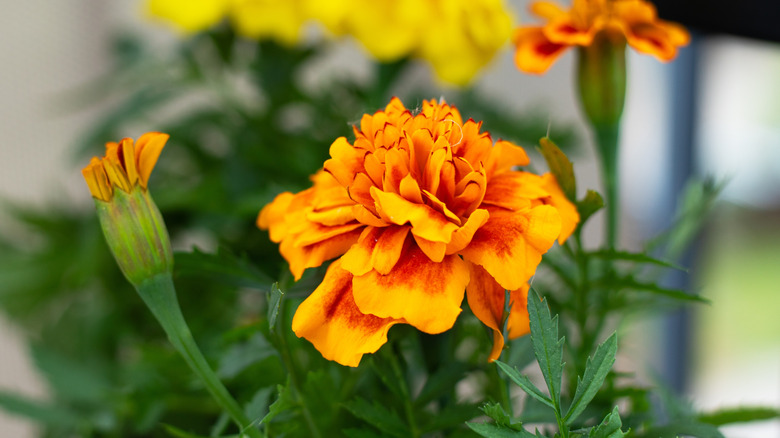
These beautiful flowers are a burst of color, not to mention a useful buffer for veggies that don't make for happy bedfellows. But marigolds' ability to attract insects like lacewings and lady beetles make them an ideal companion plant for peas, too. They're natural enemies of pea aphids, and will happily gobble them up, leaving your swelling pods untouched. For the best deterrent results, opt for French marigolds (Tagetes patula).
Corn
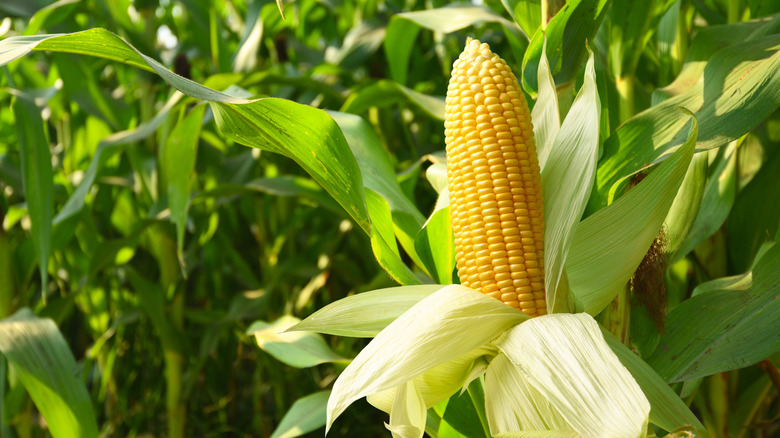
If you have the space in your garden to plant corn, it's a good crop to pair with peas. As well as offering shade in warmer zones and acting as a buffer against the wind, corn provides a handy natural trellis for your growing peas to climb up. As well as helping grow a bumper crop of tasty legumes, the nitrogen fixed in the soil by your peas will help feed the corn too, making it a win-win combination all round.