

6 Foods With Less Nutritional Value Than You May Have Realized

We believe strongly that there are no "good" or "bad" foods, but we also believe that a lot of the hype around certain "health" foods is a load of rubbish. Foods have historically gone through fads, with tons of people believing that certain dishes are superfoods or the key to "better" eating. There are, in fact, foods that deserve more attention — humble oatmeal is full of enough health benefits that you might consider eating it every day. But there are also plenty of foods with an angelic reputation that actually contain some legit dietary pitfalls you probably hadn't considered.
At the end of the day, no single food is a perfect specimen of nutrition without at least a few downsides. There's a reason that we might want to eat an apple a day, of course, but that's far from the only food we eat ... and there exists such a thing as eating too many apples! Balance is important in any diet. None of the following foods should be considered verboten, but you should also be aware that they aren't the virtuous paragons of "clean" or "better" eating that some hold them up to be. Don't believe the buzzwords. Instead, stick to the hard facts and inform yourself about the foods you choose to enjoy.
Protein bars and shakes

Nowadays, folks seem to think that more protein is always better without considering the source. While whole foods like lean meats and low-fat dairy products are, in fact, important sources of dietary protein, supplemental foods like protein bars and bottled protein shakes are worth a second look. They can be loaded in artificial colors, sweeteners, and fillers. In some ways, you might as well be eating one of the discontinued candy bars we still mourn. Most healthy adults don't need as much protein as it's fashionable to eat now anyway.
Flavored yogurt
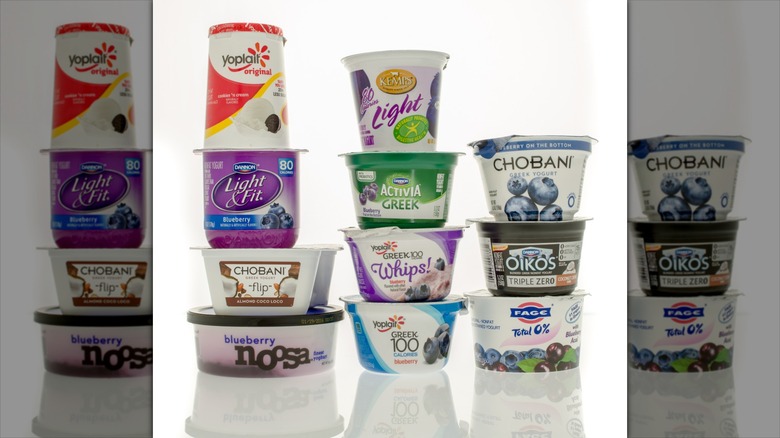
Yogurt enjoys a reputation as a generally healthy breakfast and snack, but not all yogurt is created equal. Many flavored yogurts found on supermarket shelves are actually sugar bombs that approach the upper limit of the American Heart Association's recommended daily limit for healthy adults. If you want to enjoy the benefits of yogurt, pick plain Greek yogurt and add your own toppings. Even better, nosh on some cottage cheese — it has more protein than yogurt and tastes just as good mixed with fresh fruit and granola.
Vitamin-enhanced water beverages
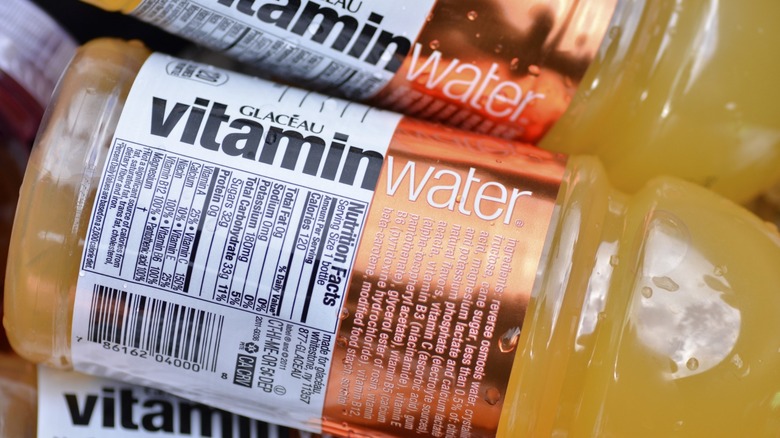
Water is good and vitamins are good ... so water enhanced with vitamins must be great, right? Actually, the concept is mostly a marketing ploy. You don't need vitamins in your water because they usually come along with a lot of artificial colors and as much added sugar as a can of soda — you're better of getting nutrients from the (wholesome) foods you eat or from doctor-approved supplements. These beverages are costly and largely unnecessary. Still thirsty? Check out the top hydrating foods to add to your rotation in hot weather.
Plant milks
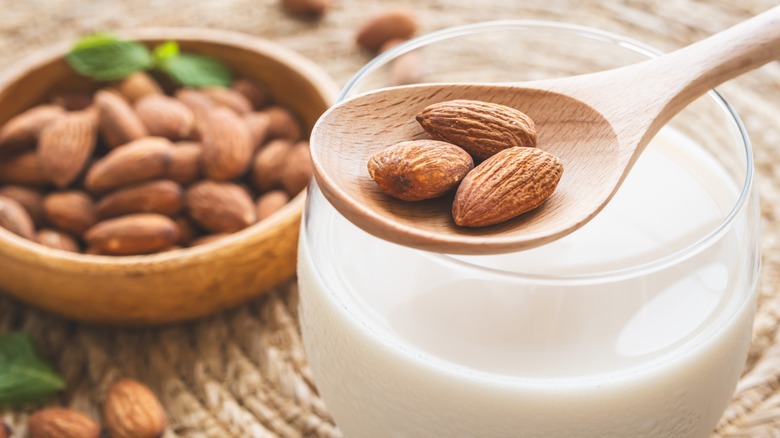
There are a bunch of reasons to choose non-dairy alternatives to cow's milk, but pick carefully — many of these "milks" have little protein along with added refined oils, sugars, and general processing that consumers don't expect. Folks with dairy intolerances or allergies can't help needing these substitutes, but don't assume that they are automatically more "healthy" than dairy milk. Look for plant milks with little or no added sugar that are light on the oily agents for improving texture. That way, you get an enjoyable quaff without a ton of empty calories.
Organic snacks
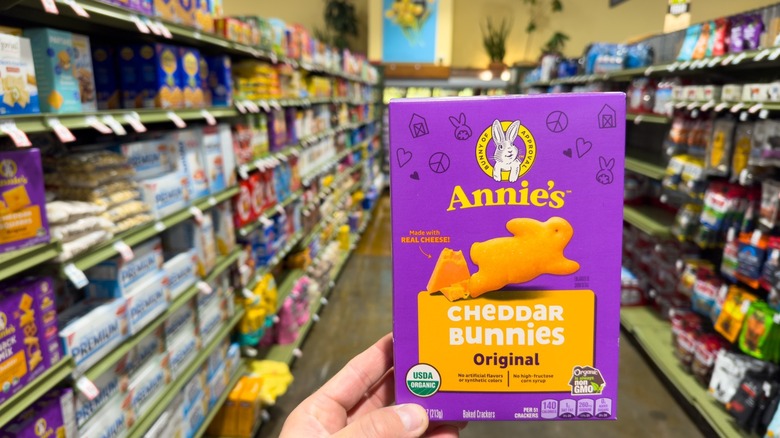
Remember when the iconic Goldfish snacks had a temporary name change? That did nothing to change the impressions of parents everywhere that this classic childhood snack was automatically inferior to higher-priced organic substitutes. In reality, the macros of many "organic" snacks are nearly nutritionally identical to their mainstream counterparts, meaning they lack any additional concrete health benefits. In short, the word "organic" gives an impression of wholesomeness that isn't strictly justified (though they do reduce exposure to pesticide residues). Make sure you compare your snacks to ensure you aren't paying more for essentially the same product.
Dried fruit
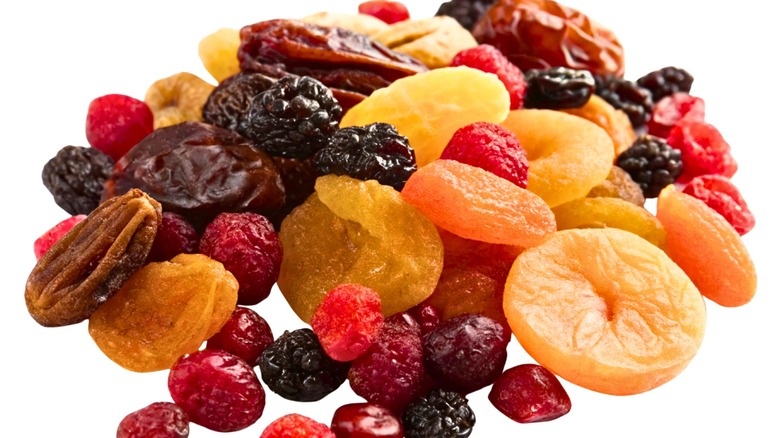
Considering how many fruits make a high-fiber breakfast to help you feel full, you might be tempted to opt for portable, shelf-stable dried fruit. Compared to gummy candy or fruit snacks, this seems like a healthy option for lunchboxes. The truth is, however, that dried fruit normally can't hold a candle to the fresh version, because its water-soluble nutrients have been all but eliminated in processing. Furthermore, these fruits are dense and calorie-rich, making them easy to overeat. A whole fruit you can eat on the go, like a banana or apple, is likely a better choice.