

Skip Expensive Pest Control: Save Your Veggie Garden With This Pantry Ingredient Instead
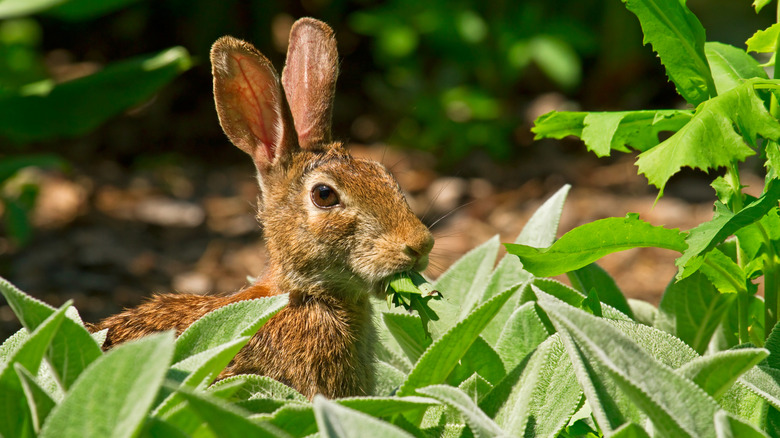
Kitchens are a repository of tools for the endless battle against pests nibbling on gardeners' crops. Whether it's using leftover beer to lure bugs 'n' beasties to a yeasty, sticky end or deploying garlic-laced spray as a pesticide — one of several retro hacks that are still effective now — that's not all. Cayenne pepper, a spice in many an American pantry, is a clever, cheap, and natural way to keep critters off your vegetable plot. Grab the cayenne from your cupboard and sprinkle it around your plants or along the borders of areas you want to protect. Be very careful not to get any on your bare skin or near your eyes, so wear protective gloves and goggles.
So, how does it work? Cayenne is made from dried, ground-up cayenne peppers, which contain capsaicin, the compound responsible for all that spicy heat. We like the oomph of dishes flavored with cayenne pepper, but mammals from mice to deer really don't. Gardeners growing peppers use these companion plants to get a bumper harvest, but you can also fend off the likes of spider mites, fruit flies, and slugs with a generous dusting of cayenne pepper.
While the scarlet spice can be added to this list of low-cost ways to rid tomatoes of aphids, it does have one fairly significant drawback. Because it's a powder, it's easily blown away in the wind or rinsed off in heavy dew or rain, though if you mix it with water, it can be an effective spray. Also, it's not that great a deterrent for birds, so if they're your problem, try hanging up some shiny objects to gently spook them.
Other pantry solutions for controlling pests in your plot

Sometimes it can feel as if our garden is under siege from the natural world, with pests underground, over land, and in the air. Cayenne pepper powder or spray (you can buy commercially made ones containing the spice) is just one way to maintain control without resorting to harsher chemical treatments, unless the pest situation really demands it.
Natural, organic options that come straight from the pantry or kitchen cupboard include vinegar, specifically for the acetic acid it contains. Fruit flies, mosquitoes, and ants, alongside mammals including squirrels or raccoons, may give it a wide berth, though like cayenne pepper powder, it's not a long-lasting treatment in wet weather.
Alternatively, you can sprinkle a little peppermint oil around your plot. The mint is a good deterrent for rodents, while the menthol will keep mosquitoes and any hungry cockroaches at bay too. That ginger root you've been storing forever is also a clue to another nature-friendly but effective pest control method: ginger essential oil. Spray it around and on your plants and they'll be less likely to be nibbled by deer, leaving you to sit back and watch your veggies grow.