

11 Easy To Grow Herbs You Can Plant This Fall
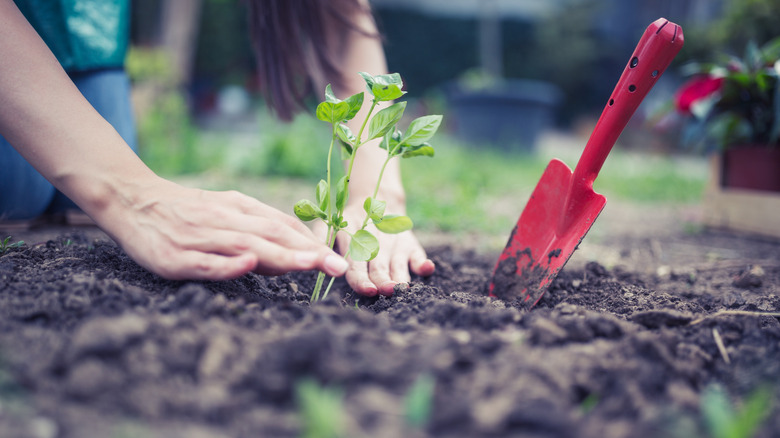
As the summer slips away, kitchen gardeners across the country begin to harvest the various fruits (and vegetables) of their labors. It's easy to believe that, at this period when everything is at its peak for many gardeners, either there's no reason to plant anything else, or you're just too late. But if there's one thing anyone with a green thumb knows, it's that nature's windows of opportunity can be more flexible than we think. Just as there are many easy-to-grow veggies that can go in the ground in mid-summer, you can also bolster your herb garden as the season changes to fall.
If you decided to sidestep perennial herbs that you plant once and enjoy forever (or something went wrong with them this season), fall is a great time to start up a new round of flavorful additions to your plot and kitchen. That includes plants like calendula (a.k.a. Calendula officinalis, or pot marigold), which makes soothing teas, and crocus bulbs so you have a ready supply of saffron come next spring. But, as we're about to reveal, they're far from the only herbs that can be planted in the fall.
Oregano
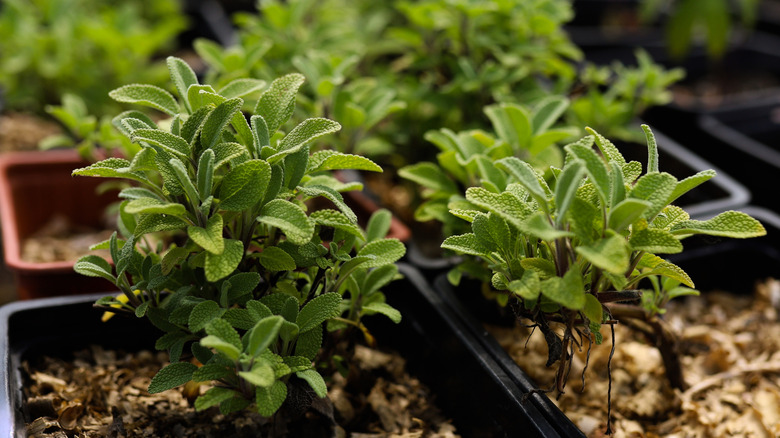
Part of the vast Lamiaceae family of plants (better known as mint), oregano has many varieties, including golden, Greek, and Italian. Regarded as a perennial in USDA zones 4 to 9 and hardy to zone 5, it's an easy-to-grow herb that will do well even in poor soil and doesn't need huge amounts of water. Once established, make sure to pick leaves regularly to encourage growth and be sure to shield any young plants from the frost. Oregano overwinters fine in milder climes, dying back a little before roaring back.
Chives
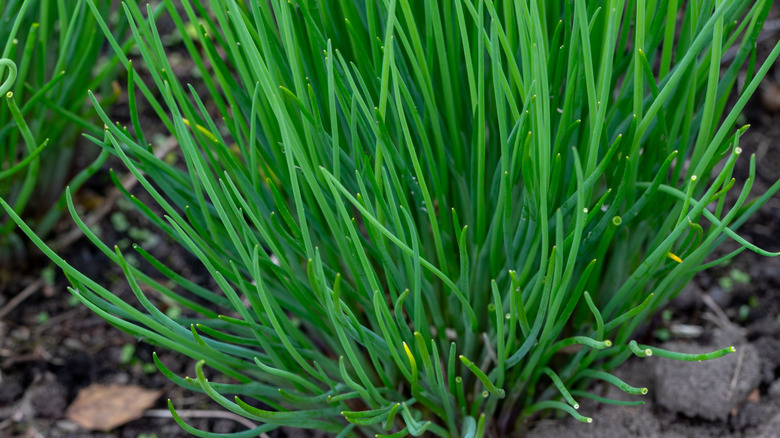
This delicious, oniony herb is perfect for planting in the fall, as it thrives in the cooler temperatures. Make sure it's done before the risk of any frosts, as a very cold snap can put the kibosh on young plants. If you have established chives, fall is a good time to dig them up and divide them so they've got more room to grow and you get more herby goodies for your deviled eggs.
Dill
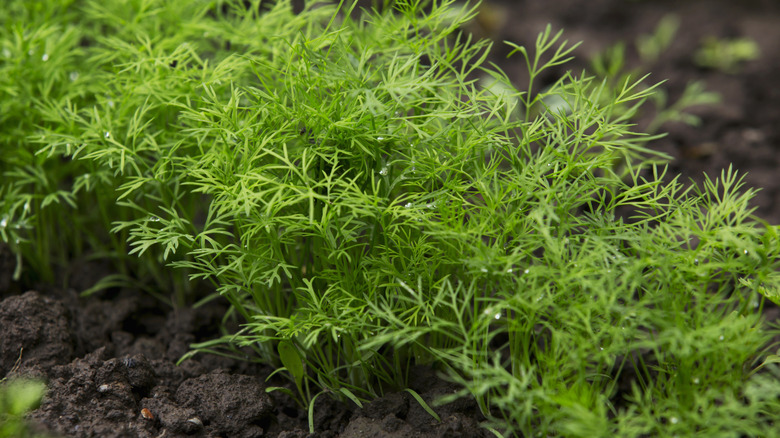
Looking for a gentle yet delicious anise flavor for your dishes? Then you need dill, and if you missed the early spring planting window, fall has got you covered. For gardeners in warmer zones, when the temperature drops under 85 degrees Fahrenheit, your dill seeds can go in the ground. If winter's not too harsh and you can protect it from wind, your dill ought to thrive. When the next spring comes around, it will reward you with a sea of gorgeous yellow flowers.
Sage
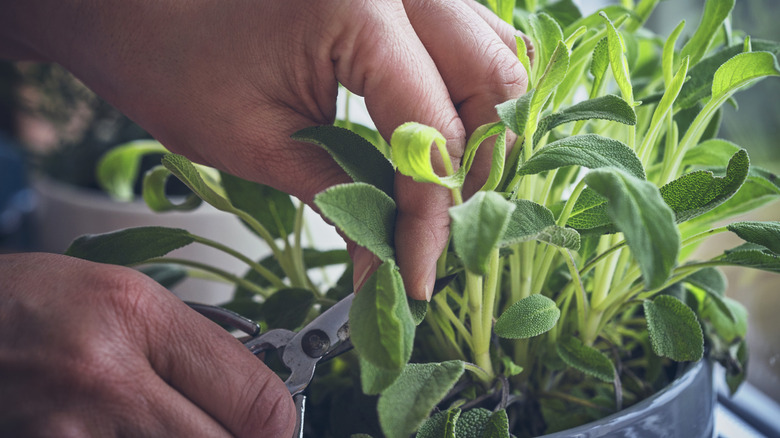
This perennial herb is a great all-rounder in the garden and the kitchen, where it's a delicious addition to an array of pasta dishes, soups, and stews. It too prefers the cooler days of fall, and if you live in zones 1 to 5, it's hardy too. Sage does need soil that drains well but will grow happily in the ground or just about any form of container. Watch out for the really colder winter months, as it might need a little insulation from frosts.
Mint
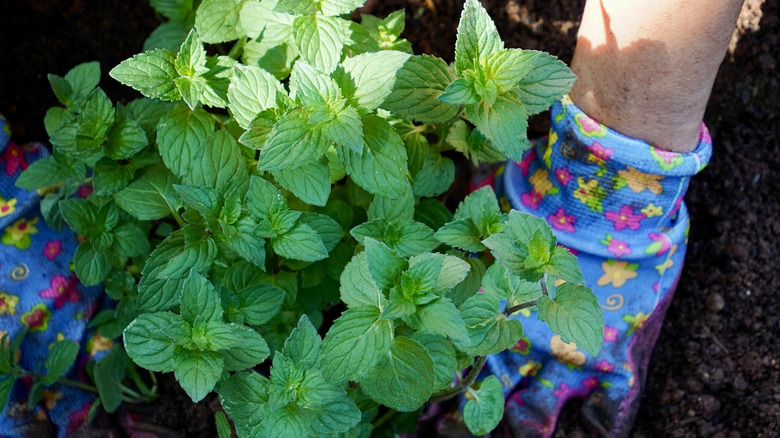
Although it's often used for summer recipes (and mojitos, but don't make this muddling mistake when mixing them) mint is an easy-to-grow herb that can also be planted in the fall, especially in warmer zones. If you're in a cooler region, it will stand up to lower temperatures and even a gentle frost. But no matter where you live, just remember our big planting tip so your neighbors don't get mad.
Cilantro
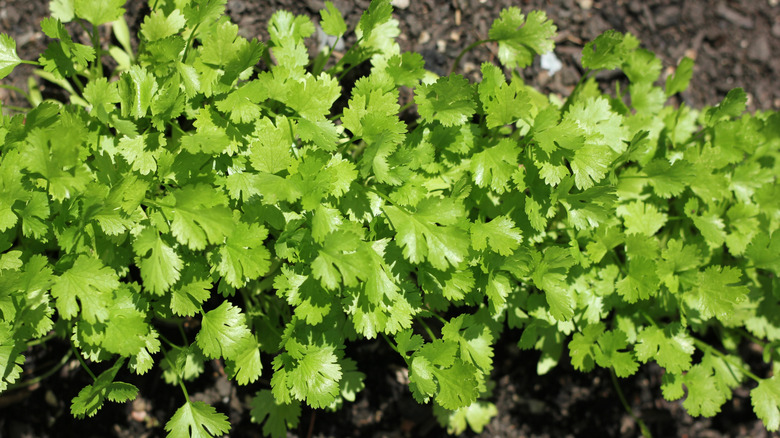
The seeds from this herb make blueberries taste even more delicious, and if you can't get enough of that pairing, you need to plant some cilantro. Many gardeners put theirs in the ground or in containers as part of their spring planting, only to watch it bolt in record time. Depending on zone, fall-planted cilantro moves a little slower, giving you more time to enjoy its flavorful leaves and seeds. If you're in a warmer zone, it will overwinter beautifully.
Thyme
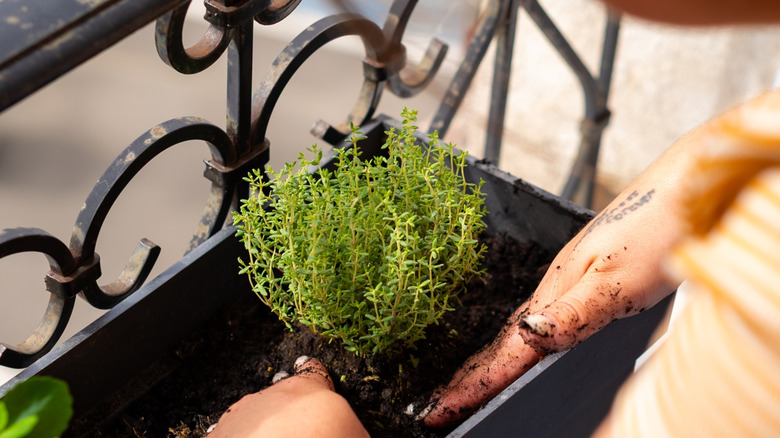
Can you even say you have an herb garden if you haven't grown any of this deeply aromatic plant? Fall provides the perfect chance to remedy that situation. Thyme comes in many varieties and does prefer things on the cooler side, so gardeners in zones 9 and 10 will benefit from a fall planting. Whether it goes in the ground or a pot, give it well-drained soil and plenty of room for air to move around it, and you'll have flavor on tap for years.
Marjoram
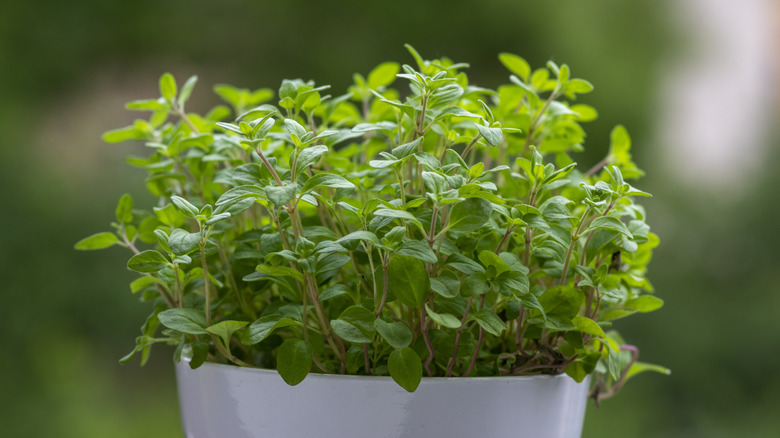
This herb is often overshadowed by thyme and oregano, but marjoram is a great stand-in for the two, not to mention it's delicious in its own right. The downside is that it really doesn't like the cold. While gardeners in warmer zones can merrily plant marjoram in the fall, if winters are harsh where you are, grow it in a pot and move it indoors or under a cold frame until the mercury in the thermometer starts to come up.
Chervil
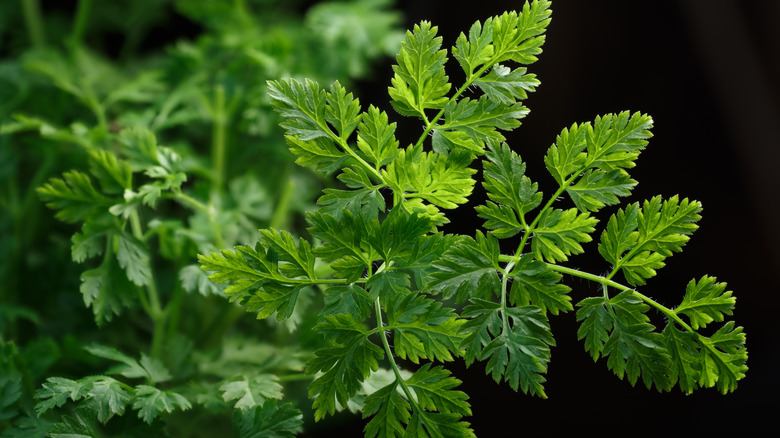
If you've watched your cilantro bolt again and have had enough, give chervil a whirl. It looks like parsley but has a milder licorice-style flavor, and while it's tricky to find fresh in stores, chervil is easy-peasy to grow. It's ideal for a fall planting schedule, especially for gardeners living in zones 8 to 10. You can start the seeds indoors or under lights before transplanting the tender plants outside as the weather cools.
Parsley
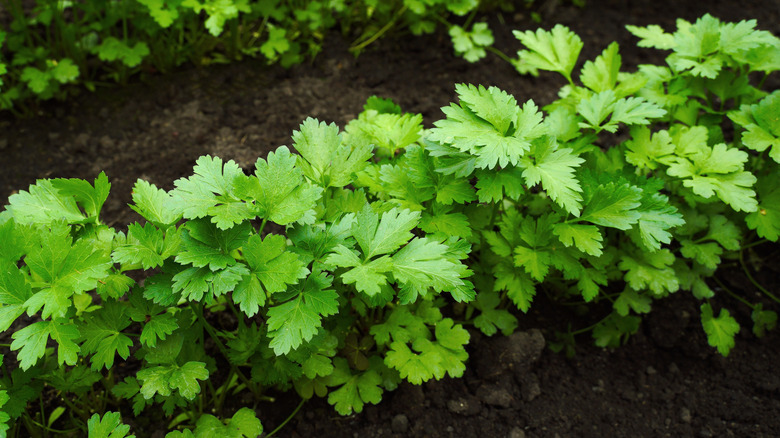
So many dishes all benefit from a handful of parsley — and we're not just talking as a garnish, as the roots are more than just kitchen scraps! This leafy herb brings earthy complexity to everything it touches, and parsley is a great one to plant in the fall. In regions where the winters are fairly mild, it needs minimal protection, but if the temperature plummets where you are, take it into the greenhouse or move the plant indoors so it gets through to spring.
Rosemary
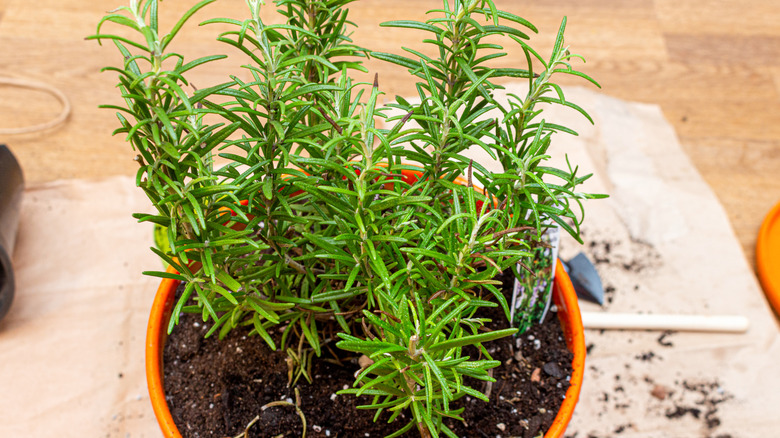
This woody, aromatic herb can be a gift that keeps on giving, with the right care. If you're in zones 8 to 10, fall is a great time to plant rosemary, but for gardeners living elsewhere who might face frosts, start it off in a container. Feed and water the plant regularly (though don't give it too much), make sure to harvest the stems properly, and your rosemary plant can last for decades.