

19 Kitchen Scraps You Should Eat Rather Than Toss
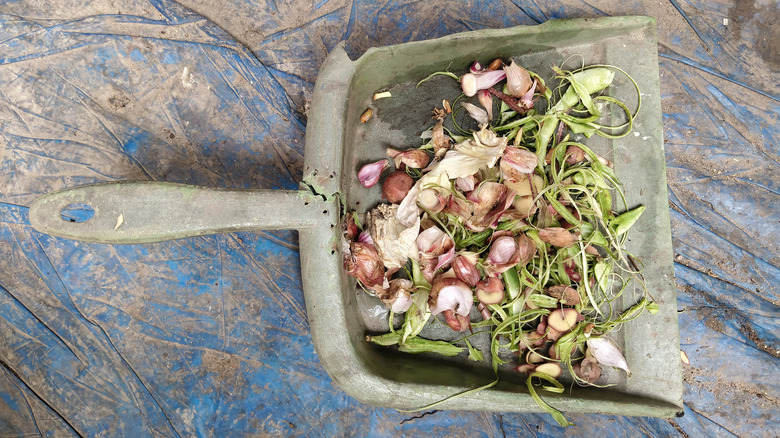
After spending months carefully nurturing the veggies growing in their plots, millions of gardeners turn their attention to cooking their freshly harvested produce. When the frenzy of chopping and peeling has ended and the final dishes have been enjoyed, what's left behind is usually reserved for the compost heap or, in some cases, the trash. But what if we told you there was still a lot more nutrition and flavor to be gained from these unloved kitchen scraps?
I'm among the many home cooks who roast their vegetable peelings in the oven and turn them into crispy, savory chips — but it's not just the bits of an ingredient we choose to discard that have value. For some plants, the fruit or vegetable is just one edible component; their seeds, stalks, and leaves can provide a feast for our tables, too. Set down the peelers, put away the knives, and shelve those scissors as we showcase the kitchen (and garden) scraps we should be eating, rather than throwing away.
Watermelon rinds and seeds
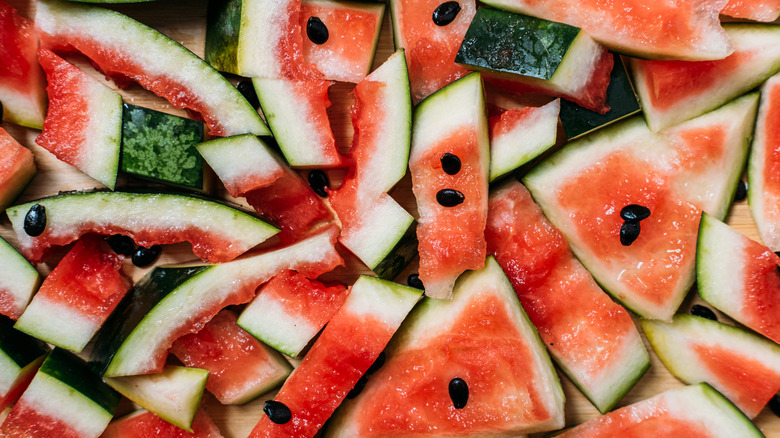
It may be emblematic of summer, but the sweet, juicy taste of freshly cut watermelon is available all year long. No matter how close to the rind you bite, chances are there's always a sliver of it left over, but don't be tempted to throw that away. There are lots of ways to use up leftover watermelon rinds, from good old pickling to adding them to a variety of sweet and savory recipes. Don't spit out the seeds, either — they're full of nutritional goodies like zinc, protein, and B vitamins.
Leek tops
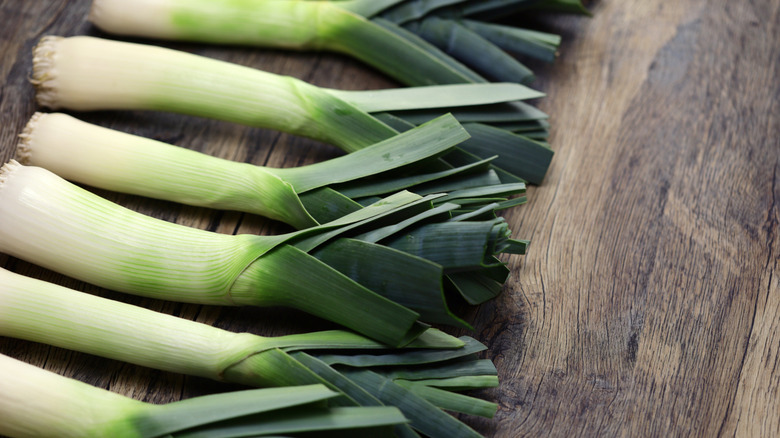
At first glance, it's understandable why so many people cut off leek tops and throw them away. They can look a bit scruffy or browned, appearing far less appetizing than the sleek, white parts we usually eat. But there's lots of flavor in those deep green tops. I find them less harsh than onions and fling them, roughly chopped, into soups, and they're one of the best veggies in the world to braise. Apart from being magical on the tongue, leek tops are considered a prebiotic, so they're great for our gut too.
Broccoli leaves and stalks
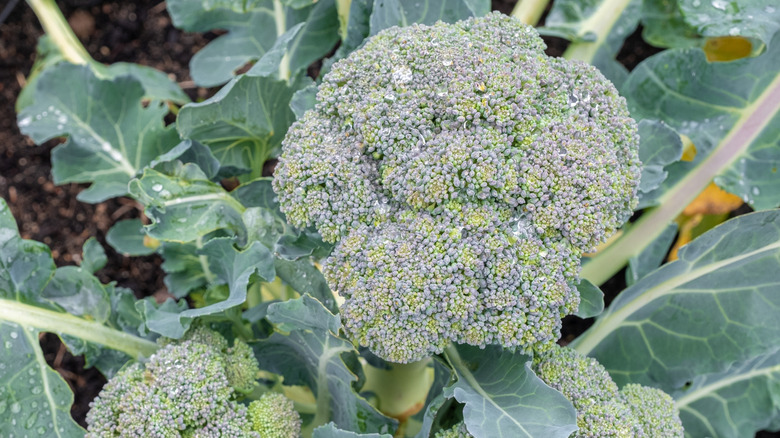
We've previously sung the nutritional praises of broccoli sprouts, but there's more to this vegetable than the mature crown, too. If you're a lover of collard greens, then start picking the leaves surrounding the broccoli head, because they're every bit as tasty and adaptable. Add them to stir-fries, stews, or soups for some earthy depth of flavor. While you're at it, try cooking the broccoli stalks too (though you may wish to peel them first to avoid any woody texture). They're a revelation for some people; fleshy and juicy with a lovely, mild taste.
Radish tops
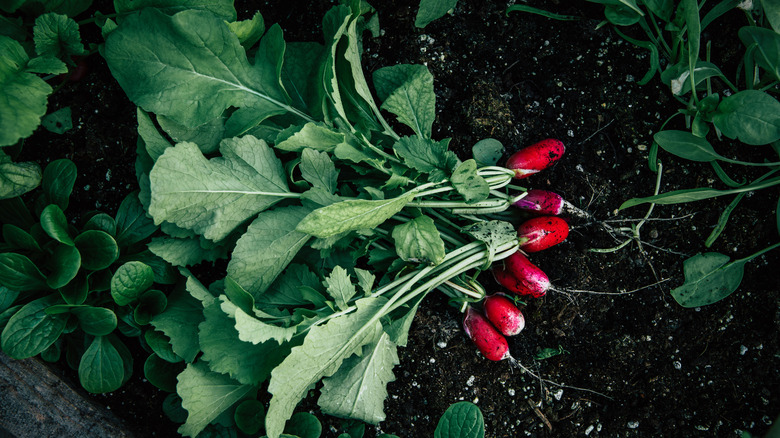
One of the best things about planting radishes is you can harvest them in weeks. Here's another brilliant fact about this peppery veggie: their leafy tops are just as delicious as the bulbs. That goes for the scarlet summer kind as well as their winter cousins, and while radish greens make a vibrant addition to a salad bowl if you're out of spinach, they wilt beautifully into everything from soups to pasta. Radish tops are a good source of fiber and iron, as well as vitamins — just make sure to wash them thoroughly before eating.
Sweet potato leaves
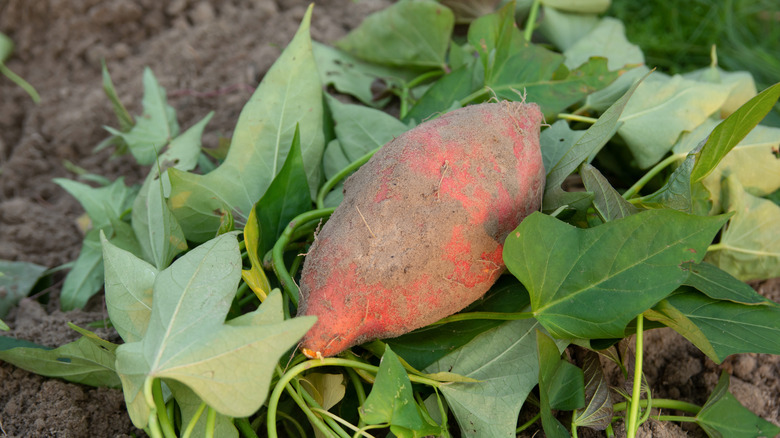
Cooking sweet potatoes can be tricky, but to the list of common mistakes people make with this vegetable, we'd like to add the misstep of ignoring its leaves and vines. Chinese and Southeast Asian home cooks regularly use these yummy, flexible parts of the plant. They're sweeter than many people realize and tender like spinach, so if you've got lots of leaves, don't worry — they will wilt down! Sweet potato leaves and vines are delicious in stir fries or teamed up with a little garlic, chili, and coconut milk for a phenomenal veggie side.
Strawberry leaves and tops
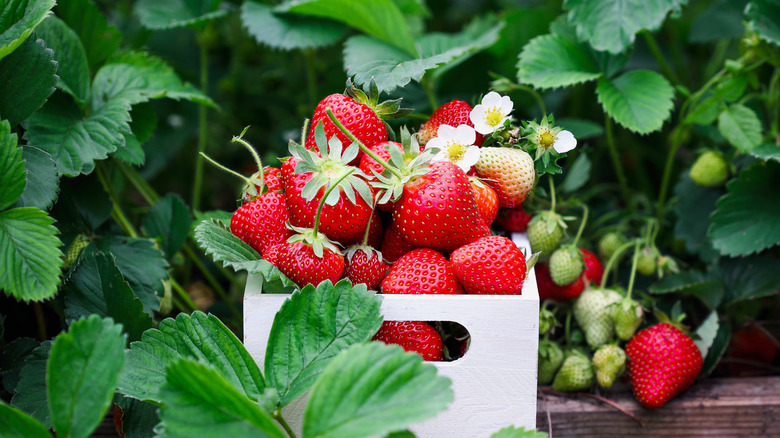
It's a race among my family to eat our home-grown strawbs before the snails, slugs, and dogs do, but I'm going to leave them to it next year and focus on the leaves. These green goodies have more antioxidants than the berries — what a way to supercharge your speedy breakfast smoothie! If you're in the habit of snipping off the very tops of your strawberries, they've got lots of handy uses too, including transforming into part of a fruity salsa or a soothing tea.
Squash shoots
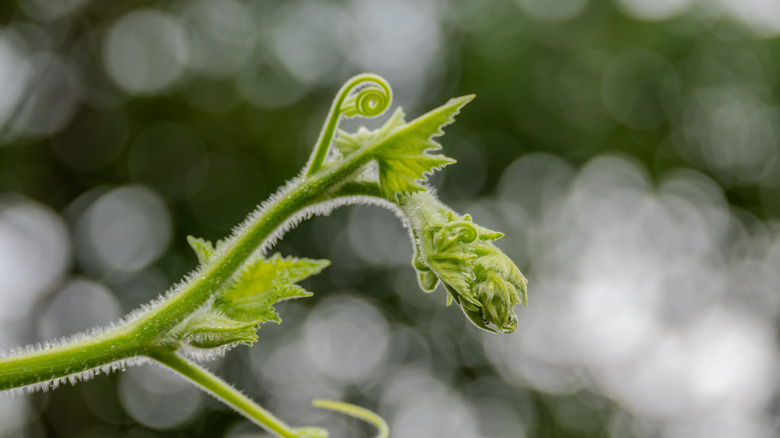
It's a truth universally acknowledged that stuffing zucchini flowers is a bit fiddly, but man, is the effort worth it. But that is just one element of this amazing group of 100% edible plants. Putting a pin in the actual squash itself, you can also nosh on the leaves, seeds, and even the curly shoots that help it cling to a trellis or other support as it grows. You can leave the little bristles on if you want (cooking softens them), and they're delicious pan-fried alongside slices of the veggie and a little garlic.
Grape leaves
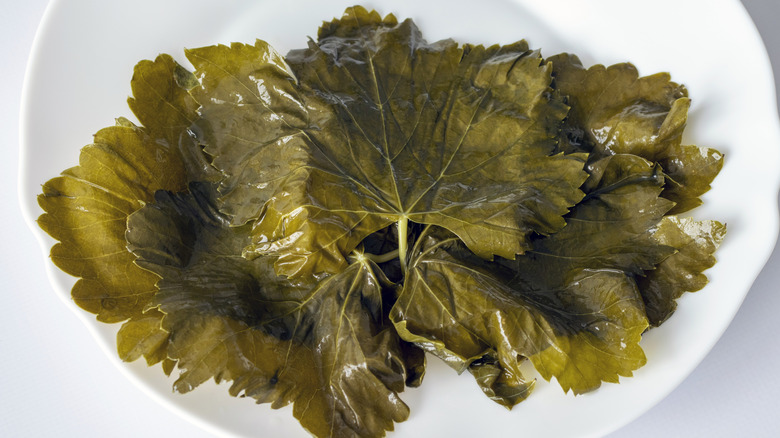
Gorging on ripe, juicy grapes at the end of summer and start of fall is one of nature's biggest treats. If you've got a vine — or have legit access to one — make sure to grab some of those large, green leaves before they're pruned and composted. They're a staple of Mediterranean cuisine, and stuffed grape leaves make a dramatic addition to cookout menus, nestling anything from spicy ground beef to rich cheese inside. Fresh leaves need blanching for just a moment before using, or you can freeze them for later in the season.
Cucumber flowers, leaves, stems, and sprouts
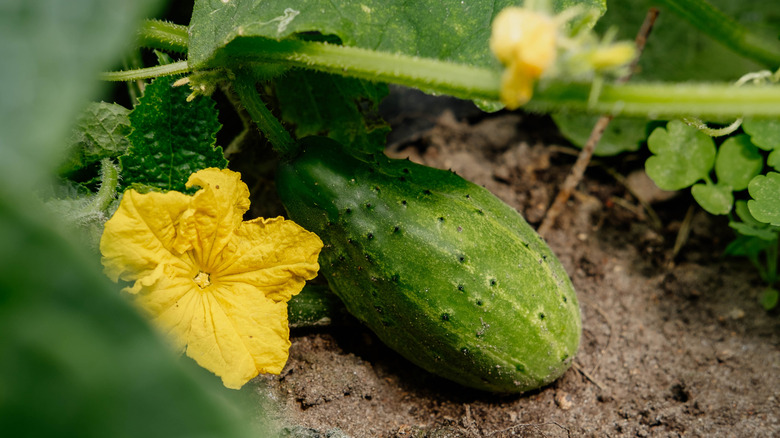
It's a staple of millions of salads and one of several foods that are cheaper to grow than buy, but lots of home cooks still only eat the cucumber fruit when every part of it can be devoured. Garnishing dishes with cucumber flowers brings a burst of color, while the stems and sprouts can also be tossed into a green salad. While the leaves are edible, most people agree their delicate flavor is best when they're small. Of course, don't take too many, or your plant will produce fewer cukes.
Basil buds
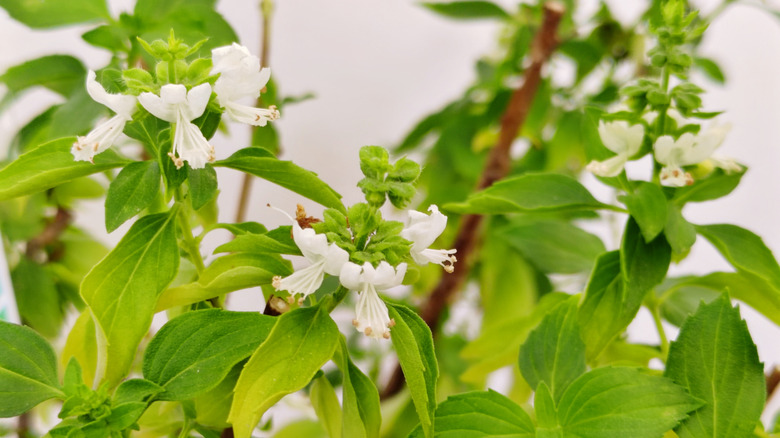
If, like me, you looked away for five minutes and your basil plant decided to bolt and produce flowers, all is not lost. These floral additions are known as basil buds, and their dialed-down flavor makes them ideal for scattering atop a salad without overwhelming the overall dish. Basil buds are also great for infusing oils or vinegars, and of course you can blitz them with garlic, olive oil, and pine nuts for a vibrant, homemade pesto.
Tomato leaves
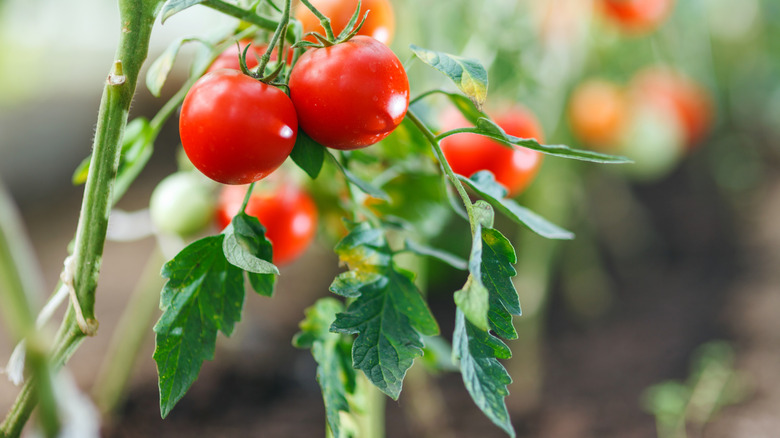
If you've always been wary of eating tomato leaves because they, like potatoes and other nightshades, contain toxic solanine, experts have said there really is nothing to worry about. That means tomato leaves can join their delicious fruit on the menu, and what a stellar addition they make. Fresh ones are a tasty sub for herbs like parsley or mint, bring earthy depth to salads, and are great in a simple syrup. Alternatively, blitz them with oil and garlic for a superb green sauce.
Parsley roots
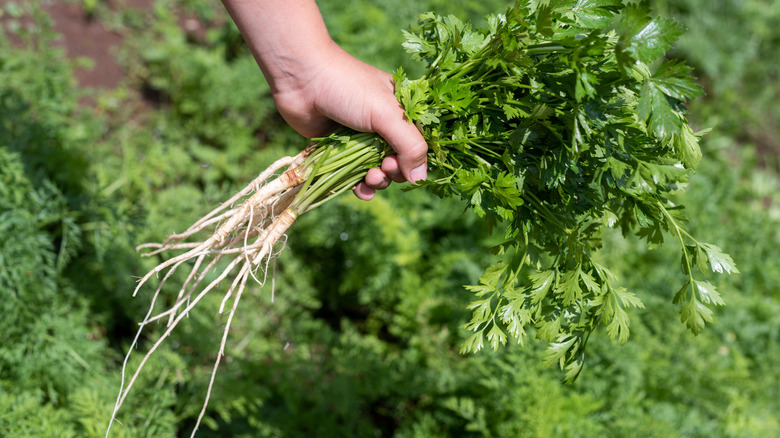
You could probably count the number of people who knew about this kitchen scrap on the green fingers of one hand. I was clueless but eager to try it out! If all you've ever done is snip off the fronds of your parsley, at the end of the season give the whole plant a tug. You'll be rewarded with a root veggie that looks – and cooks — like a parsnip but has a sweet, earthy flavor. Add it to your Sunday roast or chop it into a veggie curry and thank us later.
Carrot tops
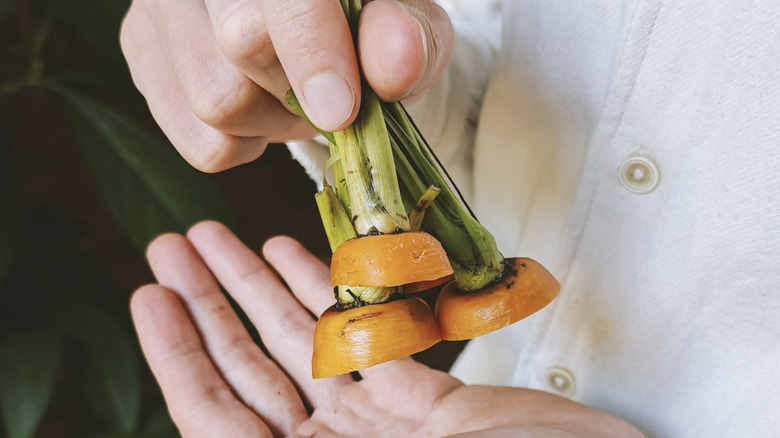
Millions of us were introduced to the world of veggies by putting the cut tops of carrots in water and watching them sprout. Little did we know then that our moms and dads could have cooked those carrot tops rather than turning them into a science project. You can treat them like a leafy green and throw them in a blender for a salsa verde, add them to pesto, or shred them over a plate of this underrated pasta dish.
Pepper leaves
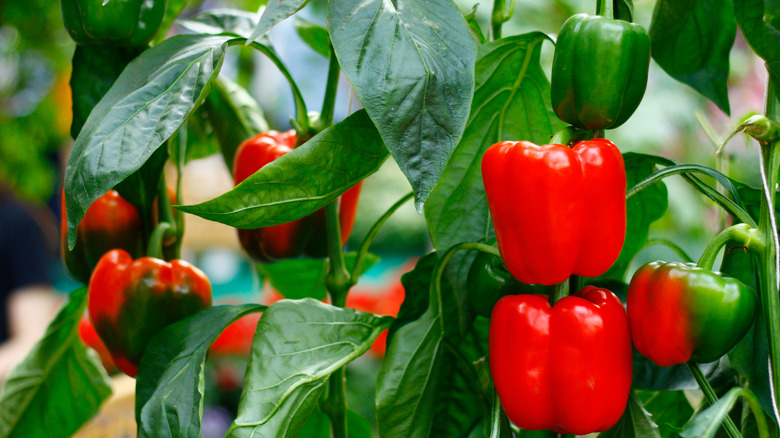
Our watering hack will give you spicier peppers, but if you want more of the flavor without the heat, pick a handful of the pepper plant's leaves. They're commonly used in South American and Asian cuisine, have a softer, more fragrant flavor than the pepper fruits, and are good sources of vitamins C and A. Shredded pepper leaves will bring a little punch to a creamy omelet, or you can add them to soups or braises for increased depth of flavor.
Pea shoots
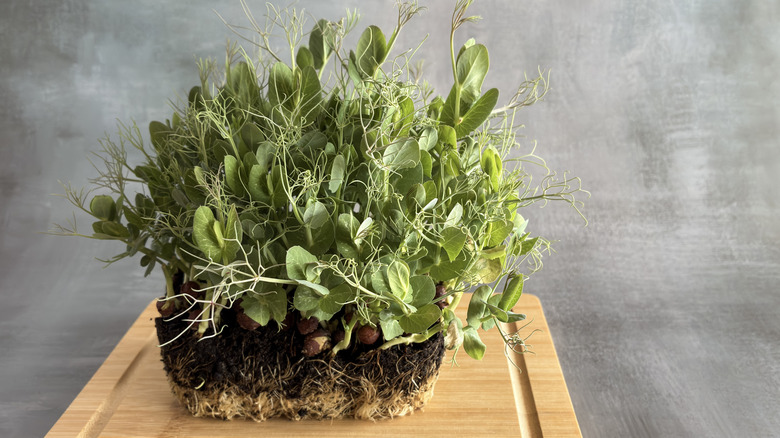
Green peas are, in almost every sense, tiny but mighty. The legumes themselves are nutritional powerhouses, but so are their leaves and vines, which are entirely edible. If you want a real treat, keep an eye out for shoots when growing your own peas with their companion plants. They're slightly more developed than pea sprouts and stand around 4 to 6 inches high. Slap them in a sandwich for a fiber boost, pair them with any kind of eggs, or sprinkle them over a bowl of ramen and slurp it down.
Citrus peels
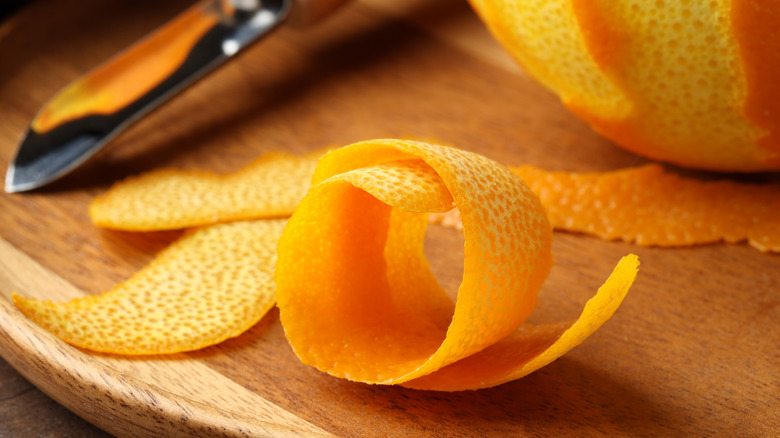
I'm as guilty as the next home cook for throwing out old orange, lemon, or grapefruit peels, even though I know that's where all the goodies like anti-inflammatory flavonoids lie. Luckily, there are lots of ways to ensure none of that goes to waste. You can candy your peels, zest the fruit and freeze it, or let them sit in vodka for several days to extract the essential oil. Personally, I like to throw them in a roasting pan when I cook chicken or vegetables for an extra boost of flavor.
Bean leaves
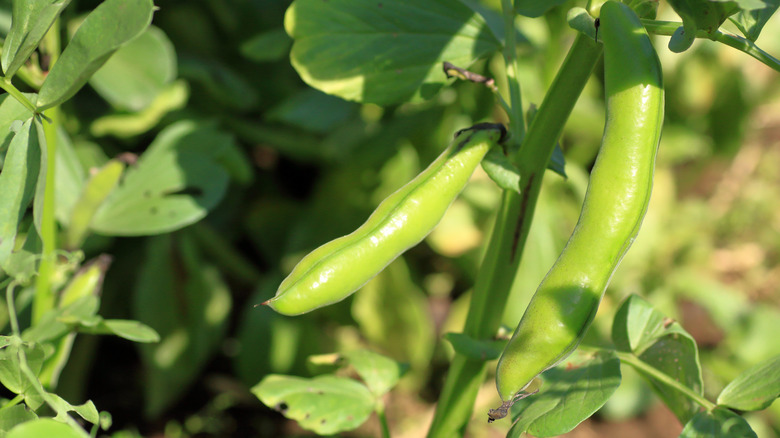
Harvesting handfuls of beans is always a pleasure, but the leaves that also end up in our palms belong in the trash, right? Wrong! Most species' bean leaves, including runner, yardlong, and fava, are totally edible, as are their flowers. As with cukes, don't take too many flowers lest you scupper your harvest, while the leaves are best picked when they're younger. They work beautifully in salads but are also a great addition to stir fries, soups, or any dish where you'd add leafy greens.
Garlic scapes
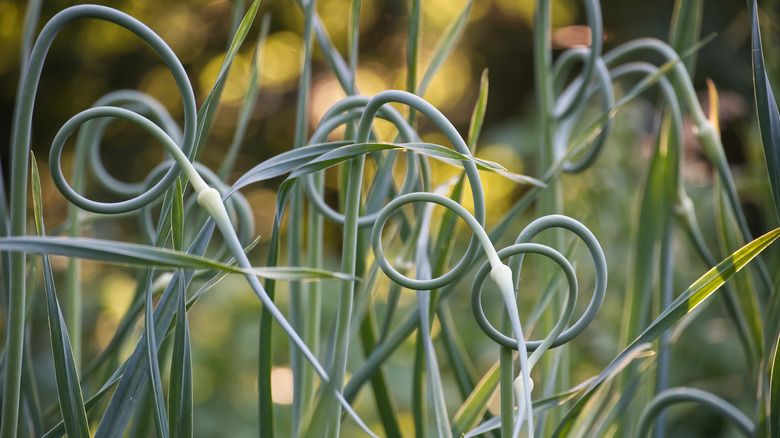
Sprouting garlic (also known as scapes) produces elegant, often curling shoots produced by hardneck plants. Don't be tempted to cut them off and throw them in the compost, as you can use them in all sorts of ways. They're milder-tasting than the main bulb and fabulous when roasted in the oven or air fryer. Garlic scapes are also great for preserving or pickling, incorporating into pesto, or pan-frying before using them as a pizza topping.
Beet tops
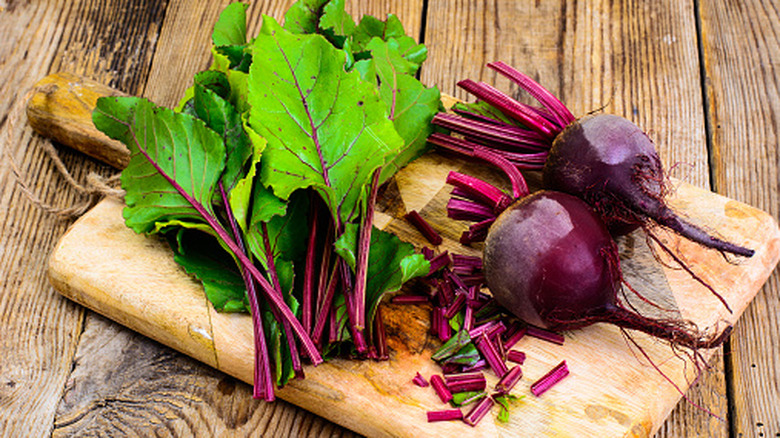
We know that tiny beet greens are a potassium powerhouse, and while we love those gorgeous, round veggies, many of us toss their leaves after they're pulled from the ground. Turns out that's a mistake. As well as being sources of several vitamins (hello, vitamins A, C, and K), they're every bit as flavorsome as Swiss chard or kale. Sure, they'll happily go into a salad, but why stop there? Sauté the greens — stems 'n' all -– in a little oil for a mouthwatering side, or pair them with fennel for an out-of-this-world soup.