

12 Easy To Grow Veggies You Still Have Time To Plant This Summer
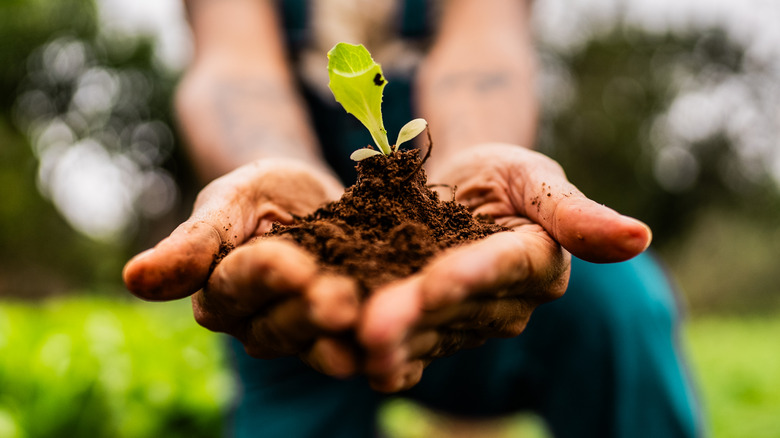
Spring is a major planting period for gardeners, but the United States is a vast country and, depending on where you live, there are still plenty of opportunities to get a surprising range of veggies in the ground. Summer planting can simply extend the growing season — many experienced gardeners don't stop planting until the fall or they run out of room — but it's also a chance to get ahead with winter crops. As you reap your various harvests, the space freed up by one veggie can be filled by another (though be sure to stay on top of your garden hygiene), ensuring your plot really is the gift that keeps on giving.
The wide differences in climate between the US zones means it's wise to check what vegetables will tolerate your local conditions, as well as the days to maturity on the seed packets, so whatever veggies you plant have enough time to ripen before the weather changes. We've put together a list of easy-to-grow veggies that can go into the ground during the summer covering zones 2 to 13, so there's something for everyone. Trowels at the ready and let's dive in!
Radishes
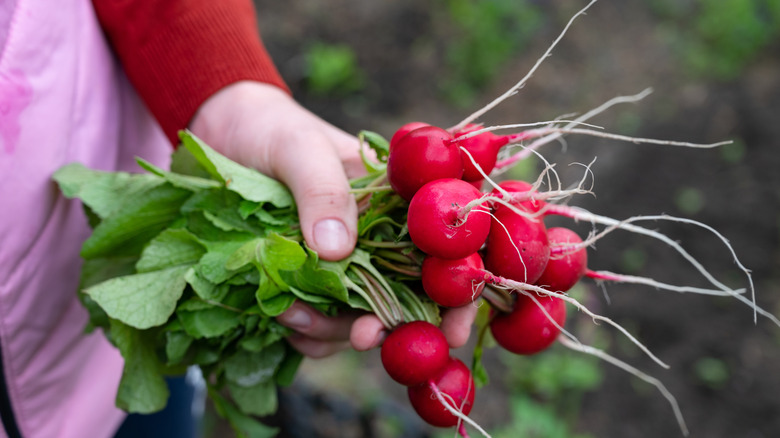
We've previously given you a heads-up on the best time to grow radishes, including the possibility of a second sowing in midsummer. Gardeners living in zones 2 to 5 can take advantage of the temperate climes to give these peppery salad stalwarts a second go-around. Radishes are super-easy to grow and can mature in as little as three weeks, but take care to plant heat-tolerant varieties like Japanese daikon to guarantee a bumper late summer-early fall crop.
Leafy greens
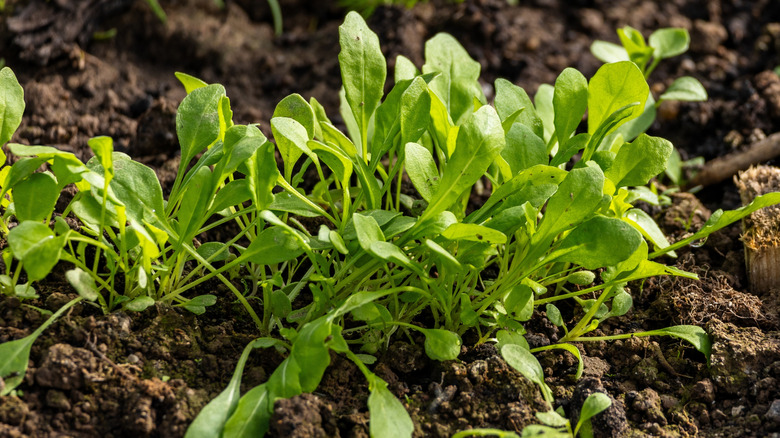
Only gardeners in zones 1, 11, and 13 are advised not to plant leafy greens in the summer, which leaves a whole lot of veggie goodness for everyone else to grow. Collard greens and spinach will all cope in the warmest months, while salad leaves such as arugula and lettuce thrive best in zones 2-3 and 6-7. Don't forget to add this kind of fertilizer for lots of lettuce for your table. Fancy some mustard greens? They'll do brilliantly during the summer sown in indoor planters.
Carrots
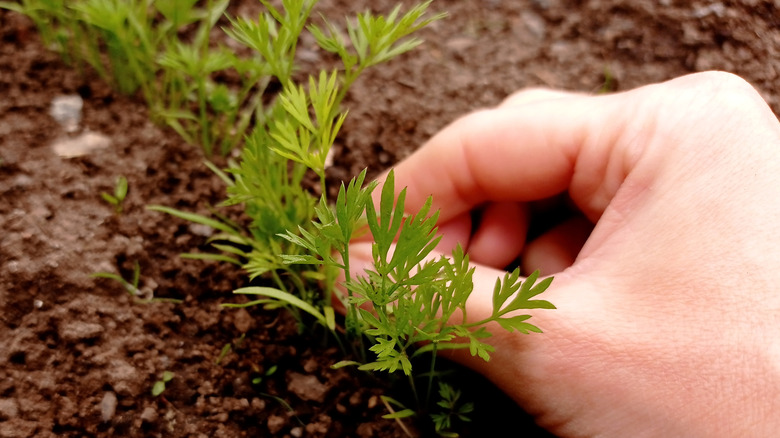
If you've spent the early summer looking for signs that your carrots are ready for harvest, once you've pulled them give yourself a pat on the back, then get busy planting a second crop. This applies only to gardeners in zones 2, and 4 to 7, where the climate is a little milder. Even if there's a significant drop in temperature, carrots will not only tolerate it, they'll be all the sweeter for the colder climes.
Cucumber
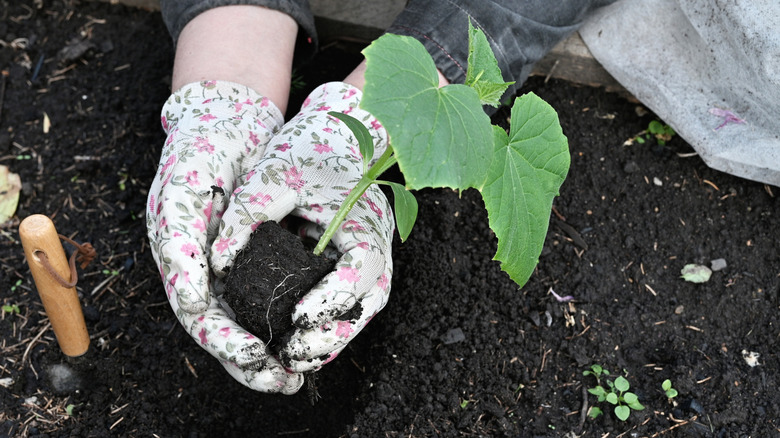
Easy to raise, great for salads, and superb for pickling, cucumbers are one of several vegetables that are cheaper to grow than buy, and a novice gardener's dream. If you call zones 8 to 10 home, you can benefit from that warmer weather to plant more cukes in midsummer. If you need a bit of inspo for your second crop, check out our recommendations for cucumber varieties that are perfect for the east coast.
Zucchini
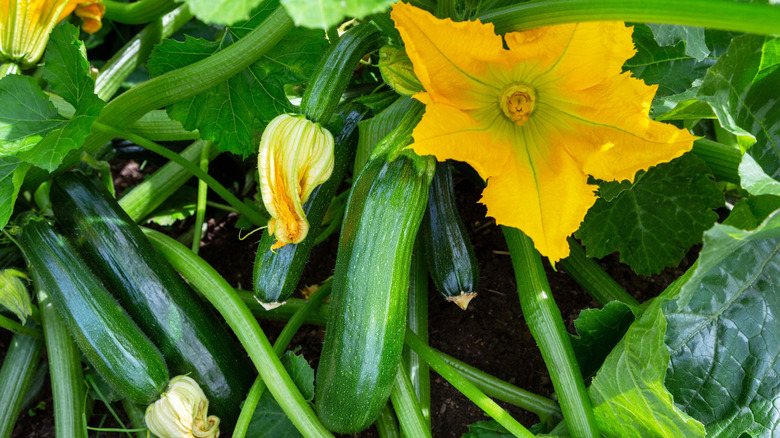
Few plants are as satisfying to grow as zucchini, providing armfuls of veggies for your kitchen with minimal fuss. In keeping with their easy-peasy image, gardeners in zones 2 through 10 can sow more of these versatile veggies — and all other summer squashes in zones 8-10 — slap-bang in the middle of summer, setting you up for a beautiful, tasty fall harvest. Pop them next to these companion plants and watch your zucchini bloom.
Beets
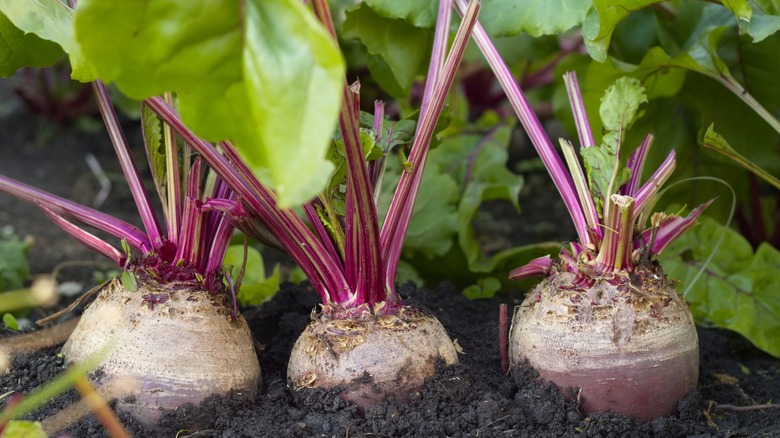
Got a shady spot in your garden but not sure what to plant in it? Beets are your BFF for anyone in zones 2 through 7. Like carrots, they can withstand a sharp drop in temperatures, and you can harvest these deep red veggies after 60 to 90 days. Don't be tempted to leave them in the ground much after that 90-day period, or they'll turn woody and unpleasant. If you're in need of a potassium boost, snip a few of the beet greens and enjoy!
Potatoes
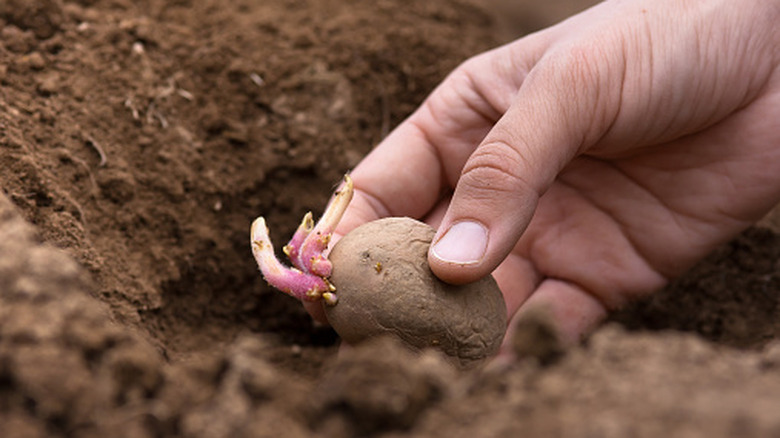
You could be forgiven for raising a brow at this entry, but for green-fingered enthusiasts in zones 8 to 13 (the country's warmest), potatoes really can be sown during midsummer. They and the other members of the nightshade family, which includes peppers, tomatoes, and eggplants, can take advantage of the warm, moist conditions to sow these veggies for a bumper harvest just as winter starts to make its presence felt.
Beans
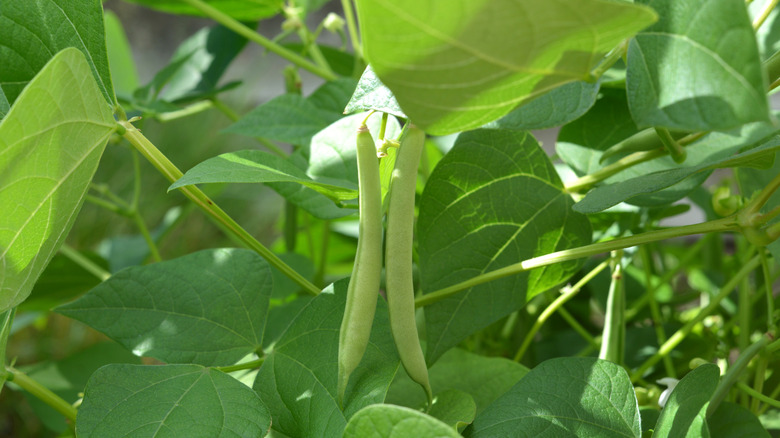
While many of the plants featured in our list can be planted throughout midsummer, for beans it's a much narrower prospect. Early July (which could be a moveable feast if your zone is less prone to frosts) is arguably the last chance for your succession-sown bush beans and get a good harvest. That said, gardeners in zones 2 and 3 still have time to get their snap beans into the ground during the summer, and if you're in a warmer neck of the woods, black-eyed peas are a great crop that will thrive in the heat.
Herbs
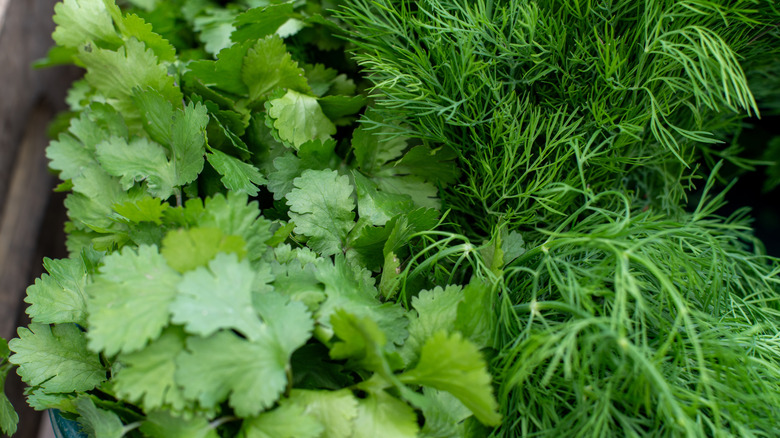
We loved this pool noodle hack for herb planters, and it will still work if you decide to grow another round of herbs at midsummer, either as companion plants or for your kitchen supply. Green-fingered fans in zones 11 to 13 have carte blanche, while cilantro and dill will fare best in zones 6 through 10. If your parsley is looking thin on the ground and you're in zones 2-3 or 6-7, a second sowing is no problem, while basil will do well only in zones 4-5.
Okra
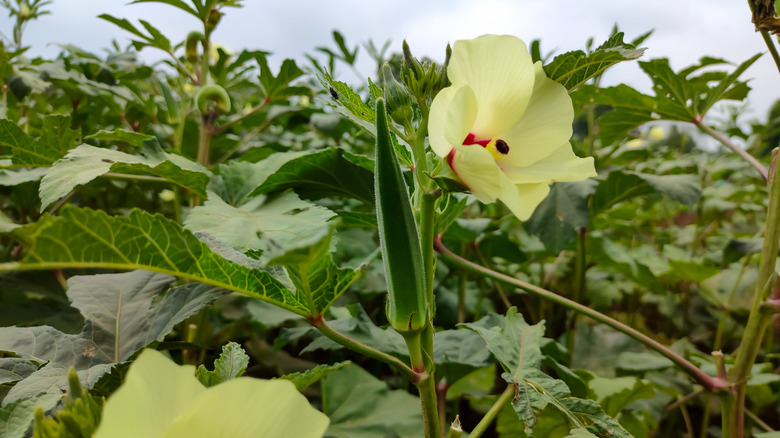
It's one of several slept-on, but easy veggies to grow, yet gardeners who do benefit from okra's gorgeous flowers, as well as its delicious veggies. It laps up heat, so planting a second crop just as the summer kicks into high gear is just good timing. Okra grows best in zones 8-10, but if you're in a slightly cooler region and have a greenhouse or a coldframe, it's worth giving it a whirl. If you get a decent harvest, why not turn your okra into a warming winter soup?
Fennel
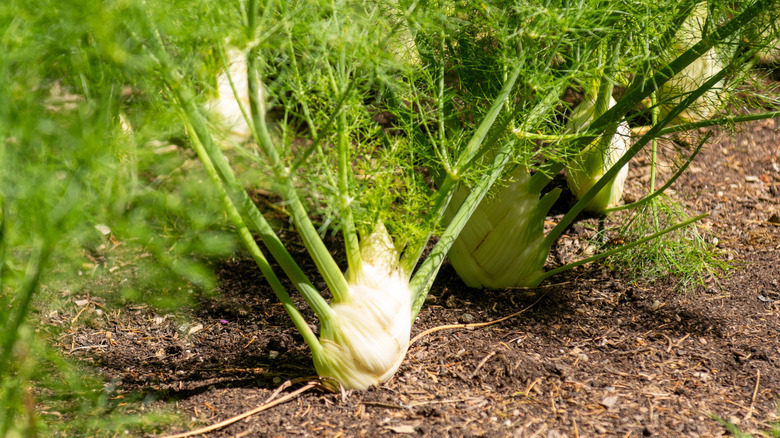
One of Steven Satterfield's choice of entirely edible vegetables, fennel is by many a measure, tough as old boots. It's mostly unbothered by most pests (though it's not a fan of aphids), and can tolerate a reasonably wide temperature range. Fennel planted in the summer and left in the ground can withstand the winters in zones 6 to 10, though in cooler zones 2 to 5, it becomes a biennial, and will only survive for two seasons.
Brassicas
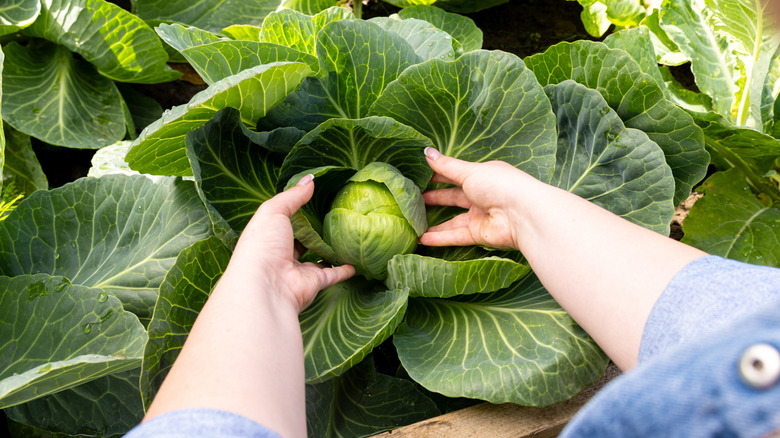
At the height of summer, it might feel weird to start thinking about winter crops, but it's the ideal time to plant brassicas. Some varieties, such as Red Drumhead cabbage and Eastern Crown broccoli, cope well in the summer heat, but make sure your soil is moist enough for the seeds to germinate when the sun beats down. Kale will do well in zones 2 to 7, cabbage and broccoli in zones 2-3 and 6-7, cauliflower will thrive in zones 4 to 11, while Brussels sprouts can be sown in zone 2, as well as 6 through 10.