

Not Just Red Meat: These 9 Foods Also Have Plenty Of Iron
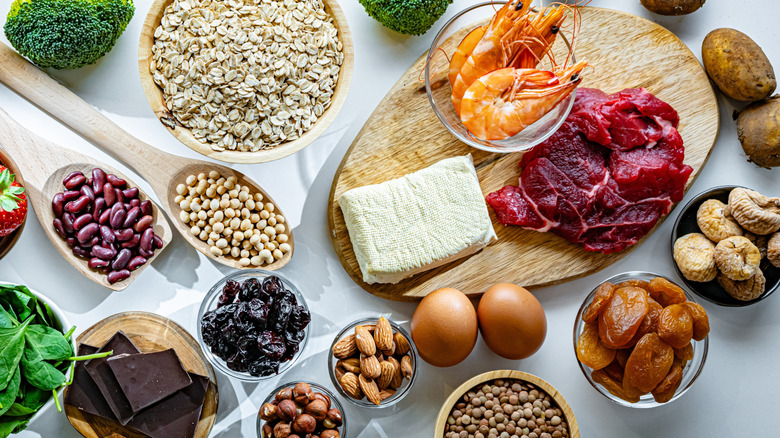
A balanced diet should provide a complete list of necessary amino acids, a near-alphabet of vitamins, and lots of minerals deemed essential because we can't make them ourselves. Iron figures among that third group, and its jobs include carrying oxygen to every part of our bodies. This mineral almost always brings red meat to mind, but it actually comes in two kinds found in several different foods: heme, which we absorb easily, and non-heme, which has a slightly different chemistry and is easily prevented from being absorbed. Both heme and non-heme iron sources can help adults achieve their daily recommended intake of 8 milligrams for men and 18 milligrams for women, rising to 27 milligrams for pregnant people.
The caffeine in tea and coffee, tannins in wine and dark chocolate, and calcium in dairy foods can also inhibit iron absorption, and if you already have an iron-rich diet your body won't take in as much. Too little and too much iron can be bad for us, leading to anemia in the former instance and digestion issues in the latter. If you do have any concerns, get a doctor to check your levels. In the meantime, let's take a look at 9 foods — apart from red meat — that are good sources of heme and non-heme iron.
Meat
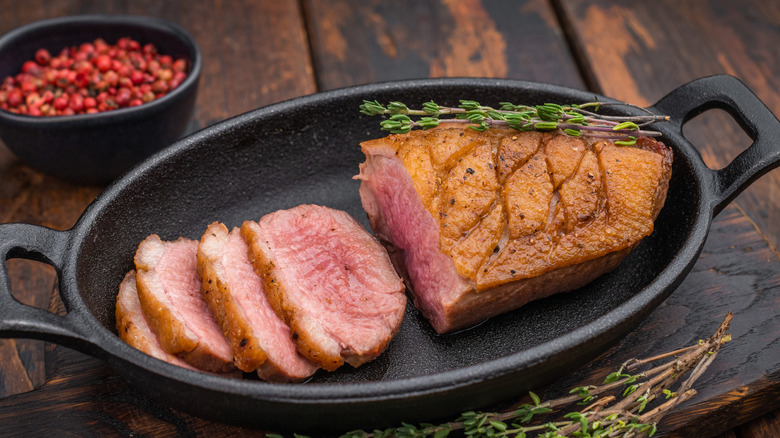
Meat protein offers plenty of heme iron sources, and while a delicious cut of steak would be a go-to for many carnivores, it's by no means the only choice. For instance, a 3-ounce portion of duck breast has 3.8 milligrams of heme iron (though levels can fluctuate depending on doneness), according to the USDA list. If you're in a neck of the woods where bison's regularly on the menu, the same serving will provide 2.9 milligrams, and you'll get 2 milligrams of heme iron from 3 ounces of turkey leg meat.
Seafood
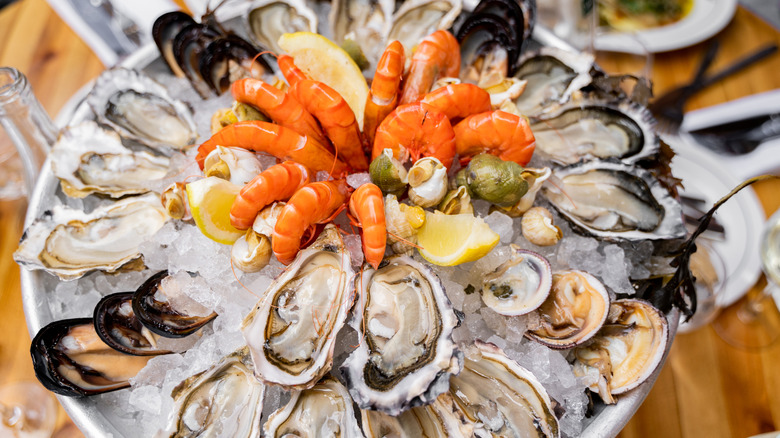
Oysters and mussels are where it's at for the best sources of heme iron, serving up 6.9 milligrams and 5.7 milligrams, respectively. Clams will boost your vitamin B12 and provide 2.4 milligrams of heme iron, while cracking open a can of sardines will offer a none-too-shabby 2.5 milligrams. Shrimp has long been the nation's favorite seafood, and here's another reason to throw more of them on the grill: A 3-ounce serving contains almost 2 milligrams of heme iron.
Leafy greens
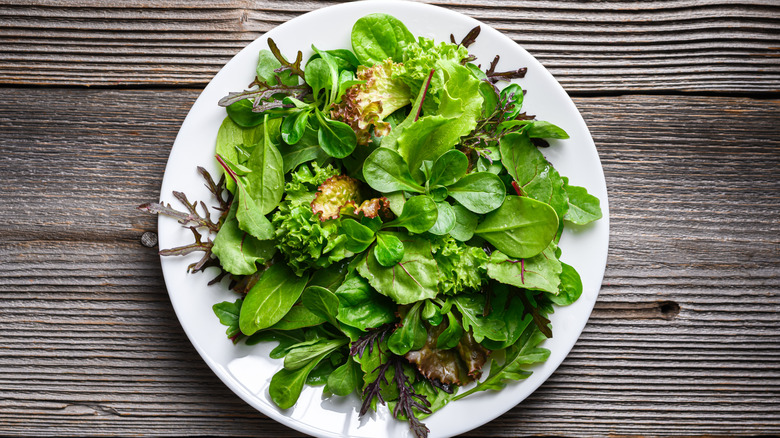
Vegetarians or people who don't eat much red meat need to get their iron from other foods, and leafy greens are a brilliant source of non-heme iron. Spinach, Swiss chard, amaranth leaves, beet greens, and even dandelion greens will provide between 6.4 milligrams and 1.9 milligrams of non-heme iron. Pair them with foods high in vitamin C (there are many more than just oranges!) and it will help your body take in more of the less easily absorbed non-heme iron.
Tofu
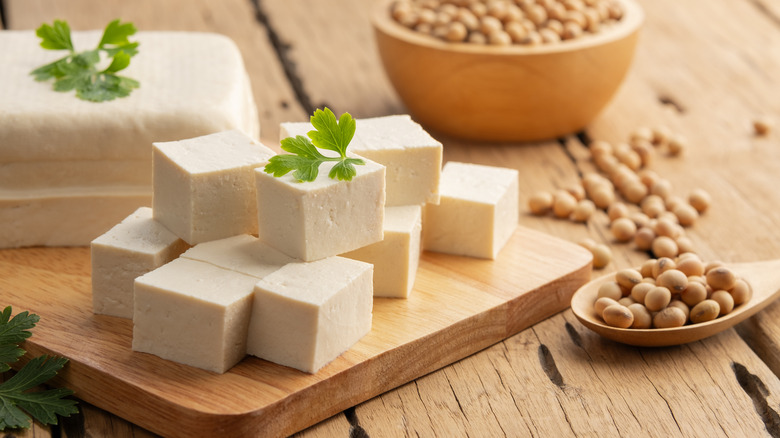
Another food that has multiple health benefits is tofu. As well as being one of five foods with more omega-3 than salmon, it also packs a decent non-heme iron punch. A 100-gram serving of tempeh has 2.7 milligrams, while its cousin raw, firm tofu provides a shade over 2.6 milligrams. Soybeans are also a great provider of non-heme iron, offering 4.4 milligrams per half-cup portion.
Nuts and seeds
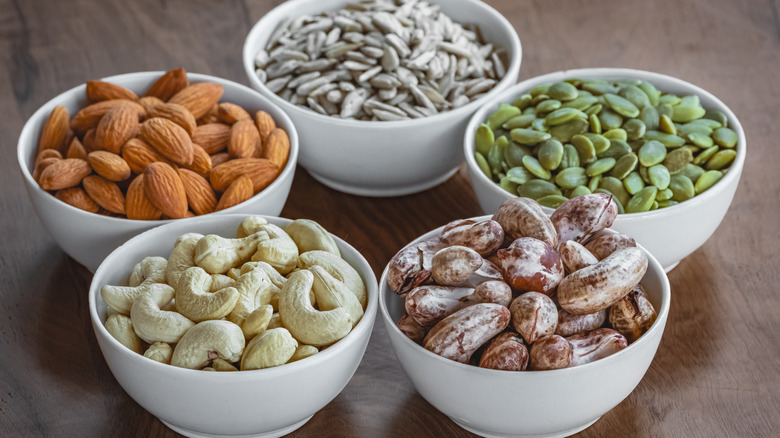
Plant proteins are a rich source of non-heme iron, and that extends to several nuts and seeds. A 100-gram portion of dried pumpkin seeds has almost 9 milligrams of non-heme iron, while flax, hemp, and sesame seeds can also give your levels a boost. A single ounce of cashews provides almost 2 milligrams of non-heme iron, and other good sources are pistachios, almonds, macadamia, and pine nuts. Combine them with vitamin C-rich foods to maximize absorption and you're good to go!
Legumes
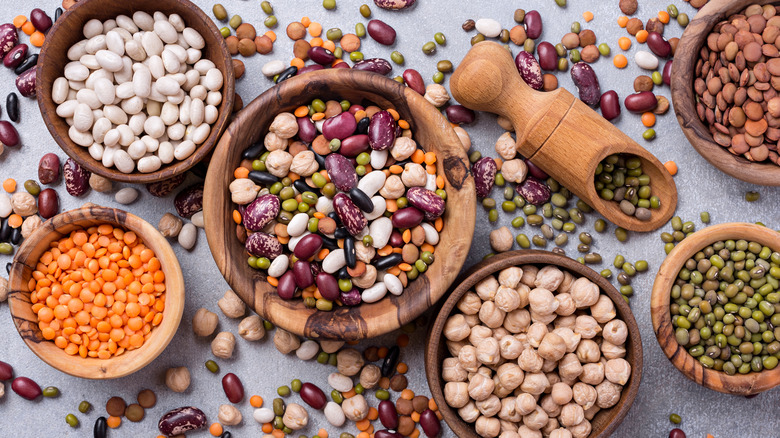
We do love a bean, and while there's a world of difference between a lima bean and edamame, they and other members of the legume family are both delicious and good sources of non-heme iron. Lima beans offer the most, with 4.9 milligrams per cup, but hyacinth, adzuki, white, and pinto beans are all good too. Likewise, chickpeas, green peas, and cowpeas also help hike your non-heme iron levels, while also giving your body a tasty, plant-based protein boost.
Fortified or enriched foods
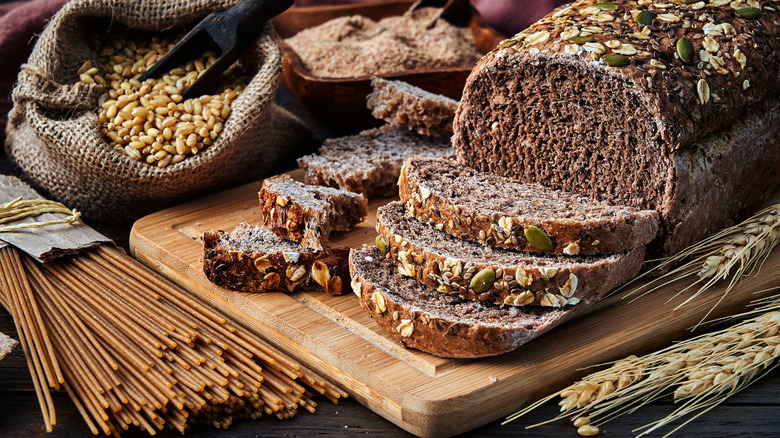
If you love a bowl of breakfast cereal, the fortified kind will give you a solid helping of non-heme iron whenever you enjoy it. The whole grain kind is the best, at over 16 milligrams per half-cup, while a three-quarter cup of fortified bran flakes offers just over half that amount. Fortified or enriched bread and pasta are also a good source of non-heme iron. If you buy the whole wheat or whole grain options, you'll get all the fiber benefits too.
Vegetables
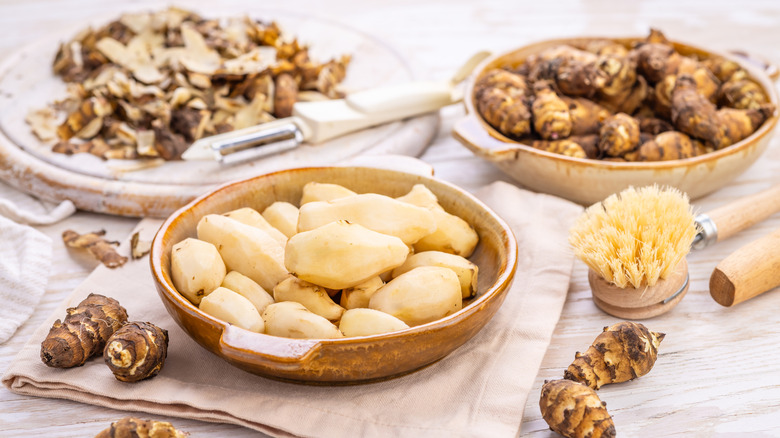
The veggies growing in your garden aren't just a tasty side for other heme iron-rich foods, they can be a wonderful source of non-heme iron. The cream of the crop is cooked Jerusalem artichoke at 5.1 milligrams per cup, but asparagus, mushrooms, acorn squash, and potatoes will all help nudge your iron levels in the right direction. Don't sleep on canned, stewed tomatoes, either. They're also packed with vitamin C, helping us absorb that non-heme iron.
Fruit
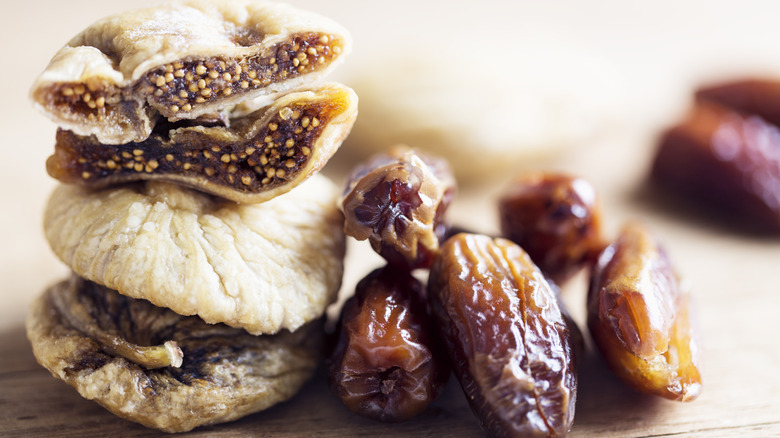
Citrus fruit is loaded with vitamin C, which we've already established helps our bodies take in more non-heme iron. While there aren't many fresh fruits that bring it in the iron department, there are a few worth swallowing down. Dried raisins, figs, and dates are all good sources, alongside prunes and prune juice — a cup of which has 3 milligrams of non-heme iron, and it will also keep your digestive system in tip-top condition!