

Planting These Next To Your Lettuce Will Help Them Grow Bigger Than Ever
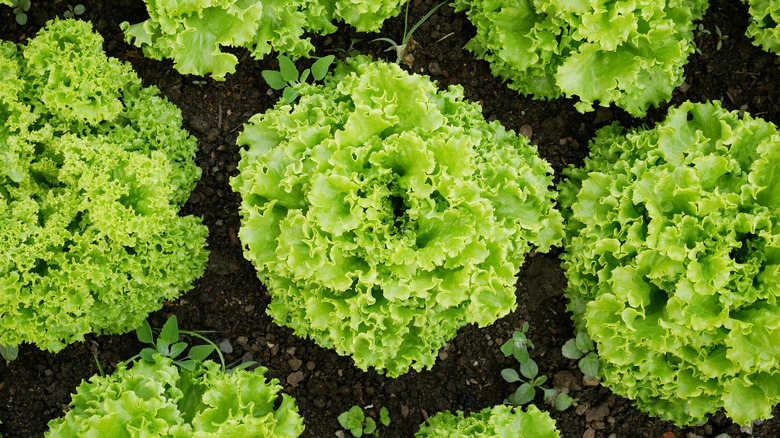
Lettuce is arguably one of the best veggies to grow for near-instant gratification in gardening terms. There are hundreds of varieties to choose from; in many cases it takes just a few days for the seeds to sprout; and they can be ready for your salad bowl in 30 to 70 days. Lettuce will grow happily indoors or outdoors and, like some other veggies, doesn't mind being in shade, as long as it's in well-drained soil that can hold its water. Use the right fertilizer and you'll reap a bumper crop of crisp, tasty leaves, but plant the right neighbors alongside your lettuce and they could grow bigger than ever.
However, there are a few species you should avoid planting near lettuce at all costs. The cabbage family, which includes kale and broccoli, not only gobbles up nutrients, but will also hinder lettuce seeds' germination. Likewise, fennel has allelopathic chemicals that are renowned for stunting other plants' growth. Happily, there is a laundry list of vegetables, herbs, and fruits that make ideal companion plants for lettuce throughout the growing season. Pop them cheek by jowl with your chosen varieties and they'll help produce oodles of big, beautiful lettuces.
Calendula
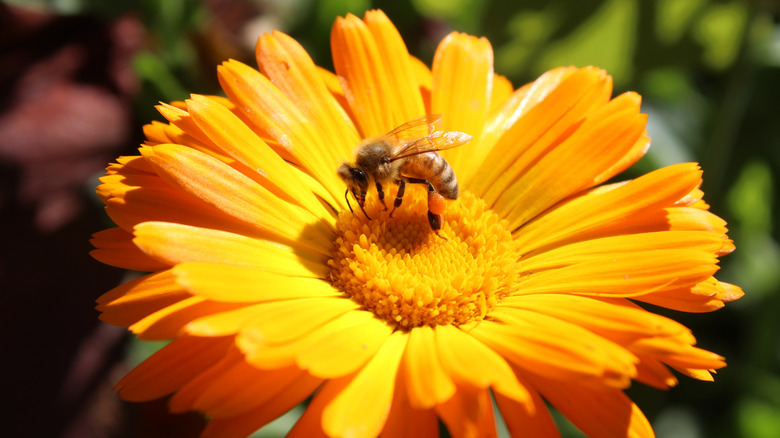
Part of the aster family, just like lettuce, calendula flowers are a brilliant companion plant for the salad vegetable. They also act as a trap crop for slugs and lure aphids away from your lettuces, allowing them to grow and thrive as the pesky bugs are snapped up by other insects. Other asters, including marigolds and chamomile, will also do the same job, as well as making your garden look and smell lovely.
Root crops
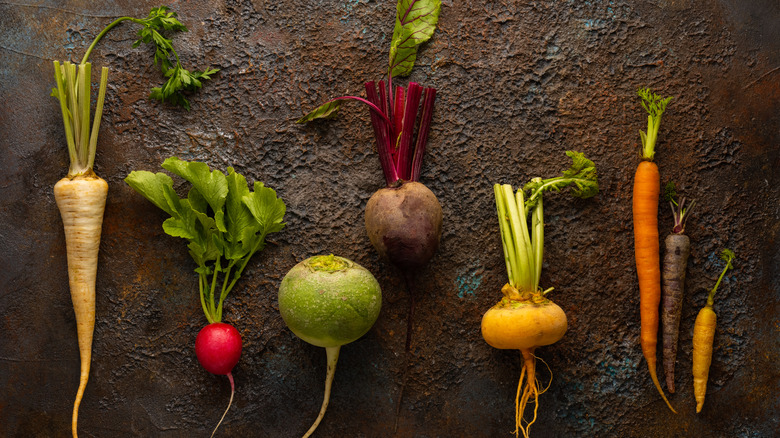
Looking for veggies that won't compete with lettuce for the resources in your garden? Carrots, beets, and radishes are your bag. As well as offering some shade with their leaves, root crops help break up the soil, improving access to nutrients. Carrots in particular are a big lure for insects such as lacewings and ladybugs, both of which will feast on any aphids lurking around your lettuce bed, leaving your salad veggies to grow and grow.
Herbs
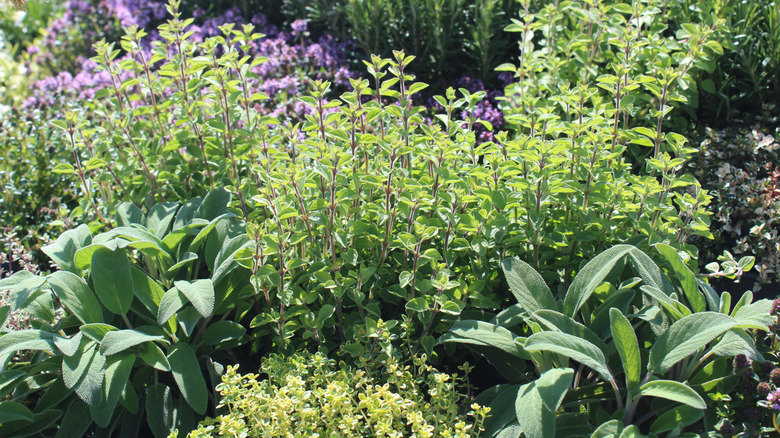
There are lots of herbs that will allow your lettuce plants to thrive. Members of the mint family, like sage, oregano, hyssop, and chervil, will prevent slugs from decimating your lettuces. Dill attracts beneficial insects that keep aphids at bay, and while basil is a great companion plant for tomatoes, some gardeners claim the aromatic herb also enhances the flavor of lettuce.
Alliums
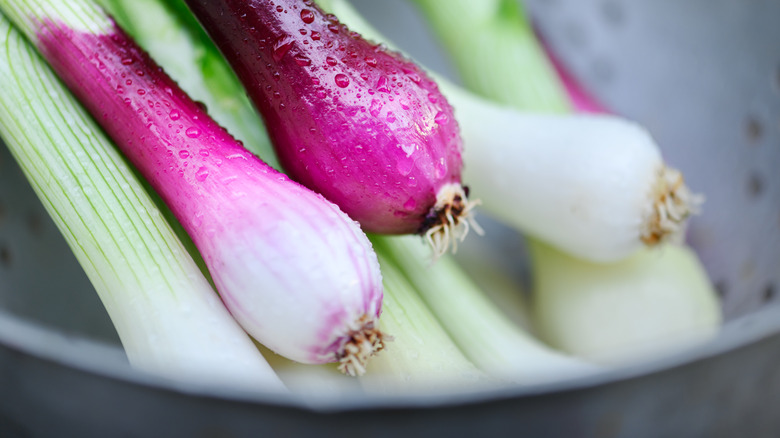
Onions, leeks, shallots, and chives aren't just great ways to add flavor to a vast array of dishes. It turns out that the allium tribe of plants can also help your lettuces achieve their full potential. All of them are excellent deterrents for aphids, but onions and shallots will also help repel rabbits from nibbling at your lettuces. Best of all, chives are perennials, so you can plant them once and enjoy them for years.
Nasturtiums
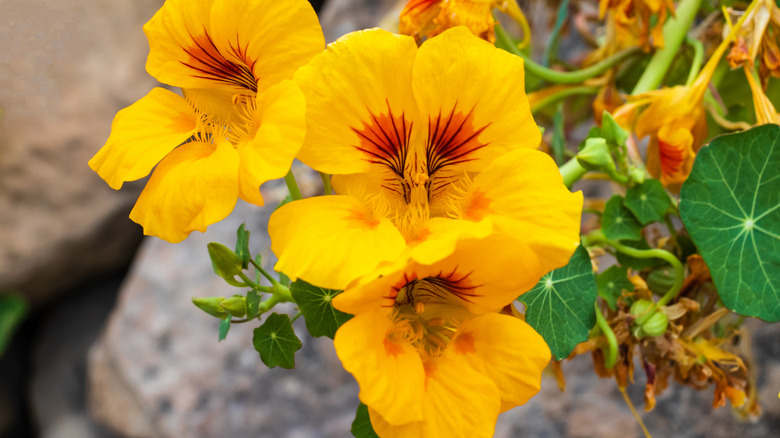
These vibrant plants help peppers grow bigger than ever, and nasturtiums will do much the same for your lettuce plants too. They act as a defensive shield against greedy aphids and beetles that can chomp their way through lettuce leaves before you know it. At the same time, they attract beneficial species, like parasitic wasps, that will also cut down on pests. What's more, you can add nasturtiums to the list of foods you can eat every part of.
Legumes
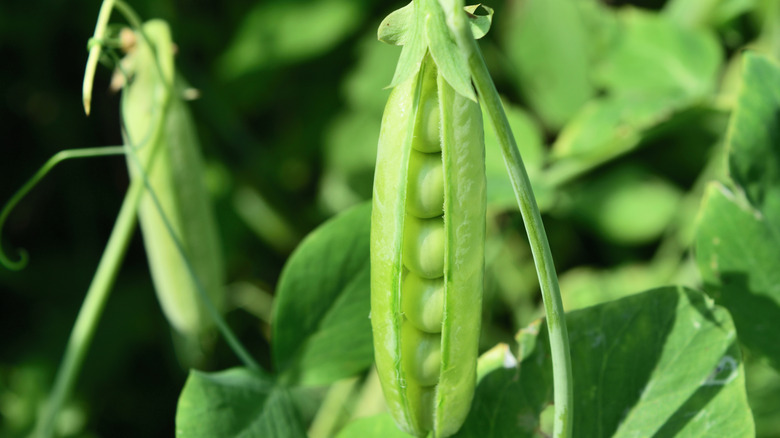
They may be relatively tiny plants compared to some veggies, but peas and beans have a mighty impact on your soil. They are legumes, renowned nitrogen fixers that provide a nutrient lettuces rely on to flourish. Whichever variety of beans you choose to grow, many of them can also be grown up a trellis, providing much-needed shade for lettuces during the warmer months of the growing season.
Strawberries
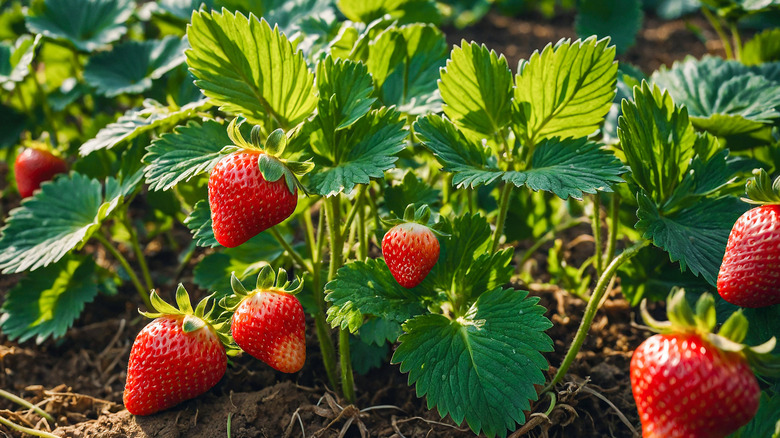
Planting strawberries next to your lettuces might seem a little strange, but this delicious fruit's flowers are great at attracting insects, including predatory mites and parasitic wasps, both of which feed on aphids and other bugs that target lettuces. There's also evidence that organically grown strawberries can improve the soil quality, benefiting your lettuce and everything else in your veggie garden.