

If You Want Your Homegrown Veggies To Flourish, Don't Plant Them In These Areas
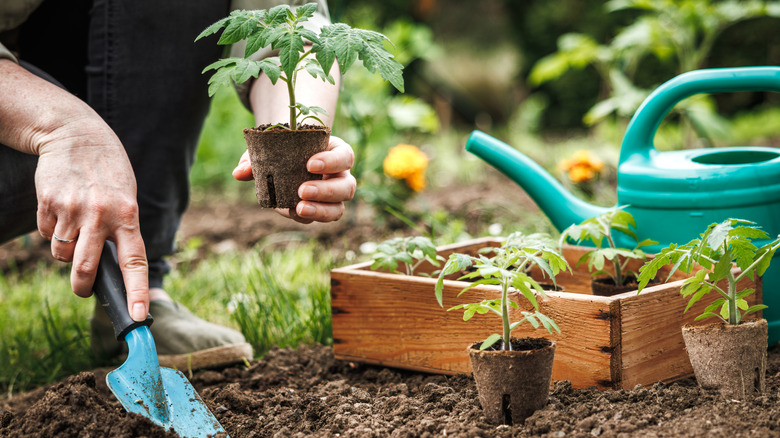
The joy of picking your way through a vegetable plot bursting with produce you've grown yourself is probably only bettered by eating them. But getting to that stage can be a journey littered with pitfalls; from relying on this unnecessary technique for tomatoes, to being slow off the mark getting your radishes in the ground. In fact, we can make the biggest mistake of all before we've even ripped open a packet of seeds: Locating our veggie garden in the wrong place.
Of course not all home cooks have enough room to pick or choose where they put down their green-fingered roots. Although there are some great planters for just such situations, not every spot in your yard or patio will allow your vegetables to thrive. Some issues are innocuous, like how much sun exposure the plot would get, while others, such as potential soil pollution, are more concerning. We've taken a look at some of the most common barriers to achieving a flourishing vegetable garden, and the solutions that can help you overcome them to make your growing vision a reality.
Against south or west-facing walls or fences
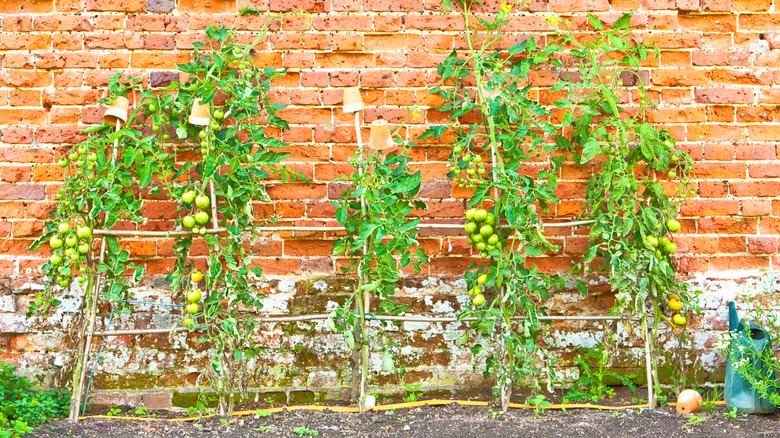
Some walls and fences get really hot during a sunny day. Structures facing south and west can release that heat, creating a microclimate that is 10 to 15 degrees Fahrenheit warmer than the rest of the garden. Veggies growing close by, especially those preferring cooler conditions, can be severely impacted, either through accelerated growth or increased pest activity. If you can, plant your veggies further away from south and west-facing walls or fences, or use heat-tolerant species as protective buffers.
Next to treated wooden structures
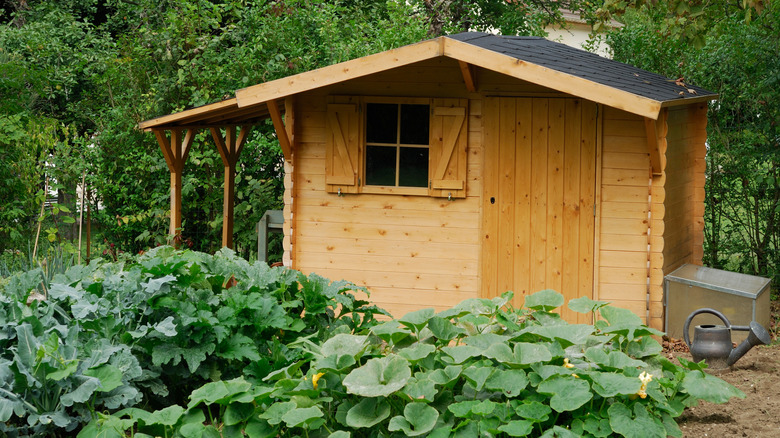
Wooden edging, trellises, and sheds look lovely, but redwood and cedar products can be problematic for your vegetables. Copper from treated timber can leach into the soil and hit levels that are bad for plants in as little as five years. Likewise, antifungal compounds in cedar and redwood called thujaplicins can reduce the production of beneficial fungus in soil. To avoid this, only use food-safe woods or if you can't get rid of yours, line it with food-grade plastic and leave at least 12 inches between the plants and the wood.
Under large bushes or trees
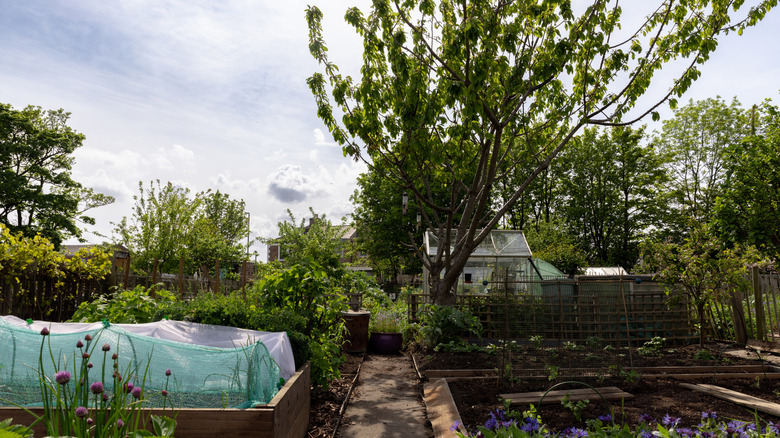
This can be a tricky problem if the trees or bushes in question aren't yours and space in the garden is at a premium. Planting veggies beneath a spreading canopy might sound romantic, but the lack of sunlight could hinder their growth, while the trees and bushes will dominate the supply of nutrients, no matter how often you feed and water. If you can't prune the bigger species back, try growing your vegetables in this popular mobile planter instead.
In low sunlight
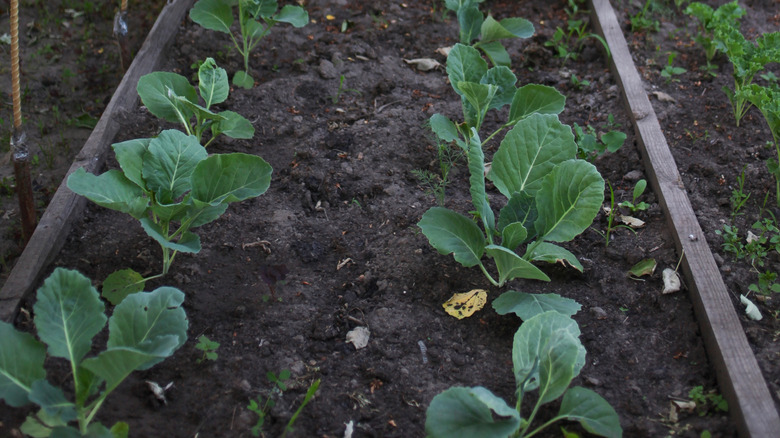
Many species need a solid 6 to 8 hours of full sun exposure to grow successfully, but gardeners living in zones that get a lot less face an uphill task when it comes finding the right spot to plant their crops. All is not lost, however, because there are many veggies that will do very nicely in the shade, including some that might surprise you. Alternatively, container growing saves loads of space and you can move them to sunnier parts of your plot, making them a practical alternative.
In waterlogged land
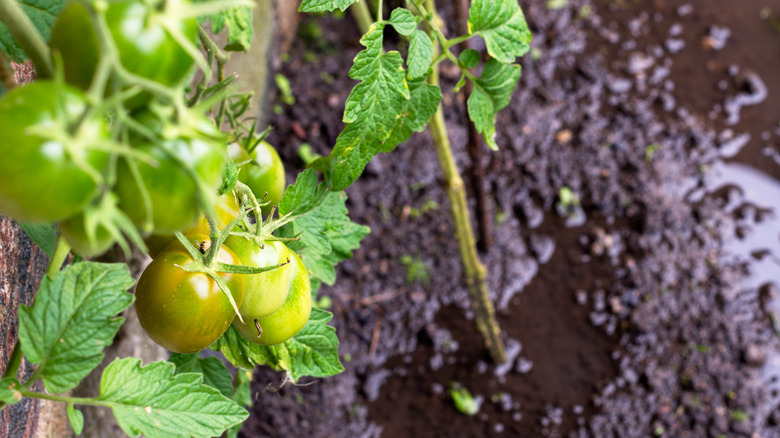
We know a little water stress will give your tomatoes a flavor boost but too much hydration can spell curtains for your veggies. Soil that is often or regularly waterlogged can lead to rotted roots or an overabundance of disease, both of which will result in a miserable harvest. Wandering back and forth over wet ground also compacts it, preventing nutrients and air from entering the soil and surviving roots from growing. If you can't find or fix the reason for the excess water, conditioning the soil with organic matter can help improve matters.
Near the walnut family of trees
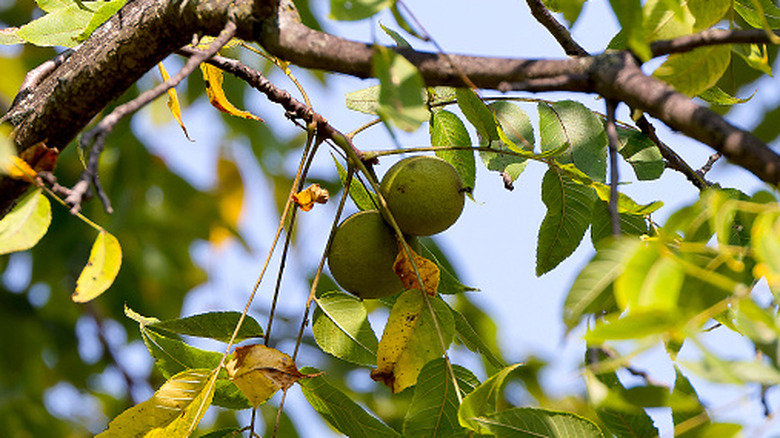
Species that belong to or are near-relatives of the Juglandaceae group of trees include butternut, pecans, and hickory, but the one that causes the most problems for veggie gardeners is the black walnut. They generate a chemical called juglone, causing a reaction called allelopathy which can hinder growth, particularly among nightshades like tomatoes. Try to locate your veggie patch at least 20 meters from any black walnut trees, or favor plants like beans, carrots, and corn, which are juglone tolerant.
On sloping land
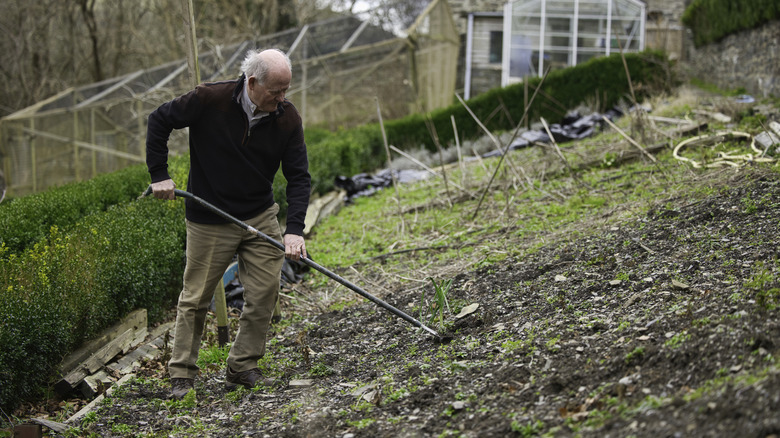
Planting a veggie garden in ground that has a slight slope is nothing that a couple of hours with a rake can't solve, leaving you free to try this hack that eliminates planting guesswork. But if your plot has a more pronounced incline, using it to grow vegetables could do more harm than give you a sore back. Gravity could eventually take its toll, shifting soil and plants to one end or section of the bed and potentially leading to the more serious issue of soil erosion. If you don't have the wherewithal to create a terrace, raised beds or containers are a good workaround.
Next to busy roads
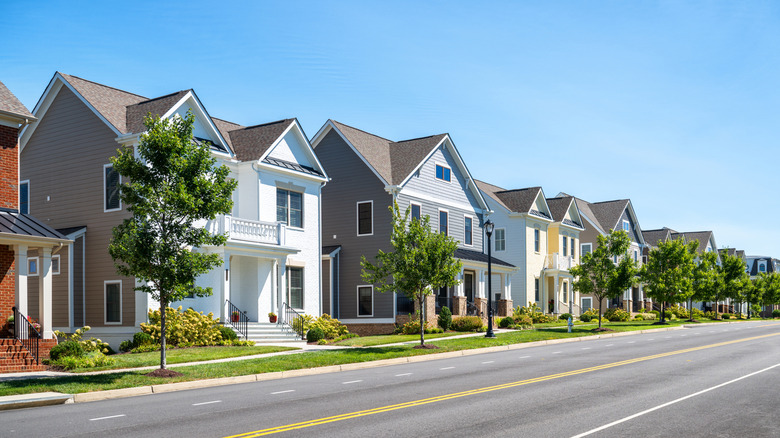
Millions of home cooks live in the 'burbs and dream of filling a bare patch of garden with thriving vegetables. But if your plot sits close to a road or driveway, you may want to think twice. Apart from the risk of plants being doused with salt splash in the winter or dirty rainwater, there's the year-round problem of CO₂, not to mention non-exhaust emissions, including heavy metals, present in road dust. One solution is to locate your garden at least several feet away from the road, or you can build or plant a protective screen.
On septic systems and leach fields
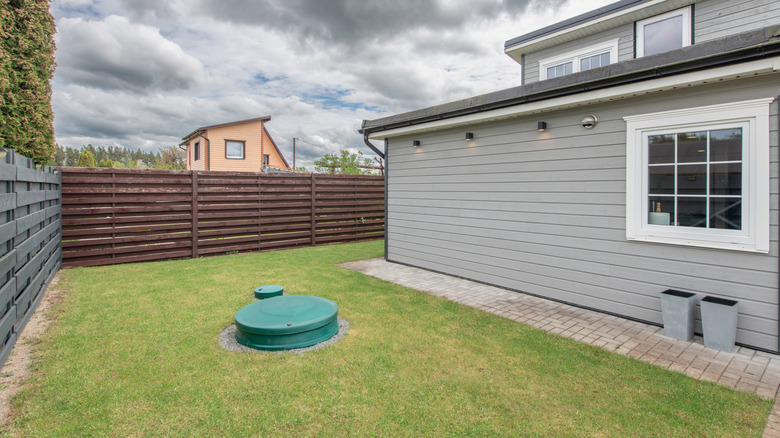
Around a quarter of American homes have septic systems to deal with their waste, and the designated patch of land around them is known as a leach, drain, or absorption field. Its purpose is to naturally deal with the contaminants from the septic tank. The EPA recommends never planting on leach fields, due to the risks of contaminated vegetables or potential damage to the septic system from long roots. If you have the space, locate your vegetable garden at least 10 feet from the leach field. If not, raised beds or containers are a safer option.
Under downspouts or close to an older house
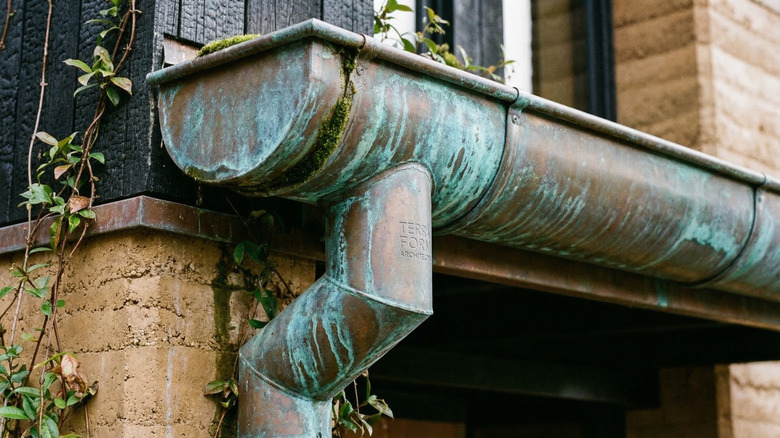
It can be tempting to locate your veggie garden literally on the doorstep, but don't give in to it, especially if the property is older. Before the 1978 ban, lead was used in house paint and it contaminates run-off water to this day. Downspouts positioned over a garden can also be disastrous for the soil, as water from them hits hard, washing away seeds, plants, and nutrients, and tainting the ground with E. coli from bird droppings. Locate your veggie garden at least 15 feet away from any property, and invest in rain barrels with first-flush diverters for watering.
In soil that hasn't been tested for contaminants
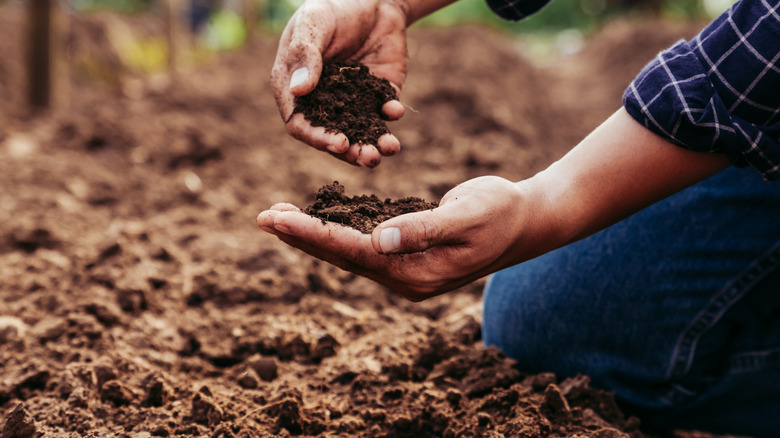
The EPA's 2024 decision to lower the lead screening level from 400 parts per million to 200 left an estimated 29 million American households with badly contaminated soil. Levels of lead or other chemicals that could be lurking in the ground vary from state to state, and it's always wise to test the soil, especially if you're not sure of any industrial activity in your area or previous buildings on the land, before planting any vegetables. Container planting can come to your kitchen garden rescue in the meantime.
In windy areas
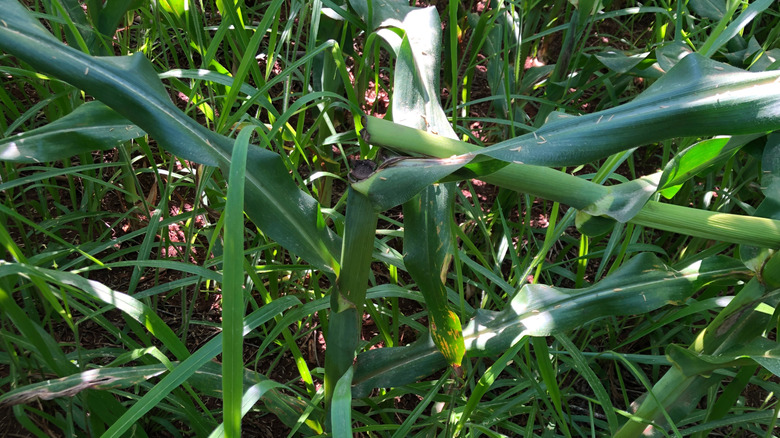
Nature is unpredictable at the best of times but if you live somewhere that is prone to high winds, it's going to affect your veggie planting choices. Taller plants like corn could be at risk of being broken by strong winds, and although trellises can be great for tomatoes or beans, they may be vulnerable to toppling over in persistently windy conditions. Erecting a fence to act as a wind break can help protect your veggies from damage, or you could try your hand at a dead hedge — weaving stems, branches, and twigs back and forth between poles or stakes to create a natural barrier.
On hard surfaces
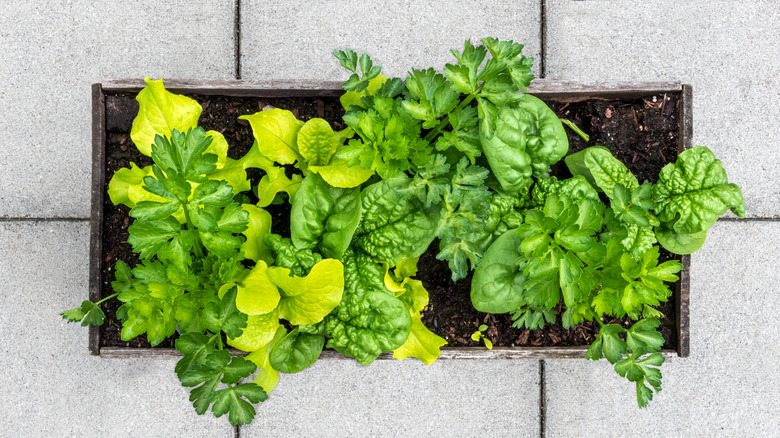
If there's not a square inch of soil-based garden to plant your veggies in, but you do have a patio or hard surface, you might think, "Let's do the show right here!" Before splashing out on a best-selling planter like this, we'd advise against placing open-bottomed beds onto paved or concreted surfaces. It can stunt your veggies' roots affecting their growth, while watering on an unsealed wooden deck could lead to rot. If this is your only option, make sure your container is deep enough to accommodate your veggies, and seal your deck's planks before planting!